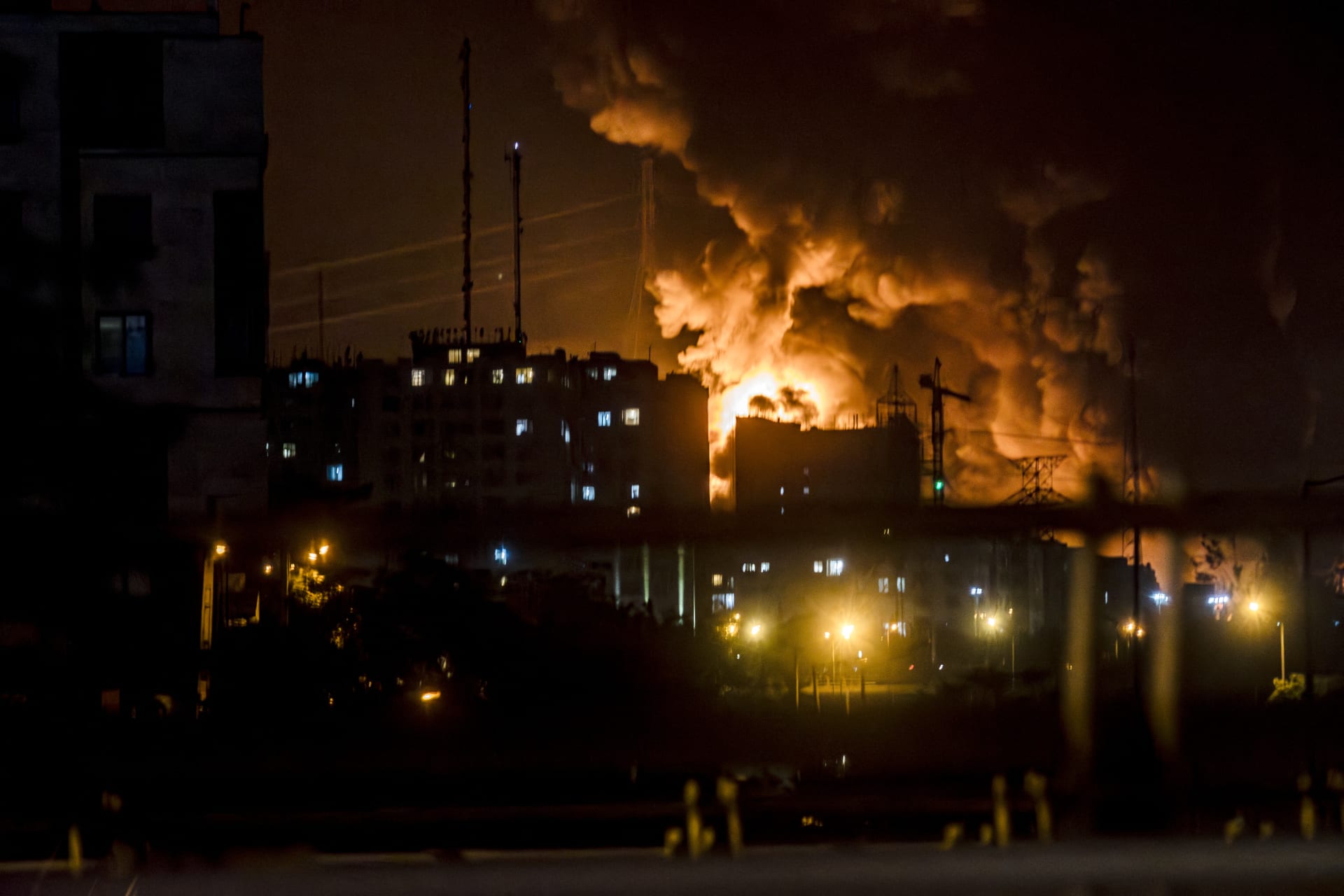
The Iranian Health Minister reported on Monday that the joint airstrikes carried out by the United States and Israel have resulted in the deaths of 210 children and injuries to at least 1510 others. This announcement comes at a time when Iran is suffering from heightened military tensions with Tel Aviv and Washington, raising international concerns.
In the same context, the Minister revealed that around 300 health centers have been affected due to these attacks, warning that conditions could deteriorate further if the assaults do not cease. These painful statistics reflect the impact of armed conflicts on the most vulnerable segments of society, particularly children, who are the future and backbone of the country.
The historical context dates back several years, where tensions between Iran and the United States have escalated significantly. After the Islamic Revolution in 1979, Iran became a target for many military and political operations aimed at its regime. As tensions rise between Iran and Israel, particularly following numerous bombings and military clashes, these statistics represent a dangerous indicator of the humanitarian impact of conflicts, particularly concerning children.
The international community views the exacerbation of these conditions with concern, as the number of civilian casualties rises daily, destabilizing the region and prompting urgent diplomatic actions. The continuation of the attacks could lead to worsening humanitarian crises in Iran and increase the suffering of the Iranian people, who are already grappling with severe economic sanctions and internal crises.
It is worth noting that events in the Middle East do not occur in a vacuum, as the situation in Iran is interconnected with what is happening in many Arab countries. The military escalation in Iran complicates efforts to achieve regional stability and could lead to similar escalations in neighboring countries like Iraq and Syria, which are already facing regional interventions and dire humanitarian situations.
Therefore, these statistics are not just numbers, but a narrative of human suffering added to a long list of conflicts witnessed in the Middle East, necessitating a global response to put an end to these assaults. The innocent children who have lost their lives or sustained injuries are victims of wars they have no connection to.
In conclusion, the international community must recognize the magnitude of these tragedies and intervene immediately to protect civilians, especially children, from the ravages of war. Only through dialogue and cooperation can a safe environment be created to avoid such humanitarian disasters.