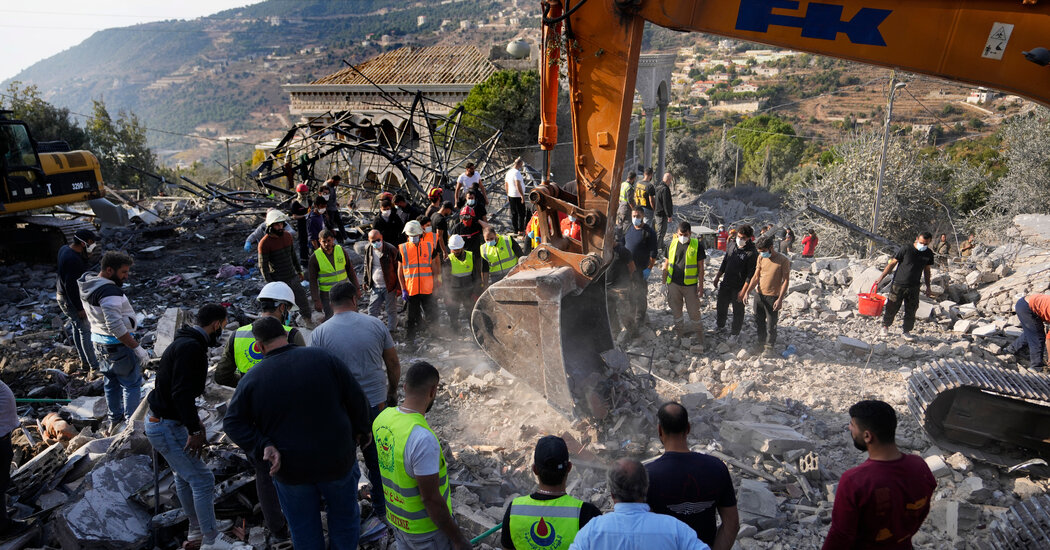
The Lebanese Minister of Agriculture recently revealed that Israeli aggression has led to damage affecting around 22.5% of agricultural land in Lebanon. These figures reflect the magnitude of the disaster faced by farmers in the country, as economic and environmental conditions worsen amid the ongoing conflict.
These statements come at a time when Lebanon is grappling with a severe economic crisis, with living conditions deteriorating significantly. The minister noted that the damages include agricultural crops and infrastructure, exacerbating the suffering of farmers who rely on this sector as their primary source of income.
Details of the Incident
According to reports, Israeli aggression has directly impacted numerous agricultural regions, resulting in the destruction of crops and the displacement of farmers. The minister pointed out that the damages are not only material but also include psychological effects on farmers and their families.
He also clarified that the Lebanese government is working to assess the damages accurately and will seek to provide the necessary support to affected farmers. This support may include financial aid and the rehabilitation of damaged agricultural lands.
Background & Context
Lebanon, which is suffering from multiple crises, faces significant challenges in its agricultural sector. Historically, this sector has been one of the main pillars of the Lebanese economy, but it has come under increasing pressure due to ongoing conflicts.
Israeli aggression against Lebanon is not new, as the country has witnessed several wars and conflicts that have led to the destruction of agricultural infrastructure. With these attacks continuing, concerns are growing about the future of agriculture in Lebanon and its impact on food security.
Impact & Consequences
The repercussions of Israeli aggression extend beyond material damages, directly affecting food security in Lebanon. With a significant portion of agricultural land damaged, Lebanon faces the risk of food shortages, which could lead to rising prices and increased poverty.
These conditions may also exacerbate humanitarian crises in the country, as many suffer from shortages of essential goods. The Lebanese government is urged to take urgent action to alleviate these crises.
Regional Significance
The situation in Lebanon mirrors the challenges faced by many other Arab countries. Ongoing conflicts in the region affect economic and social stability, increasing the suffering of populations.
The damage to the agricultural sector in Lebanon could have negative repercussions for neighboring countries, as many of these nations rely on Lebanese agricultural products. Therefore, the current situation requires regional cooperation to address shared challenges.
In light of these difficult circumstances, hope remains pinned on the ability of the Lebanese government and the international community to provide the necessary support to affected farmers and work towards rebuilding the agricultural sector, which is fundamental to Lebanon's stability.