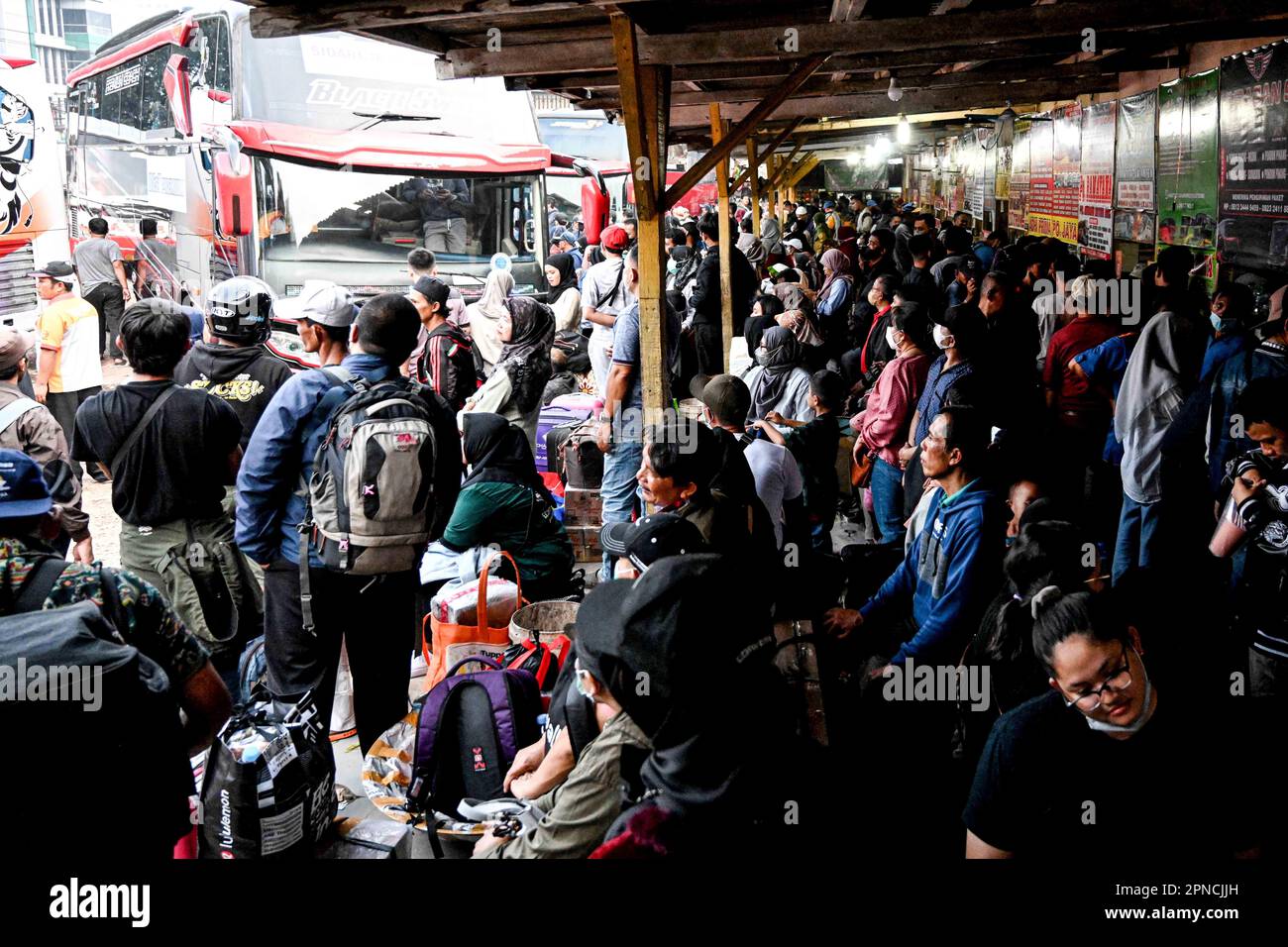
The Indonesian traffic police chief, Irjen Pol Agus Suriyono, announced that approximately 22% of vehicles had not returned to Jakarta by Saturday, indicating ongoing heavy traffic following the Eid al-Adha holiday in 2026. Suriwono explained during his visit to the command center at KM 29 on the Cikampek road that this percentage reflects the increasing traffic congestion on the country's roads.
Suriwono predicted that roads would experience further congestion on Sunday, prompting police to implement precautionary measures, including a one-way traffic system to facilitate vehicle movement. He also noted that the percentage of vehicles not returning from West Java reached approximately 33-35% on Friday, highlighting the challenges authorities face in managing traffic.
Event Details
As part of its efforts to alleviate congestion, the traffic police activated alternative routes, such as Japek II Selatan, which is a strategic option to relieve pressure on main roads. Suriwono confirmed that these measures contributed to improved traffic flow, as vehicles were directed through secondary roads such as Sadang and Setu, allowing for better control of the situation.
The police also confirmed that they would continue to monitor traffic from various regions, including Trans Sumatera, where traffic is being tracked from Bakauheni to Merak and reaching Cikupa in Jakarta. A comprehensive traffic plan has been prepared, which includes implementing a one-way traffic system from KM 390 on the Batang-Kendal road to KM 70 on Cikampek Utama, to address the anticipated congestion.
Background & Context
The Eid al-Adha holiday in Indonesia is one of the largest occasions that sees significant travel, as many citizens strive to return to their villages and cities to spend the holiday with their families. This phenomenon occurs annually, leading to significant pressure on the road and transportation networks. In previous years, Indonesia has also faced similar challenges in managing traffic during holiday periods.
Historically, Indonesia has faced issues with road infrastructure, complicating the situation during peak periods. However, the government is working to improve and expand the road network to meet citizens' needs, but challenges remain.
Impact & Consequences
Heavy traffic impacts the local economy, leading to delays in the delivery of goods and services. Traffic congestion can also result in increased carbon emissions and deteriorating air quality, posing a threat to citizens' health. Therefore, managing traffic during peak periods is vital for maintaining public safety and environmental health.
These challenges require cooperation between local authorities and citizens, as everyone must adhere to traffic laws and participate in congestion mitigation efforts. Additionally, improving public transportation services can be an effective solution to reduce reliance on private vehicles.
Regional Significance
Indonesia's experience in managing traffic during peak periods serves as a lesson that many Arab countries facing similar challenges can benefit from. In some Arab nations, such as Egypt and Lebanon, major cities suffer from severe traffic congestion during holidays and events. Therefore, exchanging experiences between countries can contribute to better traffic management and crisis alleviation.
In conclusion, managing traffic during peak periods represents a significant challenge that requires effective strategies and cooperation among all stakeholders. Improving infrastructure and developing public transportation services can contribute to achieving positive long-term outcomes.