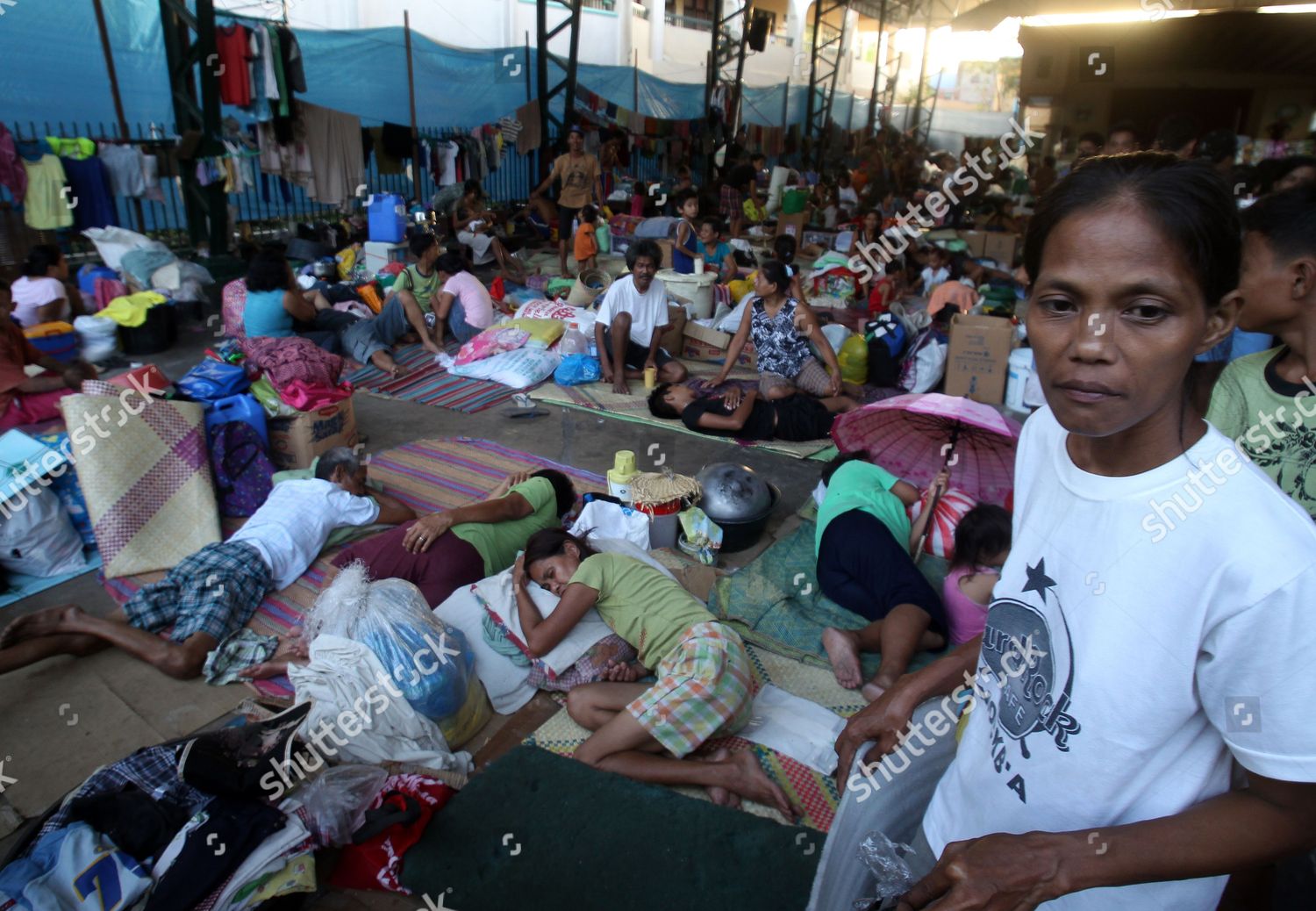
The government of Beka Longan in Central Java has announced that 254 citizens are still in evacuation centers after floods caused by the collapse of the Breem River dam inundated residential areas. Budi Suheriyanto, the head of the city's disaster management agency, stated that conditions in the shelters are under control and that efforts are ongoing to rehabilitate the dam.
Suheriyanto explained that the displaced individuals are distributed across several locations, with the shelter at the Kraton Kidul Hall housing 116 people, the Pasirkratonkeramat Hall shelter accommodating 79 people, the TPQ Madinatul Ulum center hosting 50 people, and 9 individuals in the western Beka Longan area hall.
Details of the Incident
Evacuation operations began on Friday, March 27, after water levels rose in the Pasirsari area, flooding homes. The dam collapse occurred on March 26, with the eastern side of the Breem River dam suffering damage of approximately 15 meters in length, 3 meters in width, and 2 meters in height. Despite favorable weather conditions without rain, the dam's failure led to water flowing into surrounding areas.
The local government is working in collaboration with the military, police, and civil society organizations to provide support to the displaced residents, activating emergency centers and providing essential services such as food and healthcare. Damage assessments from the floods have also been conducted.
Background & Context
Flooding in Indonesia is a recurring phenomenon, as the country is affected by heavy rainfall seasons that typically begin at the end of the year. Many areas in Indonesia, including Central Java, have previously experienced floods that led to the evacuation of thousands of residents. These natural disasters require a swift and effective response from the government and local communities to ensure citizen safety.
Historically, flooding in Indonesia has been linked to climate change and increased human activity, which raises the risks of dam failures. Studies have shown that improving infrastructure and water management can help mitigate the impacts of these disasters.
Impact & Consequences
Flooding significantly affects residents' lives, causing property loss and infrastructure destruction. It also increases pressure on health and social services, necessitating a comprehensive response from the government and civil society. Accurate damage assessments are essential to ensure that necessary aid is provided to those affected.
This incident serves as a reminder of the importance of preparedness for natural disasters, as local governments must enhance their crisis management capabilities and provide the necessary resources to handle such situations.
Regional Significance
Although flooding in Indonesia may seem distant from the Arab region, there are lessons to be learned. Many Arab countries face similar challenges related to natural disasters, such as floods and sandstorms. Strengthening regional cooperation and sharing experiences in disaster management is essential.
Ultimately, there must be an effective international response to assist countries affected by natural disasters, including Indonesia, to ensure citizen safety and improve their living conditions.