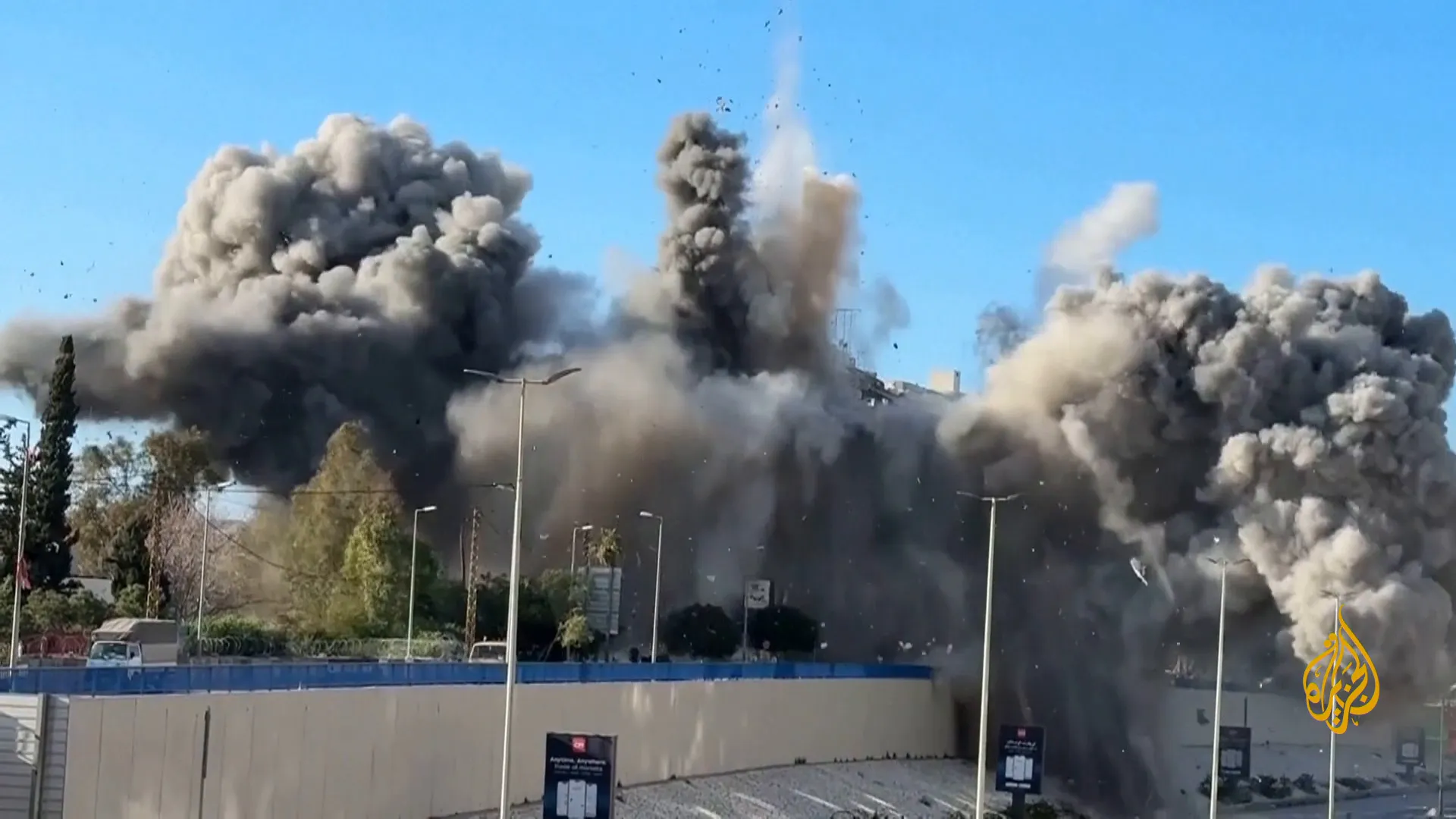
As military escalation in the Middle East enters its fifth week, UN warnings grow regarding severe economic and social repercussions that could undermine the region's development trajectory.
Estimates from the United Nations Development Programme indicate that Middle Eastern economies could lose between 3% and 6% of their gross domestic product, equating to losses ranging from $120 billion to $194 billion. This figure surpasses the total growth achieved during the previous year, reflecting a structural fragility in the region's economies.
Details of the Event
The programme clarified that these estimates reveal weaknesses in economic foundations, where even short-term military escalation can leave broad economic and social impacts that may persist for extended periods. Unemployment rates are expected to rise by approximately 4 percentage points, translating to a loss of around 3.6 million jobs, exceeding the number of jobs added in the previous year.
Moreover, this economic shock could push an additional 4 million people into poverty, amid increasing pressures on living standards and social stability.
Background & Context
The economic impacts are unevenly distributed among the countries in the region, with Gulf states and the Arab Mashreq expected to be the most affected. Estimates suggest that GDP losses in Gulf countries could range from 2.5% to 8.5%, while in the Mashreq countries, losses could range from 2.5% to 7.8%. This is attributed to a heavy reliance on trade and fluctuations in energy markets.
The programme based its assessment on a model simulating the effects of a conflict lasting 4 weeks, through channels including rising trade costs, declining productivity, and losses affecting capital.
Impact & Consequences
In terms of poverty, the Mashreq countries are at the forefront, with expectations of poverty rates rising by approximately 5%, meaning that around 3.3 million additional people will fall below the poverty line, accounting for more than 75% of the total increase in the region. In North Africa, the impacts appear less severe, with expectations of slight growth not exceeding 0.4%, although this does not negate the ongoing economic pressures.
As the crisis continues, the region faces a challenging test in containing these economic and social repercussions while maintaining a degree of stability amid a volatile regional landscape.
Regional Significance
These challenges require a swift and effective response from Arab governments to ensure market stability and improve living conditions for citizens. The international community must also play an active role in supporting sustainable development efforts in the region.
In conclusion, these figures serve as a clear warning of the risks the region may face should military escalation persist, necessitating urgent action to maintain economic and social stability.