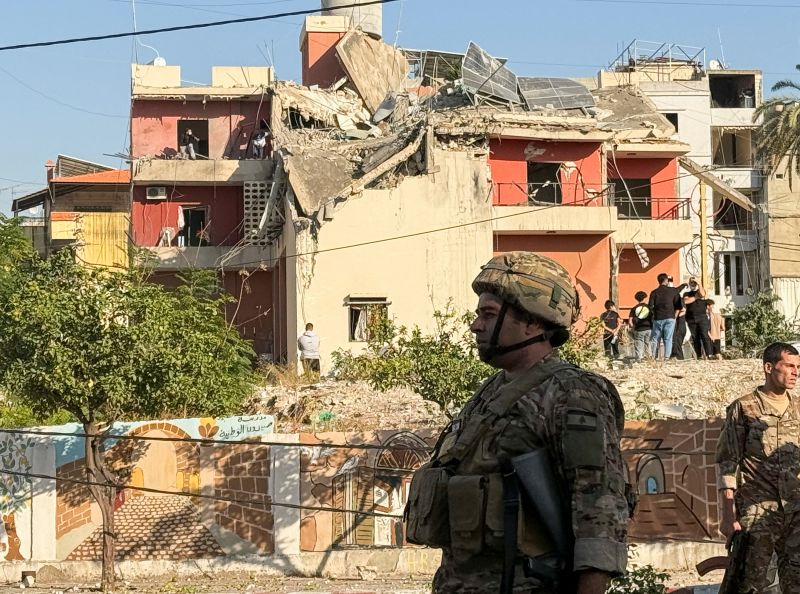
Israeli military sources report that 309 officers and soldiers have been injured in military confrontations in southern Lebanon. These events come amid escalating tensions in the region, where clashes between Israeli forces and Hezbollah are increasing.
These injuries are among the highest sustained by the Israeli military in military confrontations in a long time, raising questions about the Israeli military strategy in the region. Additionally, these events occur at a sensitive time as the Israeli army seeks to bolster its presence in border areas with Lebanon.
Details of the Incident
Clashes continue in southern Lebanon, with reports of fierce confrontations between Israeli forces and Hezbollah fighters. Both sides have used heavy weaponry, resulting in injuries among Israeli troops. These battles are part of a broader escalation in tensions between the two sides, each seeking to achieve its strategic objectives.
These clashes follow a series of tense events, including mutual attacks and artillery shelling. Reports indicate that Hezbollah has increased its military activity in the region, prompting the Israeli army to take precautionary measures to enhance its defenses.
Background & Context
Historically, the Lebanese-Israeli border has experienced ongoing tensions, with several wars and conflicts between the two sides. Since the withdrawal of the Israeli army from Lebanon in 2000, Hezbollah has continued to enhance its military capabilities, leading to increased tensions in the region.
These clashes are part of the wider conflict in the Middle East, where regional and international interests intersect. Events in Lebanon have impacted relations between Arab countries and Israel, complicating the political landscape in the region.
Impact & Consequences
These clashes could lead to a greater escalation in the conflict, threatening security and stability in the region. The significant injuries among Israeli forces may affect troop morale, potentially prompting the Israeli government to reassess its military strategy.
Moreover, these events could increase tensions between Israel and other Arab countries, as they may be used as a pretext to justify further military actions. International reactions may also play a role in how events unfold in the coming days.
Regional Significance
These events are particularly significant for Arab countries, reflecting the ongoing tensions in the region. Clashes in southern Lebanon could have negative implications for regional security, necessitating clear stances from Arab nations regarding these developments.
Furthermore, military escalation may impact peace efforts in the region, as the international community seeks to find lasting solutions to conflicts. It is crucial for Arab countries to closely monitor these events and be prepared to address any repercussions that may arise.
In conclusion, the situation in southern Lebanon remains under scrutiny, with growing concerns about a larger escalation in the conflict. It is essential for all parties involved to work towards avoiding further escalation and to seek peaceful solutions that enhance security and stability in the region.