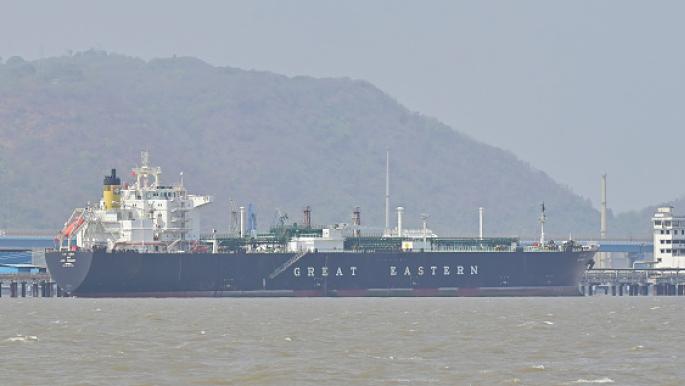
Around 36 countries gathered today in a diplomatic meeting aimed at reopening the Strait of Hormuz, which is considered one of the most important waterways in the world. This meeting comes at a time when the region is witnessing escalating tensions and conflicts, negatively impacting navigation and international trade.
The participating countries seek to exert diplomatic and political pressure on the parties involved in the conflict, aiming to restore security and stability in this strategic area. The Strait of Hormuz is a vital transit point for approximately 20% of the world's total oil, making any disruption in navigation there significantly affect global markets.
Event Details
The agenda of the meeting includes discussions on ways to enhance cooperation among the participating countries and to exchange information regarding the security threats facing navigation in the strait. Plans to ensure the safety of commercial vessels will also be reviewed, alongside activating joint mechanisms to monitor navigation.
This meeting occurs at a sensitive time, as fears of escalating conflicts in the region are increasing, which could exacerbate security conditions. It is expected that countries from various continents will participate in the meeting, reflecting the international importance of the issue.
Background & Context
The Strait of Hormuz is a narrow waterway connecting the Arabian Gulf with the Sea of Oman, and it is considered a vital crossing point for oil and natural gas. In recent years, the strait has witnessed numerous security incidents, including attacks on oil tankers, leading to heightened tensions among competing nations in the region.
Historically, there have been multiple attempts to find diplomatic solutions to crises in the area, but these have often failed due to the complexities of political and military conflicts. Nevertheless, the current meeting represents a new opportunity for the concerned countries to reach common understandings.
Impact & Consequences
If the meeting succeeds in achieving its objectives, it could lead to the restoration of navigation in the Strait of Hormuz, contributing to the stabilization of oil prices in global markets. Additionally, reopening the strait would help enhance economic cooperation among the participating countries and bolster regional security.
On the other hand, if tensions persist and no agreement is reached, security conditions may worsen, leading to further disruptions in global markets and escalating conflicts in the region.
Regional Significance
The Arab countries bordering the Arabian Gulf are among the most affected by developments in the Strait of Hormuz. Any disruption in navigation could directly impact the economies of these countries, which heavily rely on oil and gas exports.
Therefore, the success of the meeting in reopening the strait could contribute to enhancing economic stability in the region and promote opportunities for cooperation among Arab countries. Conversely, the continuation of conflicts may exacerbate economic and social conditions in these nations.
The meeting of 36 countries today represents an important step towards achieving stability in the Strait of Hormuz and reflects the importance of international cooperation in addressing security and economic challenges.