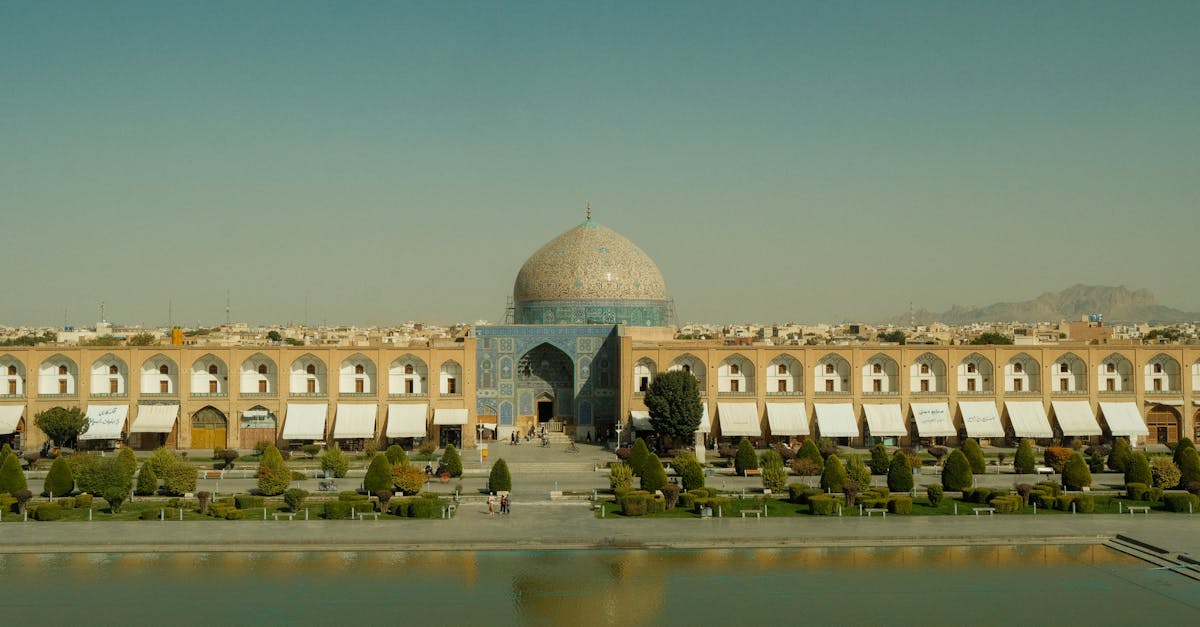
The 40-Day War continues to unfold, showcasing the cultural divide between Iran's ancient civilization, which extends over 4800 years, and the modern culture of the United States, which is less than 250 years old. This war is not merely a military conflict; it embodies a profound cultural and civilizational struggle.
Historically, Iran has always been a cultural and civilizational center in the Middle East, contributing to the development of arts, sciences, and philosophy. In contrast, the United States represents a modern model of Western culture that emphasizes innovation and technology. This disparity in history and culture highlights how each side perceives the world from a different perspective.
Event Details
In recent weeks, the region has witnessed an escalation of tensions between Iran and the United States, with both countries exchanging accusations regarding interference in internal affairs. These events come at a sensitive time, as Iran seeks to enhance its influence in the region while the United States attempts to maintain its strategic interests.
Reports indicate that the current conflict may extend beyond military boundaries to encompass cultural and economic aspects. Iran, with its long history of civilization, aims to reclaim its status as a regional power, while the United States faces challenges in asserting influence over events in the Middle East.
Background & Context
Historically, relations between Iran and the United States have experienced numerous fluctuations, starting with the Islamic Revolution in 1979, which led to the severance of diplomatic ties. Since then, Iran has become a target of U.S. policies in the region, resulting in heightened tensions between the two parties.
In recent years, concerns have grown that the conflict could escalate into direct military confrontation, especially with other regional powers playing a role in this struggle. These dynamics make it difficult to predict the future of relations between Iran and the United States.
Impact & Consequences
The repercussions of this conflict extend beyond Iran and the United States; they also affect neighboring countries. The increasing tensions could destabilize neighboring nations, exacerbating humanitarian and economic crises.
Moreover, the cultural conflict between the two civilizations may lead to deepening divisions within Arab societies, as some embrace Western cultural models while others cling to their Arab and Iranian cultural heritage. This division could create an unstable environment in the region.
Regional Significance
The Arab region is at the heart of the conflict between Iran and the United States, being directly affected by the political and military tensions. Many Arab countries find themselves in a difficult position, striving to maintain good relations with both sides.
This conflict may also lead to changes in regional alliances, as some countries may seek to strengthen their ties with Iran in the face of U.S. influence. These dynamics could reshape the political landscape in the region.
In conclusion, the 40-Day War remains a symbol of the complex cultural and political conflicts in the Middle East. Understanding these historical and cultural dynamics is essential for analyzing current and future events in the region.