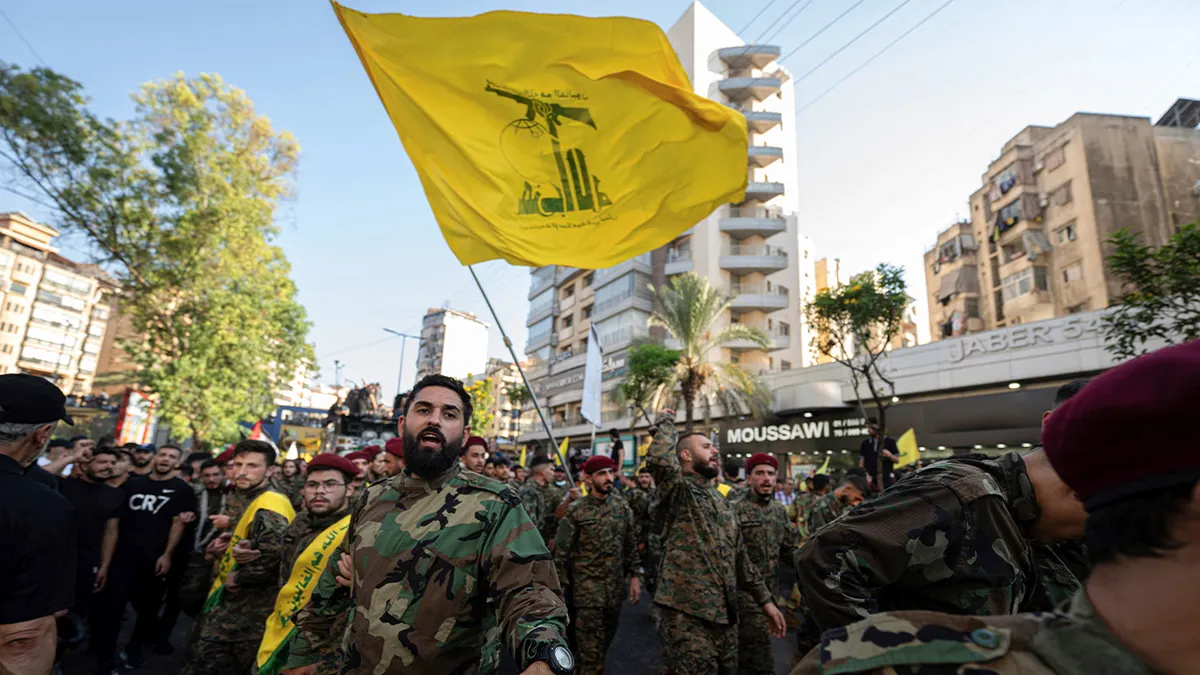
Sources indicate that approximately 400 members of Hezbollah have been killed during recent clashes with Israeli forces. This development comes at a time when tensions between the two sides are escalating, raising fears of a larger conflict in the region.
Violent clashes continue between Hezbollah and Israel, with reports suggesting that these confrontations have resulted in heavy losses for the party, reflecting the challenges it faces in the ongoing conflict. These losses could represent a significant blow to the party's military capabilities, which have long been considered among the most powerful in the region.
Details of the Incident
Information suggests that the recent clashes erupted following a series of mutual attacks between the two sides. Israeli forces targeted Hezbollah positions in Lebanon, prompting a swift reaction from the party, which launched attacks on Israeli sites. These operations resulted in a large number of casualties, raising questions about Hezbollah's military strategy at this stage.
These losses are part of a broader escalation in the Israeli-Lebanese conflict, where tensions have notably increased in recent months. Reports have shown that Hezbollah may be in a defensive position, placing it under significant pressure from the Israeli government, which seeks to assert its power in the region.
Background & Context
The conflict between Hezbollah and Israel dates back decades, with the region witnessing numerous wars and disputes. Hezbollah was established in the 1980s in response to the Israeli occupation of Lebanon, and since then, it has become a key player in the conflict. Over time, the party's military capabilities have evolved significantly, making it a constant threat to Israel.
In recent years, the region has experienced significant geopolitical changes, including regional and international interventions. These changes have contributed to increasing tensions between Hezbollah and Israel, as each side seeks to strengthen its position against the other. As events escalate, it has become clear that the conflict remains far from resolution, heightening fears of greater escalation in the future.
Impact & Consequences
The significant losses within Hezbollah indicate potential negative impacts on its military capabilities, which may lead to changes in its future strategies. Additionally, these events could lead to greater escalation in the conflict, threatening regional stability as a whole.
On the other hand, these developments may affect the relations between Lebanon and Israel, potentially prompting the Lebanese government to adopt more cautious stances in dealing with Hezbollah. International pressures on Lebanon may also increase to seek peaceful solutions, which could impact the internal situation in the country.
Regional Significance
The current events are part of a larger picture of conflicts in the region, where regional and international interests intertwine in complex ways. The escalation of tensions between Hezbollah and Israel could affect neighboring countries, increasing the risks of new conflicts erupting.
Moreover, these events could bring renewed attention to the Israeli-Palestinian conflict, potentially leading to increased support for resistance movements in the region. At the same time, these developments may exacerbate humanitarian crises in Lebanon, necessitating urgent international response.
In conclusion, events in the region remain under scrutiny, with observers expecting tensions to continue escalating, threatening security and stability in the Middle East.