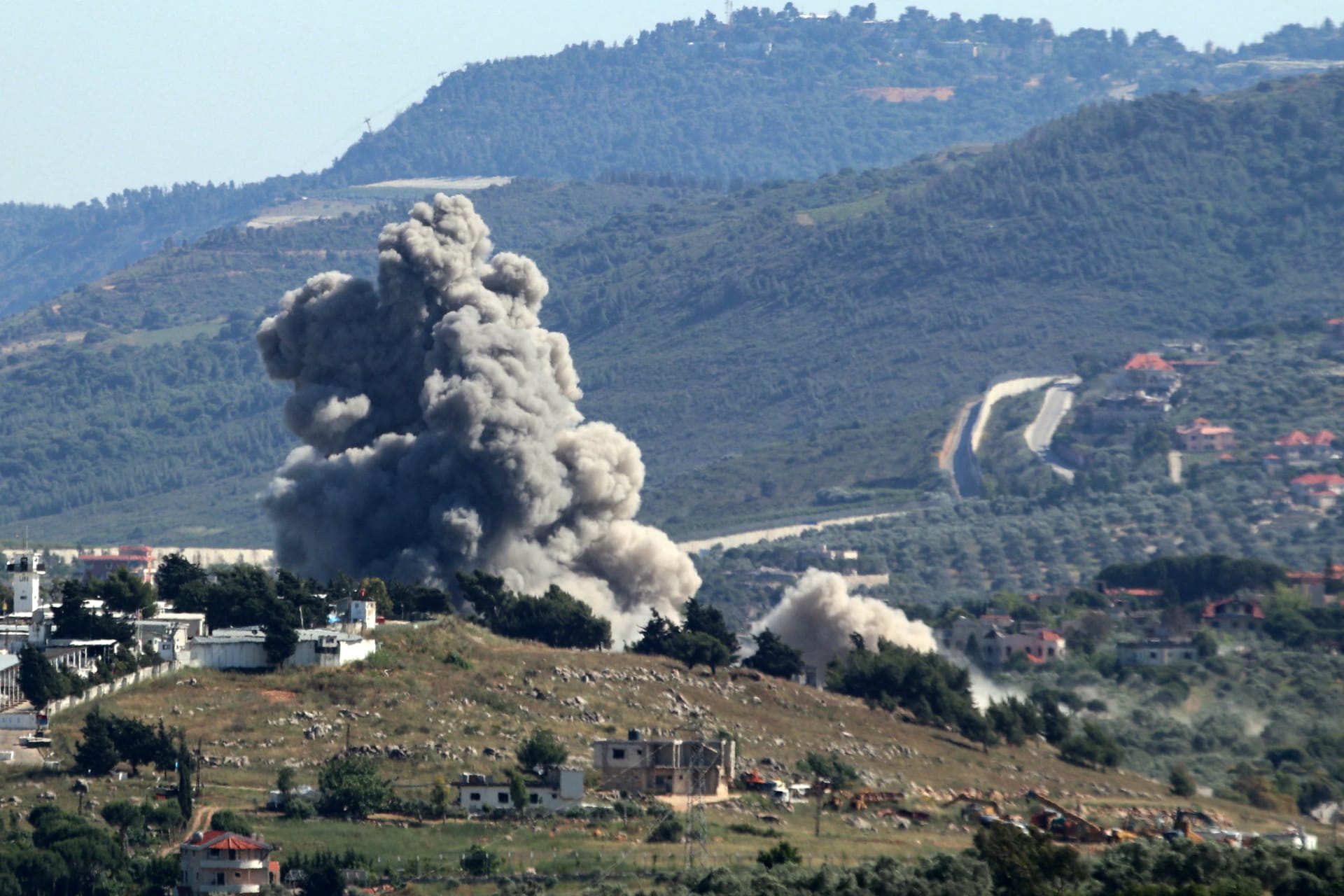
The Israeli Ministry of Health stated in an official announcement that the number of individuals injured in Israel since the escalation of military tensions with Iran and Hezbollah in Lebanon has reached 4,697. Israeli hospitals have been receiving these injured individuals amid heightened events and tensions in the region.
Among the injured, 124 are still receiving treatment in hospitals, with 14 of them in critical health condition. This number reflects the direct impact of the ongoing conflict in the region, as human casualties continue to rise with the escalation of armed clashes and the military's use of weaponry.
This escalation follows days of battles that erupted along the border, where Iranian airstrikes targeted Hezbollah bases and areas adjacent to the Israeli border. This conflict is seen as part of a larger context of regional disputes involving multiple countries in the Middle East, where geopolitical interests overlap and historical tensions persist between political entities.
Over the past decades, Israel has sought to confront the threats posed by Iran and Hezbollah, which are recognized as significant military forces in the region. The complex relationship between Iran and Israel, rooted in decades of conflict, directly influences the security situation in the area. The political disagreements and armed conflicts have exacerbated conditions, leading to increased humanitarian crises and political challenges.
Israeli authorities are concerned about the ongoing escalation, as these events could potentially broaden the conflict to neighboring countries, undermining security and stability in the region. This situation is a major concern for the international community, which aims to prevent any further escalation that might lead to widespread wars.
Civilians in the area are also facing repercussions from these events, experiencing humanitarian crises and resource shortages. Families living along the border with Lebanon are now confronting new life challenges, including internal displacement and economic losses.
The international community is closely monitoring the situation, with the eyes of the United Nations and major powers focused on how to avoid greater escalation that could result in more human casualties.
In the Arab context, this escalation serves as a wake-up call for those who may be affected, as many analysts view the security and military measures from both sides as efforts to strengthen their regional positions. The long-standing tension between Iran and Israel calls for a collective response from Arab nations to protect national interests and promote joint action against interventions that may threaten the national security of states.
It's worth noting that the conflict encompasses not only military dimensions but also economic and political aspects. Financially, countries that are indirectly or directly involved suffer the repercussions of these disputes, which affect the stability of markets and national economies. Political negotiations remain complex, as finding a peaceful solution between the conflicting parties is challenging, given each party's insistence on achieving its strategic objectives.
In conclusion, it appears that the ramifications of the military conflict in the region are not a recent development but rather the outcome of a long history of ongoing disputes. There must be a concerted effort from both international and local entities to prevent the humanitarian crisis from worsening and to halt the cycle of violence that continues to bring more destruction and suffering to the region.