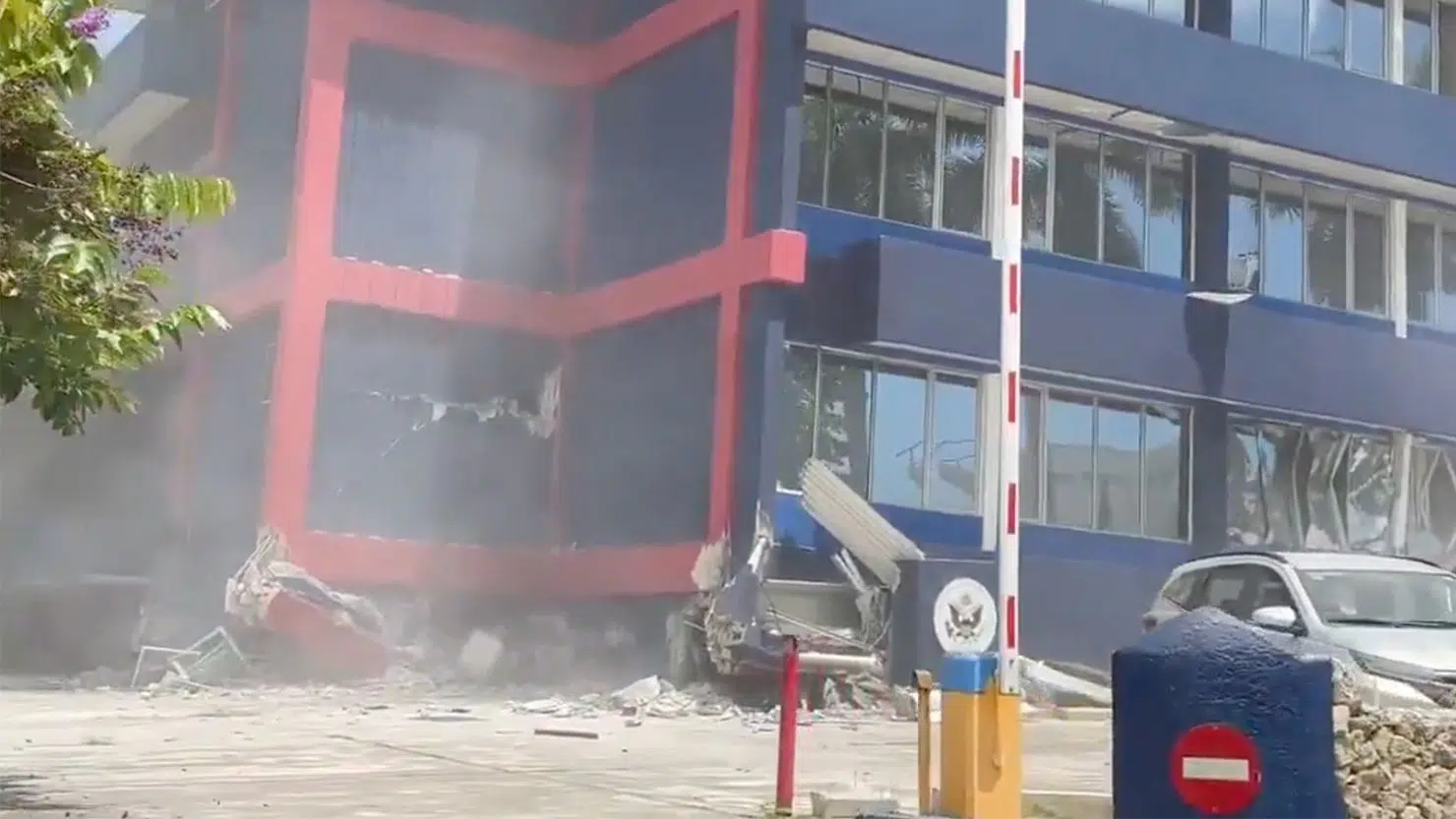
A 5.4 magnitude earthquake hit off the coast of Vanuatu in the Pacific Ocean, causing concern among local residents. The earthquake occurred early this morning, with its epicenter located approximately 50 kilometers from the coast, making its effects felt in nearby areas.
No official reports of material damage or injuries have been received yet, but local authorities are closely monitoring the situation. Earthquakes in this region are not uncommon, as Vanuatu is situated in an area known for high seismic activity.
Details of the Event
According to the regional earthquake center, the earthquake struck at 6:30 AM local time. The depth of the earthquake was determined to be around 10 kilometers, which increases the likelihood of residents feeling it. The earthquake was strong enough to be felt by people on some nearby islands, but no tsunami warnings have been issued.
Vanuatu is considered one of the most earthquake-prone countries in the world, lying on the edge of the Ring of Fire in the Pacific, a region known for seismic and volcanic activity. In recent years, the country has experienced several strong earthquakes, prompting it to adopt strategies to mitigate risks.
Background & Context
Historically, Vanuatu has witnessed numerous devastating earthquakes, with one of the most notable being the 2002 earthquake that registered a magnitude of 7.2, causing significant damage. This ongoing seismic activity makes it essential to have effective emergency plans in place to protect the population.
The Vanuatu government is working to raise public awareness about seismic risks, organizing regular drills for residents to teach them how to respond in the event of an earthquake. These efforts aim to reduce human and material losses in the event of future earthquakes.
Impact & Consequences
Although there are no reports of damage so far, earthquakes can lead to long-term effects on local communities. Tremors can impact tourism, which is one of the main sources of revenue in Vanuatu, as visitors may hesitate to travel to affected areas.
Moreover, earthquakes can disrupt infrastructure, affecting essential services such as water and electricity. Therefore, good preparedness and proper planning can help mitigate these impacts.
Regional Significance
While the earthquake in Vanuatu may seem distant from the Arab region, such natural events remind us of the importance of being prepared for natural disasters. Many Arab countries, such as Lebanon and Syria, are also located in seismic zones, making it crucial to enhance awareness and planning to face such challenges.
Additionally, earthquakes highlight the importance of international cooperation in research and development for early warning technologies, which can save lives in the future.
In conclusion, the recent earthquake off the coast of Vanuatu serves as a reminder of the power of nature and our ongoing need to prepare and adapt to changing conditions.