As the 2026 World Cup draws near, attention turns to the major national teams that appear closest to competing for the title. A golden generation of players is competing alongside stable projects aiming to assert themselves, highlighting a fierce race at the top led by heavyweights like Spain, France, and Argentina.
In this context, we review the strongest 5 teams vying for the 2026 World Cup.
Event Details
Spain remains the top contender for the title, despite the serious injury suffered by young winger Lamine Yamal. The Barcelona star is expected to recover in time to join Spain's squad, but any setback could make the tournament challenging for the Spanish matador. Spain still boasts a constellation of talented players and is expected to go far in the tournament, especially since their group is easier than some of their rivals. However, nothing should be underestimated at this level, as surprises are an integral part of the magic of this tournament.
France, under the management of Didier Deschamps, faces significant challenges. Despite past successes, there are growing concerns about the team's ability to win the 2026 World Cup, particularly with the decline in form of some stars like Kylian Mbappé. Additionally, striker Hugo Ekitike will miss the tournament due to a serious injury. Deschamps must find clear solutions to effectively deploy attacking midfielder Michael Olise.
Argentina, the defending champion, still relies on its star Lionel Messi, who faces physical challenges. Although Messi is suffering from thigh muscle fatigue, he is expected to be in peak condition when the tournament kicks off. However, the team needs other players to step up alongside Messi, as defenders Cristian Romero and Lisandro Martínez are dealing with injuries.
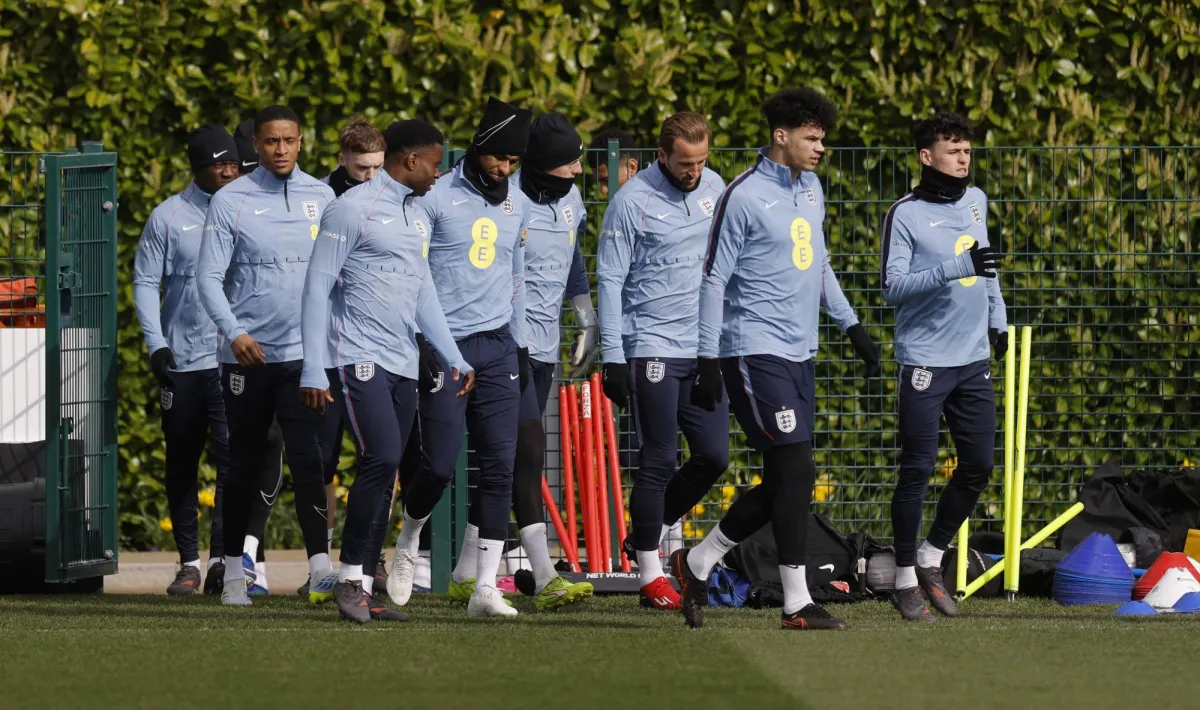
England, as always, has a roster full of talented players but faces immense pressure. Coach Thomas Tuchel is facing challenges in his lineup, as the squad lacks some exciting elements. However, the harmony among players will be key to success. The player list includes Harry Kane, Jude Bellingham, and Declan Rice, giving the team a strong chance to compete.
Brazil, which has not won the World Cup since 2002, hopes that this year will be the year of the Seleção. Despite injuries affecting some key players, coach Carlo Ancelotti is leading the team toward glory. Star Vinícius Júnior is ready to take the lead, giving the team hope for success.
Background & Context
Historically, the World Cup has been a platform to showcase the best teams and players in football. Since the tournament's inception, the competition has seen intense rivalry among major nations, making it a sporting event awaited by millions worldwide. In recent years, teams have evolved significantly, investing in player development and infrastructure, which has heightened the competition.
The upcoming tournament presents an opportunity for many teams to prove their worth, especially after significant changes in their lineups. Teams that were previously considered contenders may face new challenges, adding more excitement to the tournament.
Impact & Consequences
The impact of the World Cup extends beyond football, as it brings together different cultures and promotes sportsmanship. Success in the tournament can also affect the local economies of host countries, attracting tourists and boosting investments. Conversely, failure in the tournament can put pressure on teams and coaches, potentially affecting their futures.
The tournament is also an opportunity for teams to highlight young players, opening doors for them to professional careers in major clubs. This enhances the development of the game in various countries and increases its popularity.
Regional Significance
The World Cup is a significant event for the Arab region, where millions of Arab fans follow global teams. Arab participation in the tournament enhances cultural identity and increases interaction among nations. Additionally, the success of Arab teams in the tournament can be a source of pride and boost national spirit.
Arab countries are striving to host major tournaments, reflecting the development of sports infrastructure in the region. This can contribute to enhancing sports tourism and increasing investments in this sector.
In conclusion, the 2026 World Cup remains an event eagerly awaited by football fans worldwide, as the best teams compete for glory. With big names in the competition, the tournament promises more excitement and thrill.