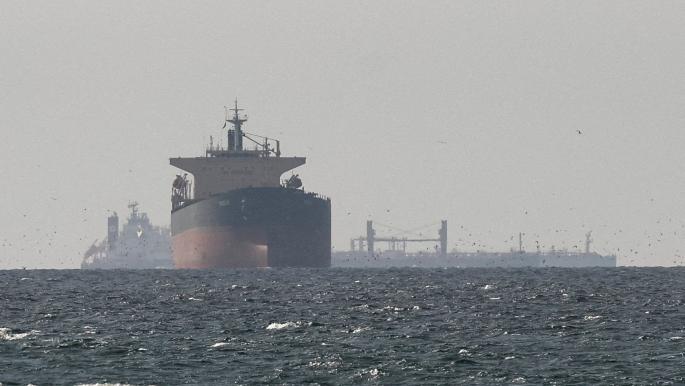
A new analysis by AFP reveals that approximately 60% of the cargo ships that have crossed the Strait of Hormuz since the onset of the war in the region are connected to Iran. This figure highlights the significant impact of regional conflicts on maritime trade in one of the world's most crucial waterways.
The Strait of Hormuz, which connects the Arabian Gulf to the Gulf of Oman, is considered a vital transit point for transporting oil and natural gas, with nearly 20% of the world's total oil passing through it. As tensions in the region escalate, this corridor has become a focal point for major powers, complicating the security and economic situation.
Details of the Analysis
The AFP analysis relied on precise maritime data, tracking ship movements since the conflict began. The results showed that the vessels linked to Iran include oil tankers and commercial cargo ships, underscoring Iran's role in maritime trade despite the sanctions imposed on it.
The analysis also indicated that these ships are not limited to transporting Iranian goods only; they also carry shipments for other countries, reflecting a complex network of trade relations in the region.
Background & Context
Historically, the Strait of Hormuz has experienced recurring tensions, especially during periods of regional conflict. Since the outbreak of war in the area, concerns have risen regarding security threats that could affect navigation. These conditions have led to an increase in the number of ships heading toward this corridor, highlighting the region's importance in global trade.
Moreover, the economic sanctions imposed on Iran have not deterred its commercial activities; on the contrary, these sanctions seem to have complicated trade relations in the region.
Impact & Consequences
The repercussions of this situation extend beyond maritime trade, affecting global oil prices and increasing instability in the markets. If tensions continue, we may witness a rise in oil prices, impacting the economies of importing countries.
Furthermore, the persistence of these dynamics could lead to an escalation of military conflicts, threatening the safety of navigation in the region and increasing risks for commercial vessels.
Regional Significance
The Arab countries neighboring the Strait of Hormuz, such as the United Arab Emirates and Oman, are among the most affected by the tensions in the region. Any escalation could impact trade flows and increase shipping costs, negatively affecting the economies of these nations.
In conclusion, the situation in the Strait of Hormuz remains a central point of regional tensions, reflecting the challenges faced by maritime trade amid ongoing conflicts. It is crucial to closely monitor developments, as any changes could affect the global economy as a whole.