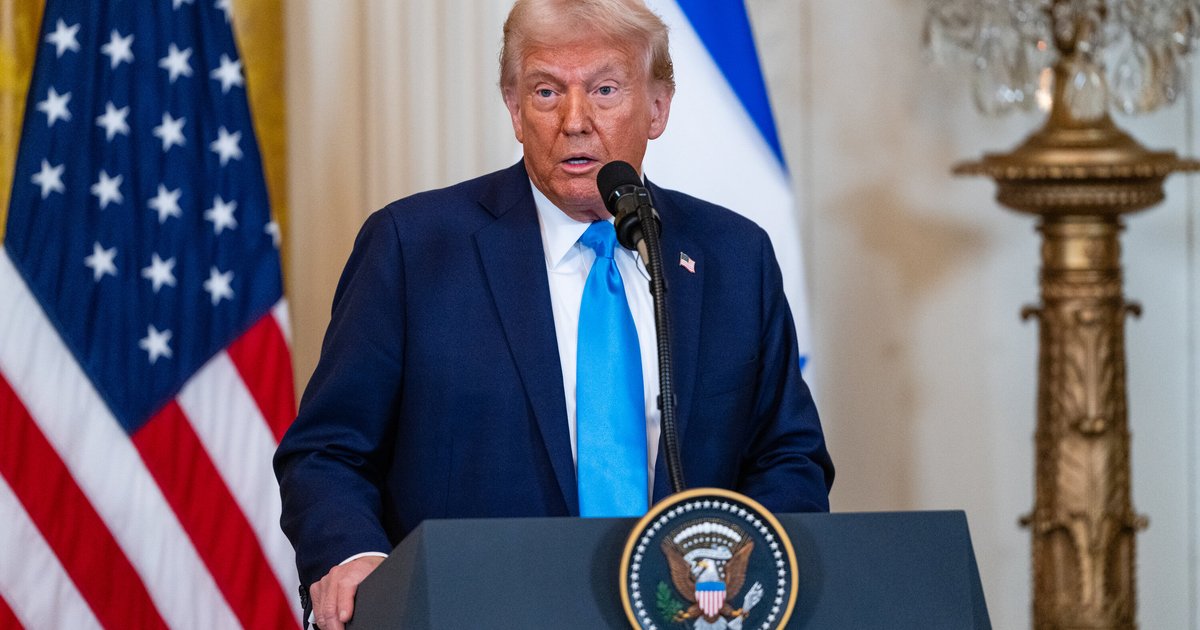
In recent statements, former U.S. President Donald Trump revealed his intentions to impose tolls on shipping traffic in the Strait of Hormuz, rather than exerting pressure on Iran. This proposal arises amid ongoing tensions in the region, where the Strait of Hormuz is a vital strategic point through which a significant percentage of global oil supplies pass.
Trump, who had taken a hardline stance against Iran during his presidency, indicated that imposing fees on vessels crossing the strait could be an effective means to achieve his economic and political objectives. He believes that this step would help protect American interests and enhance security in the region.
Details of the Proposal
Trump's statements come at a time when fears are rising regarding escalating tensions between the United States and Iran, especially following a series of maritime incidents in the strait. Iran considers any attempt to impose tolls on navigation in the strait a violation of its sovereign rights, which could lead to further escalation of the situation.
The Strait of Hormuz is one of the most important waterways in the world, with approximately 20% of the world's total oil passing through it. Any changes to the navigation system or the imposition of tolls could significantly impact global oil prices and the economies reliant on these supplies.
Background & Context
Over the years, the Strait of Hormuz has been the scene of numerous political and military conflicts. In 2019, the region witnessed an increase in attacks on oil tankers, prompting the United States to bolster its military presence in the Gulf. Additionally, the economic sanctions imposed on Iran have heightened tensions, making the region more sensitive.
Trump, who took a hardline approach against Iran, withdrew from the nuclear agreement in 2018, exacerbating the situation. Now, it appears that Trump is seeking to use the toll proposal as a means to pressure Iran without entering into direct conflict.
Impact & Consequences
If Trump's proposal is implemented, it could provoke strong reactions from Iran and other countries in the region. Iran may view this action as an economic declaration of war, potentially increasing tensions and leading to military escalation.
On the other hand, this move could also affect global oil prices, as any threats to navigation in the strait could significantly raise prices, impacting the global economy as a whole.
Regional Significance
The Gulf Arab states, especially those reliant on oil exports, are likely to be the most affected by such developments. Any escalation in the region could destabilize economic stability, negatively impacting financial markets and oil prices.
Ultimately, the region remains on high alert, as any actions by Trump or Iran could lead to radical changes in the geopolitical landscape of the Middle East.