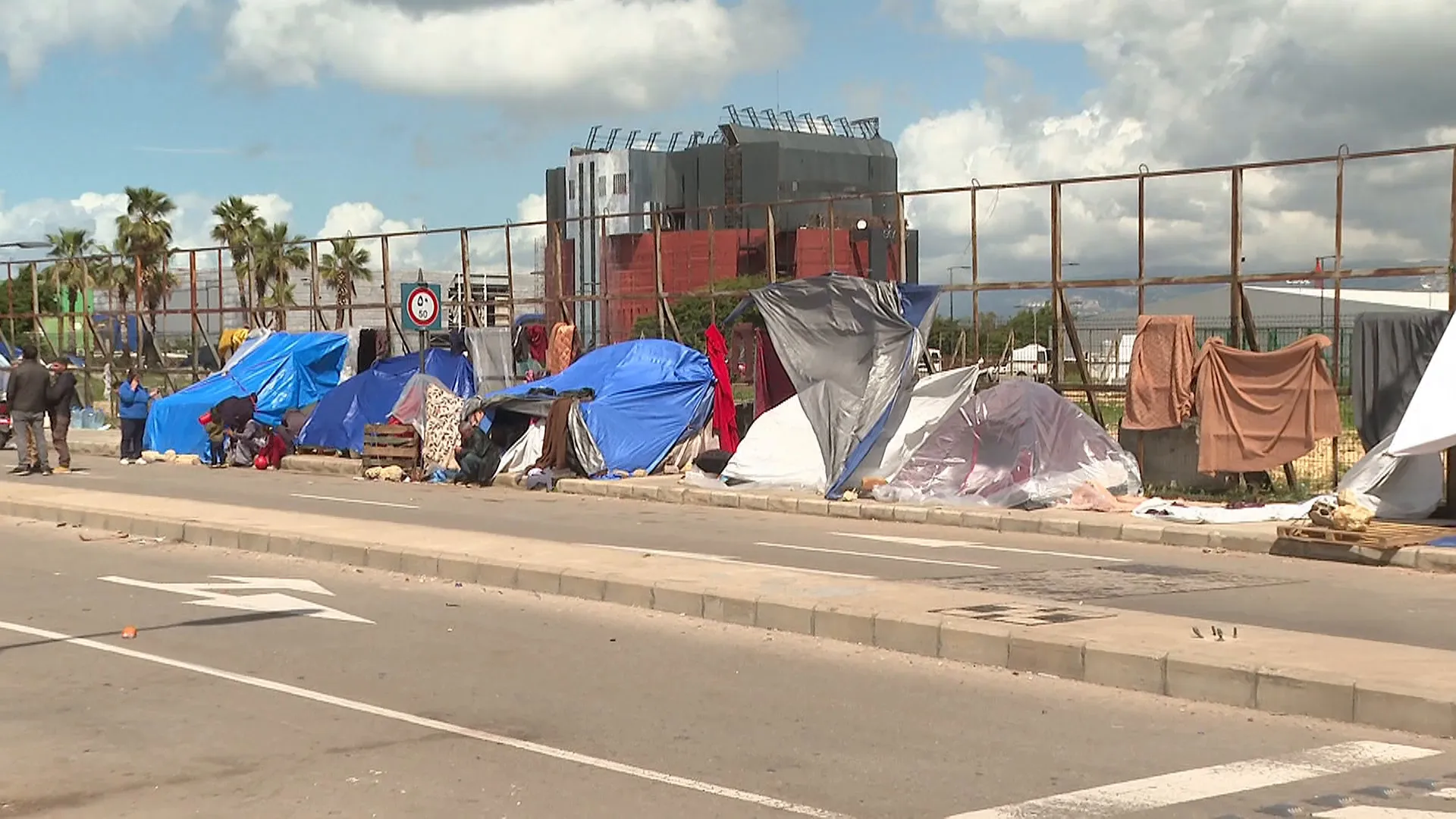
Approximately 1.6 million Lebanese are living in forced displacement due to the ongoing Israeli aggression, with UNICEF statistics indicating that 370,000 children are among them. Most of these displaced individuals are suffering from harsh conditions, whether in tents or overcrowded shelters, while international funding covers less than a third of their actual needs.
Al Jazeera correspondent Mohamed Al-Baqali reported on the details of this escalating humanitarian crisis, noting that only 130,000 of the displaced are residing in official shelters, which themselves suffer from suboptimal conditions, including overcrowding and inadequate basic services such as sanitation, health supplies, and food, according to UN sources.
Details of the Crisis
Al-Baqali pointed out a striking phenomenon that reflects the extent of suffering in the shelters, where some displaced individuals prefer to live in tents outdoors rather than in the centers, not only due to a lack of space but also because of the harsh conditions within these centers. Displaced children face compounded suffering in terms of education, as they are either completely deprived of education or receiving it remotely in conditions lacking the most basic technical requirements.
Regarding international funding, Al-Baqali mentioned that the appeal launched by UN Secretary-General Antonio Guterres to raise $325 million has only achieved $115 million, which is about a third of the required amount. Under these circumstances, humanitarian needs are escalating daily as waves of displacement continue.
Background & Context
Current data indicates that the collapse of the humanitarian system is imminent, with approximately 85% of the displaced relying on their own resources to secure their basic needs. Many have rented homes despite rising rents, while family support networks and civil associations are providing basic necessities for millions of people.
Al-Baqali also highlighted a serious security dimension that adds to the humanitarian suffering, as the Israeli occupation army targets areas within Beirut, depriving the displaced of the relative sense of security that displacement from confrontation zones had provided them.
Impact & Consequences
The International Organization for Migration has reported that around 600 shelters are full, while Médecins Sans Frontières has launched 15 mobile clinics providing primary care and medical consultations. The World Health Organization warns that widespread displacement poses one of the largest challenges faced by the Lebanese health system in recent years.
Since last Saturday, the Israeli army has intensified its targeting of the five bridges over the Litani River, isolating southern regions from each other and completely severing geographic communication between the north and south of the river, exacerbating the suffering of civilians trapped in those areas.
Regional Significance
On March 2, Hezbollah launched an attack on a military site in northern Israel in response to ongoing Israeli assaults on Lebanon, despite a ceasefire agreement since November 2024. On the same day, Israel began a new aggression against Lebanon by launching airstrikes on the southern suburbs of Beirut and areas in the south and east of the country.
Concerns are rising over escalating tensions in the region, as the continuation of Israeli aggression could worsen the humanitarian situation and increase the number of displaced persons, necessitating an urgent international response.