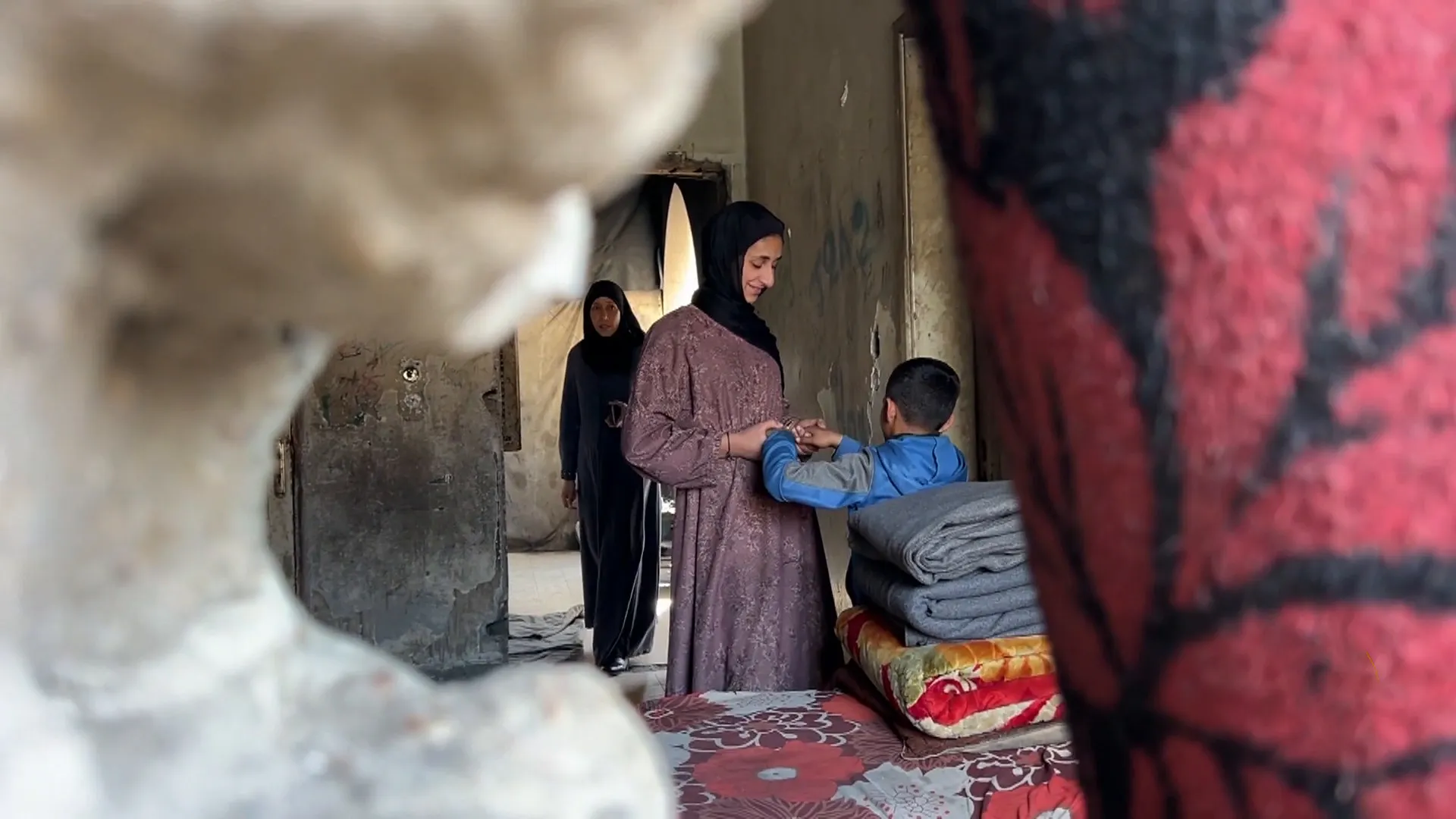
The orphan crisis in Gaza is escalating at an unprecedented rate, with around 85,000 children having lost their families due to the recent Israeli aggression. These figures reflect a tragic humanitarian reality, where these children must face the harshness of life alone, amid a lack of sufficient care and social support.
In a report prepared by Al Jazeera correspondent Noor Khaled, the suffering endured by these children becomes evident, as 27,000 children have lost both parents, leaving them without support or shelter. Some are trying to cling to hope through the limited aid that reaches them, while others face an uncertain fate.
Details of the Crisis
There are numerous painful stories in Gaza, one of the most notable being that of Janna, who lost her family in the war. Janna arrived at the hospital amidst chaos, with no one knowing who brought her or who her family was. Rami Arouqi, who took her in, states that he has followed legal procedures to adopt her, and she has become an important part of his life. Rami expresses hope that these children will find someone to embrace them and compensate for their loss.
On another front, we find the story of Nibal, who lost her parents during the war and became responsible for caring for her four siblings. Nibal states that she lost her father when she was seventeen and her mother at nineteen, and since then, she has been trying to secure her siblings' needs and compensate them for the loss of their mother.
Background & Context
These stories are part of the daily reality faced by orphan care institutions in Gaza. Nidal Jarada, the executive director of the Hope Institute for Orphans, confirmed that the institution has registered over 47,000 orphaned children as a result of the recent war alone. He points out that no single institution can meet the needs of this increasing number of orphans, exacerbating the crisis.
In Gaza, loss is not measured solely by the number of victims, but by the deep void left in the lives of children who face an uncertain future without families to protect or shelter them. These conditions reflect a humanitarian crisis that requires urgent intervention from the international community.
Impact & Consequences
The repercussions of this crisis extend beyond humanitarian dimensions, affecting the social and psychological stability of children. Losing a family means losing emotional and financial support, increasing their chances of facing social risks such as dropping out of school and delinquency.
Moreover, local and international institutions face significant challenges in providing the necessary support and care for these children. In light of difficult economic conditions, securing basic needs becomes challenging, further increasing the suffering of orphans.
Regional Significance
The orphan crisis in Gaza is part of a larger crisis affecting the Arab region, where the number of displaced persons and refugees is rising due to armed conflicts. These conditions call for a concerted effort at both regional and international levels to provide the necessary support, not just for orphaned children, but for all those affected by conflicts.
In conclusion, the orphan crisis in Gaza remains a symbol of human suffering that requires urgent attention from the international community. Providing care and support for these children is a humanitarian and moral duty that necessitates the collaboration of all parties involved.