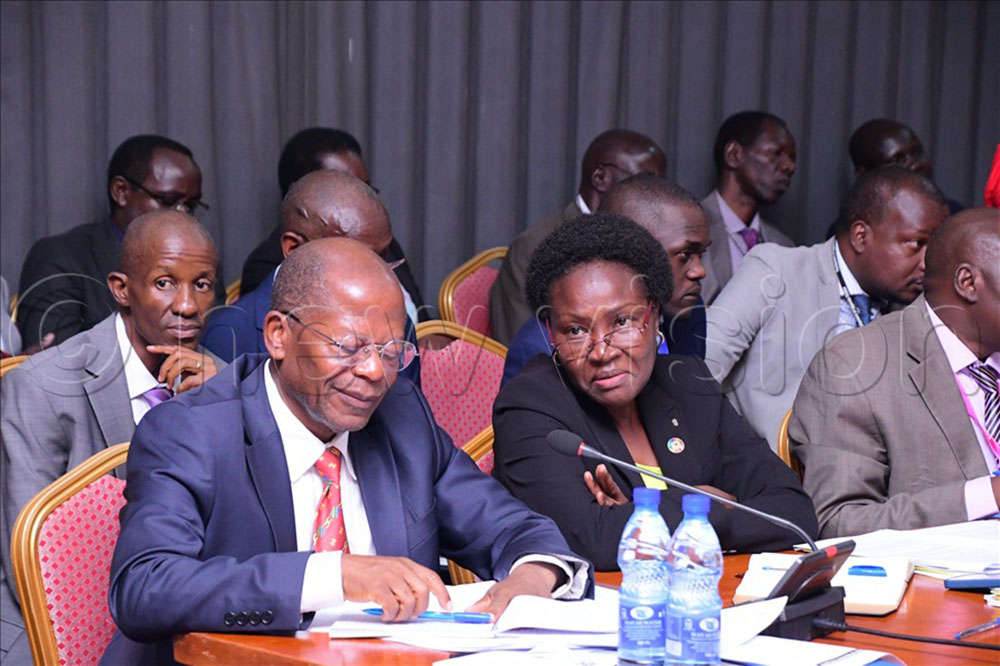
The government has declared its decision to abolish the Higher Education Ministry, a measure aimed at restructuring the educational system in the country. This decision comes at a sensitive time as the government seeks to enhance the quality of education and meet the needs of the labor market.
The new step reflects the government's direction towards developing education, as a new ministry will be established to take on responsibilities for higher and technical education. This ministry will work to enhance cooperation between educational institutions and the private sector, contributing to improved educational outcomes.
Details of the Event
In light of this change, the government confirmed that the new ministry will rely on innovative strategies aimed at improving the quality of higher education. These strategies will include developing curricula and providing necessary training for teachers, in addition to enhancing scientific research.
The ministry will also work on creating partnerships with global universities to exchange experiences and resources, enabling students to receive education that aligns with international standards.
Background & Context
This step comes amid the challenges facing the educational system in the country, where many students suffer from a lack of skills necessary for the labor market. Studies have shown that there is a significant gap between educational outcomes and market needs, necessitating urgent action.
Over the years, there have been increasing calls for reforming higher education, as many experts believe that the current ministry has been unable to meet the needs of students and society. Therefore, the abolition of the current ministry and the establishment of a new one represents a bold step towards improving the situation.
Impact & Consequences
This decision is expected to have a significant impact on the educational system in the country. The abolition of the current ministry may open the door for radical reforms in how higher education is managed, contributing to improved educational quality.
Additionally, the establishment of the new ministry may help enhance cooperation among various sectors, leading to better job opportunities for graduates. This step could mark the beginning of a new phase of development in higher education.
Regional Significance
This step is considered a model to be emulated in the Arab region, where many countries face similar challenges in their educational systems. This experience may inspire other countries to reconsider their educational structures and implement radical reforms.
In conclusion, this decision represents an opportunity to improve higher education in the country and reflects the government's commitment to meeting the needs of students and society.