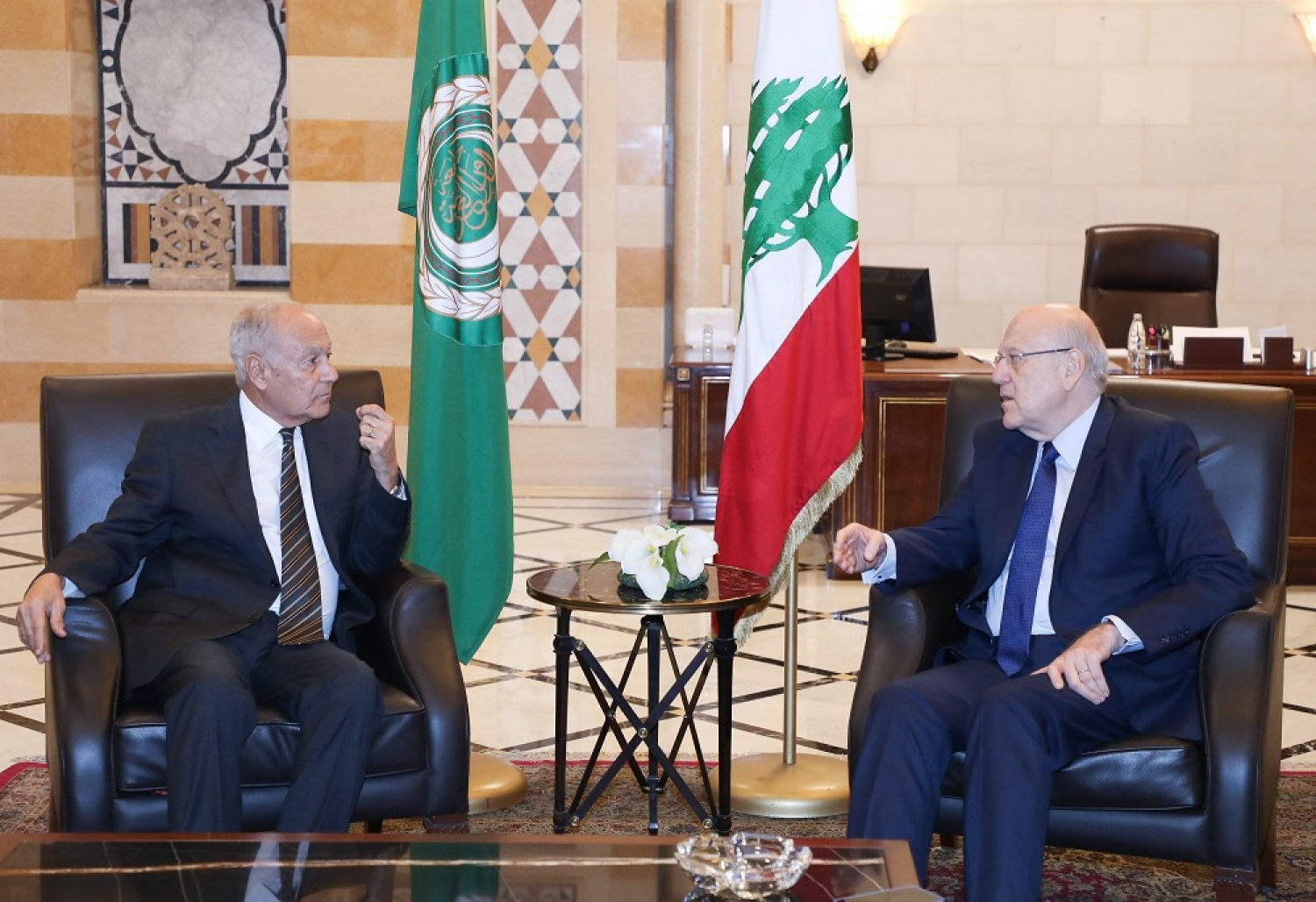
Ahmed Aboul Gheit, the Secretary-General of the Arab League, confirmed that the organization has not received any requests from member states regarding the severance of relations with Iran. These statements come at a time when the region is experiencing increasing tensions, raising questions about the future of Arab-Iranian relations.
In a press statement, Aboul Gheit clarified that relations between Arab countries and Iran should be built on dialogue and understanding, rather than escalation. He also emphasized the importance of regional cooperation in addressing common challenges, including security and stability in the region.
Details of the Statement
Aboul Gheit's remarks were made during a press conference held at the Arab League headquarters, where he addressed several regional and international issues. He affirmed that the League is closely monitoring developments in Arab-Iranian relations, stressing the necessity of maintaining communication channels.
These statements come at a time when relations between some Arab states and Iran are experiencing noticeable tensions, particularly in light of recent events in Iraq, Syria, and Yemen. These issues have raised concerns among many Arab countries, prompting them to reassess their relations with Tehran.
Background & Context
Historically, Arab-Iranian relations have been volatile, witnessing periods of cooperation and tension. Since the Islamic Revolution in Iran in 1979, relations have entered a phase of strain, especially with the rise of Iranian influence in the region.
Despite this, some Arab countries, such as Oman and Kuwait, have maintained good diplomatic relations with Iran, reflecting the diversity of Arab positions towards Tehran. These dynamics play a significant role in shaping regional policies.
Impact & Consequences
Aboul Gheit's statements underscore the importance of dialogue as a means to resolve conflicts. Amid the multiple crises facing the region, dialogue may be the only way to avoid escalation. Furthermore, maintaining diplomatic relations with Iran could contribute to regional stability.
On the other hand, any calls to sever ties with Iran could exacerbate the situation, increasing tensions further. Therefore, the Arab League's stance reflects a desire to maintain regional stability.
Regional Significance
Arab-Iranian relations are considered a key issue affecting security and stability in the Middle East. Continued dialogue and communication between the two sides may help alleviate tensions and enhance cooperation in various fields.
Ultimately, the question remains about how to manage these relations amid current challenges. The Arab League's position may open the door for further discussions on how to engage with Iran in a manner that ensures security and stability in the region.