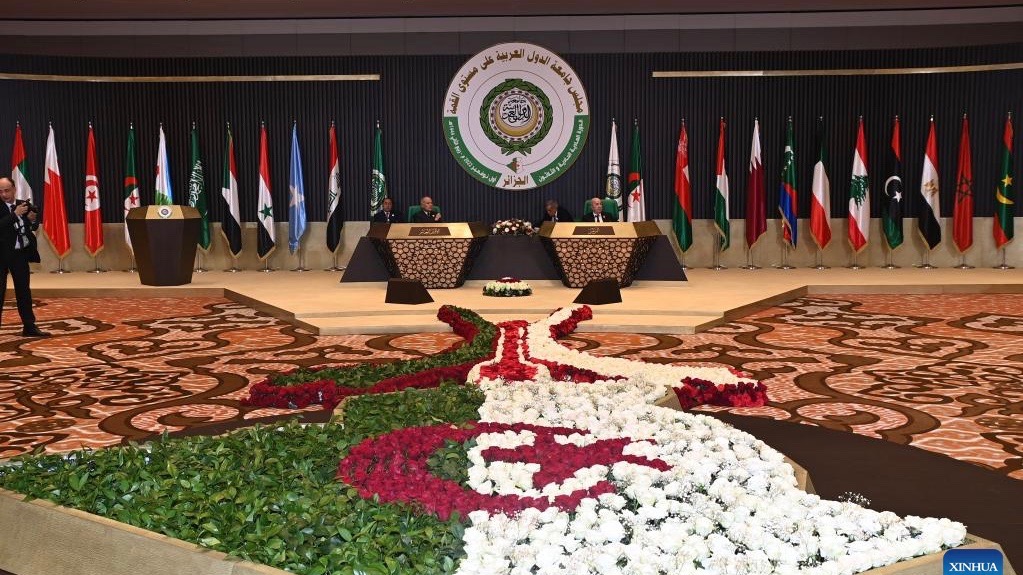
Amid rising security tensions in the Gulf region, Ahmed Aboul Gheit, the Secretary-General of the Arab League, expressed his discontent with the criticisms directed at the League regarding its shortcomings in defending Gulf countries. Aboul Gheit emphasized that the League lacks military capabilities such as advanced F35 fighter jets, which limits its ability to engage in direct military intervention.
Aboul Gheit's remarks came during a press conference, where he pointed out that the Arab League is working to enhance cooperation among member states, but faces significant challenges in the areas of defense and security. He affirmed that the League always seeks to support Gulf nations in facing threats, but it is not a military institution.
Details of the Event
These statements come at a sensitive time, as fears of regional tensions are escalating, particularly with the increase in military activities in the area. The Arab League has faced growing criticism from some member states, which believe that its role in safeguarding regional security is insufficient.
Aboul Gheit clarified that the League focuses on diplomatic solutions and security cooperation, highlighting the importance of dialogue among member states. He also noted that the League is working to enhance the capabilities of member states in security and defense areas, but it does not possess the ability for direct military intervention.
Background & Context
The Arab League was established in 1945 with the aim of promoting cooperation among Arab countries in various fields, including politics, economics, and culture. However, its role in security and defense issues has always been a subject of debate, as some believe that the League lacks the military strength necessary to influence regional crises.
Over the years, the League has faced significant challenges, ranging from internal conflicts in some member states to external threats. These challenges have affected the League's credibility and its ability to play an effective role in enhancing regional security.
Impact & Consequences
Aboul Gheit's statements underscore the urgent need to develop effective security strategies among Arab countries. In light of increasing threats, member states must strengthen security cooperation and information sharing to address common challenges.
Furthermore, these remarks may lead to a reassessment of the Arab League's role in security matters and may prompt member states to seek new security partnerships, whether with regional or international powers.
Regional Significance
The Gulf region is considered one of the most sensitive areas in the world, hosting numerous foreign military bases and experiencing escalating tensions among major powers. Therefore, the Arab League's role in promoting security and stability in this region is vital.
If the League fails to enhance its security capabilities, it could exacerbate crises in the region, negatively impacting the national security of member states. Thus, cooperation among Arab countries in this area is an urgent necessity.
In conclusion, Aboul Gheit's statements highlight the need to rethink the Arab League's role in security issues and to develop effective strategies for cooperation among member states to face the increasing challenges in the region.