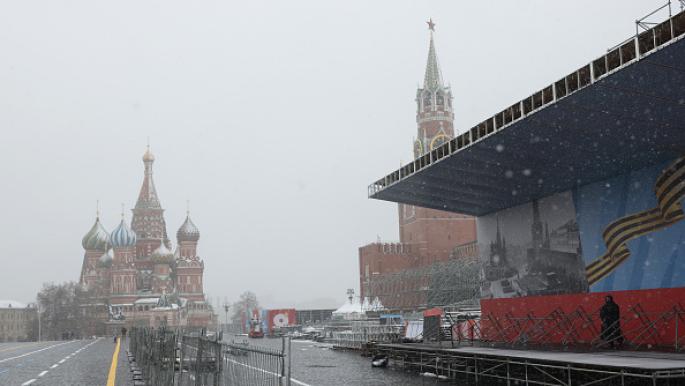
The Kremlin announced today that the annual military parade held in Red Square to commemorate Victory Day has undergone a significant reduction this year, as it will not include any military equipment. This decision is considered an unprecedented step in the history of the event, which has been celebrated for decades, reflecting radical changes in Russian military strategy.
This move comes at a time when Russia is facing increasing military and economic challenges, particularly due to the ongoing conflict in Ukraine. The Kremlin spokesperson indicated that current circumstances necessitate a reassessment of the parade, leading to the decision not to showcase military equipment.
Details of the Event
Victory Day in Russia is an important national occasion, where Russians celebrate their victory over Nazism in World War II. Traditionally, the military parade includes a display of troops and equipment, but this year it will be limited to traditional military displays without the use of heavy equipment. Attendance is expected to be restricted to military performances and music bands.
In previous years, the parade showcased Russia's military strength through the display of tanks, missiles, and modern equipment. However, with the absence of this equipment, questions arise about the message the Kremlin aims to convey under the current circumstances.
Background & Context
Since the onset of the conflict in Ukraine, Russia has faced increasing international pressure, affecting its military strategy. The military parade on Victory Day has historically been an opportunity to assert military strength, but the current situation may compel the Kremlin to reconsider how this strength is presented.
Historically, the military parade has demonstrated Russia's superiority in armament, but economic and political challenges may impact the country's ability to continue this tradition. This change also illustrates how global events influence the domestic policies of nations.
Impact & Consequences
This decision could have significant implications for Russia's international image. The absence of military equipment may be interpreted as a sign of weakness or a decline in power, potentially affecting Russia's standing on the international stage. It may also bolster the position of Western nations that criticize Russian policies.
Furthermore, this decision could impact the morale within the Russian armed forces, as the military parade is seen as an occasion to affirm loyalty and belonging. Under the current circumstances, soldiers may feel uncertain about their future.
Regional Significance
Russia is a key player in various issues in the Arab region, from Syria to Libya. This change in its military strategy could affect its relations with Arab countries, especially those that rely on Russian military support.
This situation may enhance the opportunities for Arab countries to reassess their relations with Russia, particularly amid increasing Western pressure on Moscow. It could also reshape alliances in the region, impacting political balances.
In conclusion, the absence of military equipment from the annual parade in Russia is an indicator of the radical changes the country is experiencing amid current crises. The world will continue to observe how these changes will affect Russian politics and international relations.