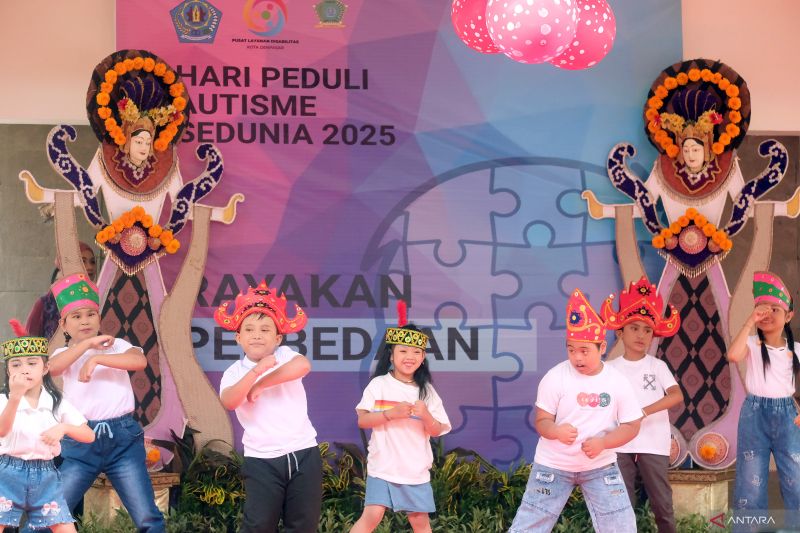
Rosana Ik Agustia, a researcher at the Public Health and Nutrition Research Center, emphasized the importance of enhancing data collaboration to expedite autism treatment in Indonesia. This announcement comes at a time when awareness of the need for early support for children with autism is increasing, as the Indonesian government seeks to improve its strategies in this area.
Agustia pointed out that data integration among various institutions could significantly contribute to a better understanding of autism, which would help develop more effective programs. She also stressed that accurate and updated data are essential for guiding health policies and providing appropriate support to families facing this challenge.
Event Details
In its efforts to address the challenges associated with autism, Rosana Ik Agustia stated that Indonesia needs a comprehensive system for collecting and analyzing data related to autism cases. This system will enable researchers and policymakers to gain a better understanding of the circumstances surrounding autism, facilitating the development of effective intervention strategies.
She added that collaboration between various governmental and non-governmental entities is vital, as it can contribute to the exchange of knowledge and expertise. This, in turn, will help improve the quality of services provided to children with autism and their families.
Background & Context
Autism is considered a developmental disorder that affects an individual's ability to communicate and interact socially. According to reports, the number of children with autism in Indonesia is continuously rising, necessitating urgent action. In recent years, the Indonesian government has increased its efforts to tackle this issue by developing awareness programs and providing support to families.
Historically, there has been a lack of awareness about autism in Indonesia, leading to delays in diagnosis and treatment. However, recent movements indicate a positive shift in how society is addressing this issue, opening the door for further research and collaboration.
Impact & Consequences
These efforts can lead to an improved quality of life for children with autism, as data integration will help provide timely support. Additionally, increasing awareness among families and the community will contribute to reducing the social stigma associated with autism, thereby enhancing the acceptance of these children in society.
Furthermore, improving early intervention strategies can reduce the long-term economic costs associated with autism, as early intervention is often more effective and less costly than late treatment.
Regional Significance
The issue of autism is a global concern that affects all communities, including Arab countries. As awareness of autism increases in the region, Arab nations can benefit from successful experiences in Indonesia. By fostering collaboration among Arab countries and exchanging knowledge, strategies for supporting children with autism can be improved.
In conclusion, this announcement represents an important step towards improving the lives of children with autism in Indonesia. By enhancing data collaboration, the government and society can contribute to providing better support for these children and their families.