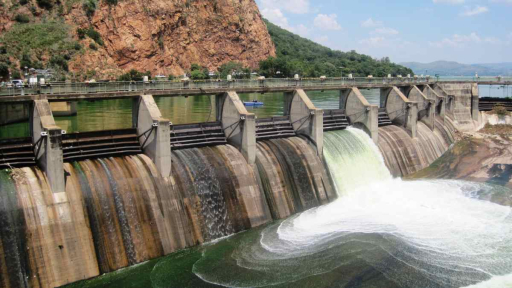
PT Wijaya Karya (Persero) Tbk, commonly known as WIKA, has announced substantial progress in the construction of the Jeni Lata Dam in Gowa, Indonesia. The project has achieved a completion level of 25.2% as of the first quarter of 2026, focusing on excavation and foundation work in the dam areas.
The Jeni Lata Dam is part of national efforts to enhance water infrastructure, aiming to improve water security and support sustainable development in the country. WIKA's CEO, Agung Budi Waskito, stated that the project is not only about completing the construction but also aims to provide long-term benefits to the local community.
Project Details
The project is currently being executed at an accelerated pace, with core activities including excavation for the dam foundation, slope protection, and construction of access roads to the site. The main dam area has been prepared to enter the filling stage, reflecting ongoing progress in the work.
The Jeni Lata Dam features modern construction techniques such as the Concrete Face Rockfill Dam (CFRD) method, along with the use of Building Information Modeling (BIM) 5D, which enhances the efficiency and accuracy of the project.
Background & Context
This initiative aligns with the vision of the Indonesian government to enhance water security and achieve sustainable development. Water is considered one of the vital resources that directly impacts food and economic security in the country. In recent years, Indonesia has faced significant challenges in managing its water resources, making it essential to invest in new infrastructure projects.
The Jeni Lata Dam, with a storage capacity of 223.6 million cubic meters, aims to provide irrigation water for over 25,783 hectares of agricultural land, in addition to supplying drinking water to surrounding areas such as Makassar, Gowa, Maros, and Takalar.
Impact & Consequences
The Jeni Lata Dam is expected to contribute to enhancing water security in the region, which will help improve agricultural productivity and increase farmers' income. The project will also work to reduce flood risks in the Jeni Pirang River basin, thereby enhancing the stability of local communities.
Moreover, the dam contributes to the development of renewable energy through a 7 megawatt hydroelectric power station, supporting Indonesia's efforts to transition to clean energy sources.
Regional Significance
Projects like the Jeni Lata Dam serve as a model for the Arab region, where many countries face similar challenges in managing water resources. Arab nations can benefit from Indonesia's experiences in dam construction and water infrastructure development, especially in light of climate changes affecting water security.
In conclusion, the Jeni Lata Dam project represents a significant step towards achieving water security and sustainable development in Indonesia, reflecting the commitment of the government and private companies to invest in vital infrastructure.