Indonesian Public Works Minister, Dody Hanggodo, announced the urgent implementation of a project to build secondary irrigation canals in Poyolali to enhance water distribution for farmers. This decision comes amid declining efficiency of the current irrigation system, increasing farmers' reliance on rainfall.
During a visit to Ketining village, the minister emphasized the importance of effective water management, stating, "We must conserve and manage water well. I urge you to expedite the construction of the secondary network so that water does not go to waste and can reach more agricultural land efficiently."
Details of the Initiative
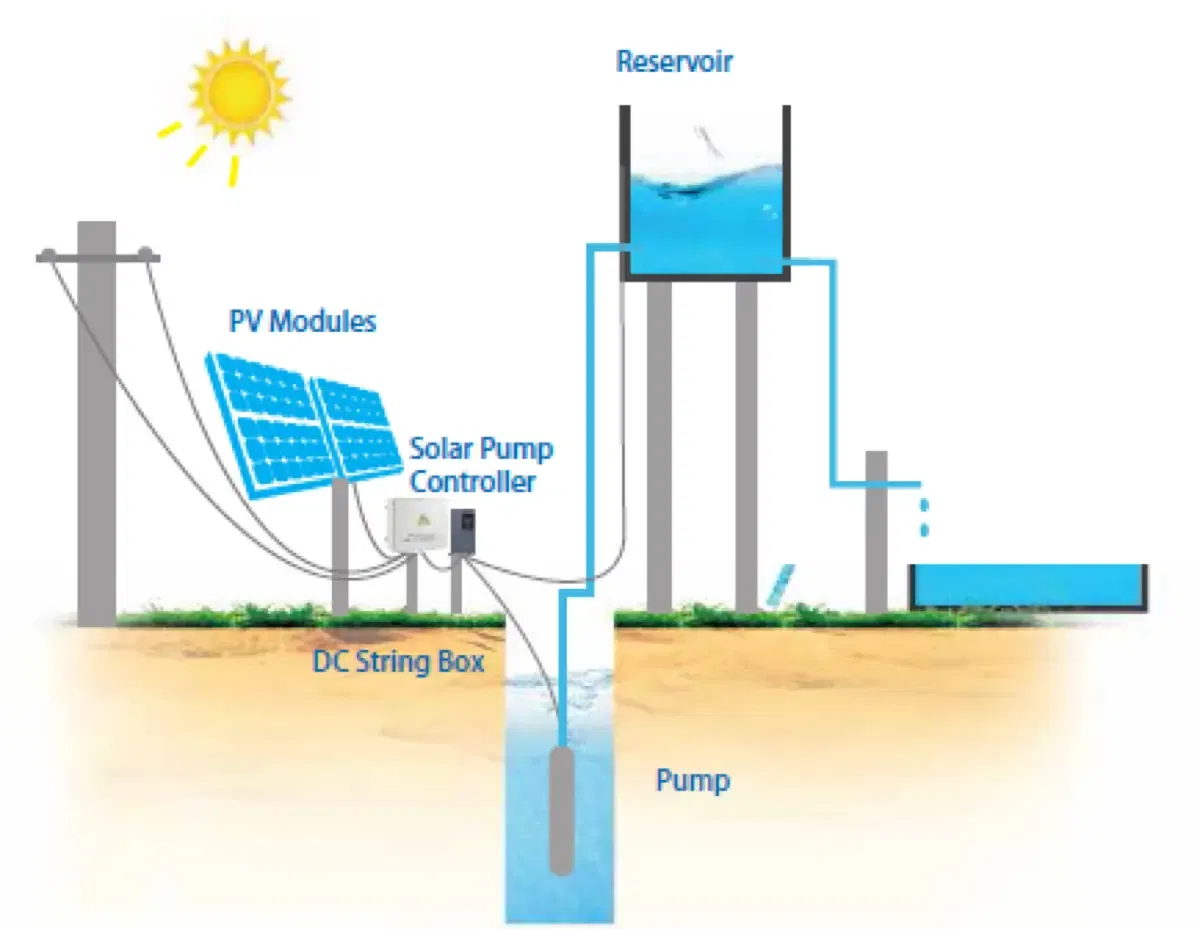
This initiative follows the development of the groundwater irrigation network system (JIAT) in the Poyolali area, where new infrastructure has been established to provide alternative water sources for farmers, especially during dry periods. The minister noted that the new irrigation system includes wells approximately 120 meters deep, along with a network of pipes and pumping stations to ensure water flow to agricultural lands.
The new system in Ketining village provides irrigation services to about 20 hectares of agricultural land, featuring a pipeline network of approximately 700 meters and eight water distribution units. This will enable farmers to rely on water more consistently throughout the year, rather than solely depending on rainfall.
Background & Context
Historically, the Poyolali area relied on the Puyu Dam, which irrigated hundreds of hectares of farmland. However, with the dam's efficiency declining, its service capacity has dropped from 700-800 hectares to less than 500 hectares, leaving farmers in urgent need of sustainable alternatives to ensure the continuity of their agriculture.
The development of the groundwater irrigation system is part of the Indonesian government's strategy to address challenges related to climate change and harsh weather conditions, which directly affect agricultural production and food security in the country.
Impact & Consequences
Accelerating the construction of secondary irrigation canals will have a positive impact on agricultural production in Indonesia, as it will enable farmers to improve their productivity and reduce reliance on rainfall. Additionally, this project reflects the government's commitment to enhancing food security in the country, especially in light of increasing climate challenges.
Moreover, improving the irrigation system will lead to increased farmer incomes, contributing to better living standards in rural areas. This project is expected to promote agricultural sustainability in the long term.
Regional Significance
Although this news pertains to Indonesia, the challenges it faces in water management and agriculture reflect similar issues in many Arab countries. Several Arab nations, such as Egypt and Jordan, face significant challenges in managing water resources, necessitating innovative strategies to ensure agricultural sustainability.
Policymakers in Arab countries can benefit from Indonesia's experiences in developing sustainable irrigation systems, especially in the context of climate changes threatening food security in the region.