The Egyptian government is working to accelerate the pace of development at Sokhna Port, aiming to boost Egypt's share in the global transit trade market, particularly in light of increasing disruptions in the Strait of Hormuz. This move comes as maritime navigation is facing significant challenges due to the tense regional situation.
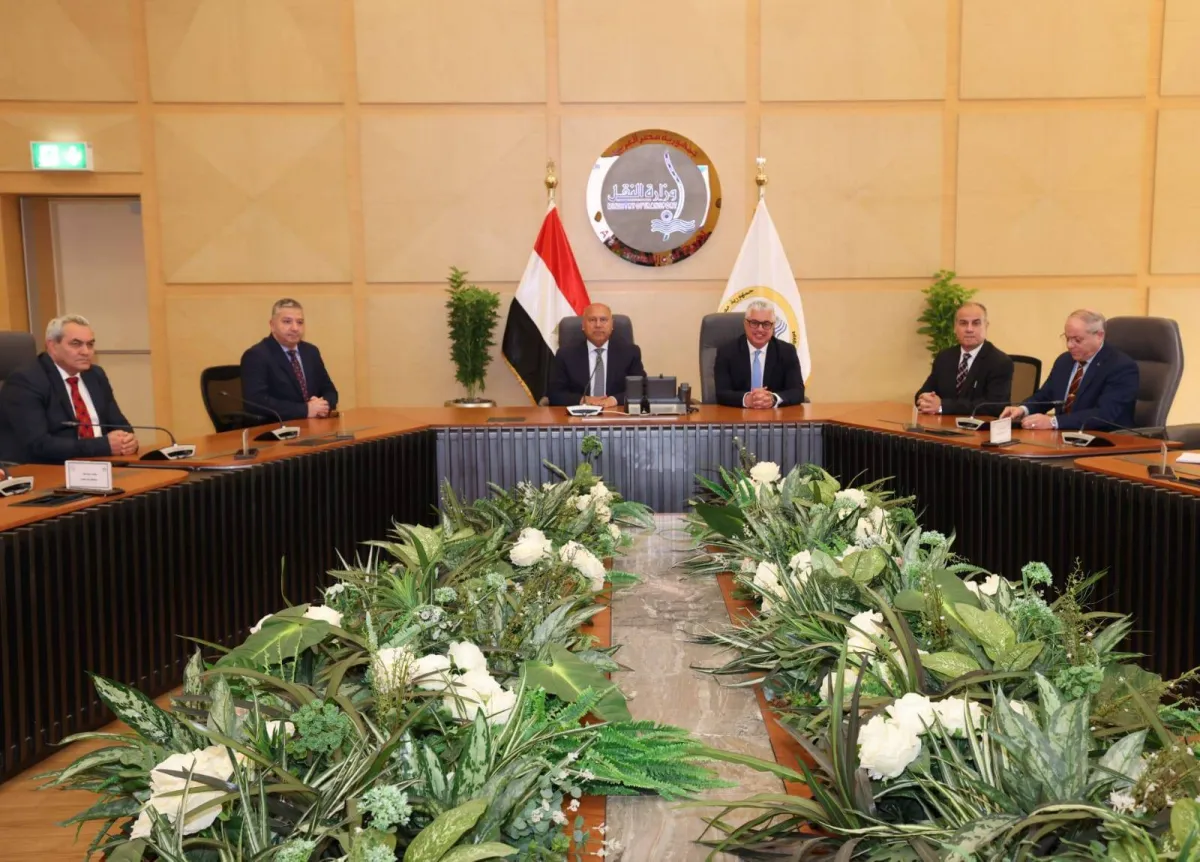
In this context, the Egyptian Ports Company and the General Authority for the Suez Canal Economic Zone signed a licensing contract to undertake shipping, unloading, handling, and storage activities for general cargo and clean dry bulk goods. This contract allows for immediate operation and maximizes the utilization of the existing infrastructure at Sokhna Port, which is located on the Red Sea coast east of Cairo.
Event Details
A memorandum of understanding was also signed to conduct necessary studies regarding the establishment, operation, maintenance, and development of a clean dry bulk and general cargo terminal at Sokhna Port. The Egyptian Ministry of Transport confirmed that the process of developing Egyptian ports aims to transform Egypt into a regional hub for transport and logistics, increasing the capacity of these ports to attract investments and accommodate the significant growth in trade movement.
It is noteworthy that Iran's closure of the Strait of Hormuz due to the Iranian war has disrupted maritime navigation, affecting energy supply chains and regional trade. The strait carries one-fifth of the world's oil and liquefied natural gas during peacetime, making any disruption in navigation have significant repercussions on the global economy.
Context and Background
The Egyptian government aims to increase the number of companies operating in the maritime transport and port sectors, with Egyptian Transport Minister Kamel al-Wazir indicating that the country seeks to transform Sokhna Port into a pivotal port that rivals the latest global ports. This transformation is part of a comprehensive strategy to enhance Egypt's role as a regional trade center.
In a related context, Egyptian President Abdel Fattah el-Sisi expressed concern over the economic impacts of the Iranian war, noting that his country hopes to avoid economic repercussions similar to those experienced during the Gaza war, where Egypt incurred losses of nearly $10 billion in Suez Canal revenues due to that conflict.
Consequences and Impact
The Egyptian interest in accelerating the development of Sokhna Port is part of a broader trend to establish regular shipping lines with Saudi ports, facilitating transport and trade with Gulf countries. The disruption of navigation in the Strait of Hormuz enhances trade routes with Gulf countries through Egyptian and Saudi ports.
Experts believe that the maritime connection between Egyptian and Saudi ports will help meet the Gulf countries' needs for goods and products, as well as assist in compensating for Suez Canal losses due to regional events through the fees that Egypt will collect from activating transit trade.
Impact on the Arab Region
The Egyptian government seeks to enhance its foreign currency resources due to the impact on Suez Canal revenues, as it continues to engage with international financial institutions to expedite some scheduled financing tranches. It is also working to expand the government offering program and attract foreign direct investments to support the Egyptian economy in the face of current changes.
Developing maritime ports enhances Egypt's significance as a logistical corridor and strengthens regional cooperation in addressing economic challenges resulting from the Iranian war. It is expected that operational rates between Egyptian and Gulf ports will rise in the coming period, reflecting the importance of these steps in bolstering the Egyptian economy.