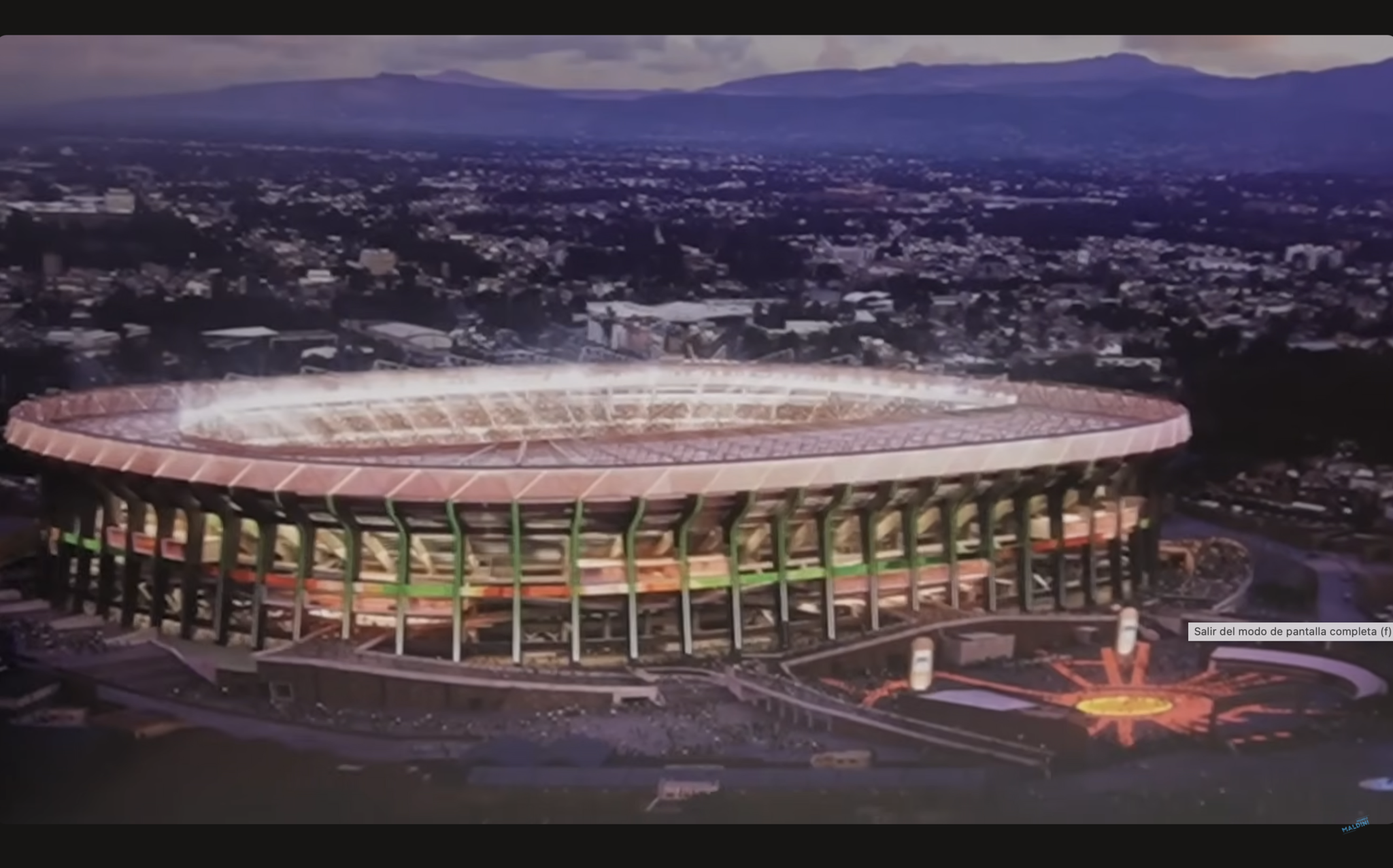
Estadio Azteca, one of the most famous stadiums in the world, is preparing to welcome matches for the 2026 World Cup, as authorities in Mexico accelerate the necessary preparations. The stadium is a prominent sports landmark and has witnessed many historic events, making it a focal point for football fans.
The preparations for the 2026 World Cup require comprehensive updates to the infrastructure, including improvements to facilities and an expansion of its capacity. Officials are collaborating with sports experts to ensure a remarkable experience for fans and participating teams.
Event Details
Estadio Azteca, located in Mexico City, is one of the largest stadiums in the world, with a capacity of over 87,000 spectators. It opened in 1966 and has hosted several major tournaments, including the World Cup finals in 1970 and 1986. As the 2026 World Cup approaches, which will be held in three countries— the United States, Canada, and Mexico— the stadium requires technological updates and advanced infrastructure.
The proposed improvements at Estadio Azteca include upgrading the lighting system, providing new technologies to enhance the fan experience, and developing health and service facilities. Additionally, efforts will be made to improve access to the stadium through public transportation and surrounding roads.
Background & Context
Hosting the 2026 World Cup is a historic event, as it will be the first time the tournament is organized in three countries. This event follows the success of the 2022 World Cup in Qatar, which showcased the Arab nations' ability to host global sporting events. The 2026 World Cup aims to enhance cooperation among the three countries and provide a unique experience for fans.
Historically, Estadio Azteca has been a symbol of Mexican football, witnessing many historic moments, such as Diego Maradona's famous goal in the 1986 World Cup. Therefore, the ongoing preparations aim to preserve this legacy and enhance the stadium's status on the global stage.
Impact & Consequences
The importance of updating Estadio Azteca goes beyond the sporting aspect, as the project reflects Mexico's commitment to boosting sports tourism. The World Cup is expected to attract a large number of visitors, contributing to the local economy. Furthermore, improving infrastructure will benefit the city's residents by providing modern facilities and better transportation options.
Moreover, the successful organization of the tournament will enhance Mexico's image as a global sports destination, potentially opening doors for hosting other sporting events in the future. The collaboration between the three countries in organizing the tournament may also strengthen economic and cultural relations among them.
Regional Significance
The 2026 World Cup represents an opportunity for Arab countries to learn from Mexico's experience in organizing major sporting events. Following Qatar's success in hosting the 2022 World Cup, Arab nations can benefit from the lessons learned in areas such as infrastructure and sports marketing.
Additionally, Mexico's success in hosting the World Cup may encourage Arab countries to submit bids to host future tournaments, enhancing their status on the global sports scene. Cooperation among countries in organizing major sporting events could open new avenues for Arab collaboration in various fields.