Artificial intelligence (AI) technologies have seen significant advancements in recent years, being utilized in diverse fields such as medicine, education, and industry. This progress raises questions about its impact on the labor market and society at large.
While AI is considered a tool for improving efficiency and productivity, there are concerns that it may lead to the loss of many traditional jobs. Additionally, its use in decision-making may raise ethical issues related to privacy and discrimination.
Event Details
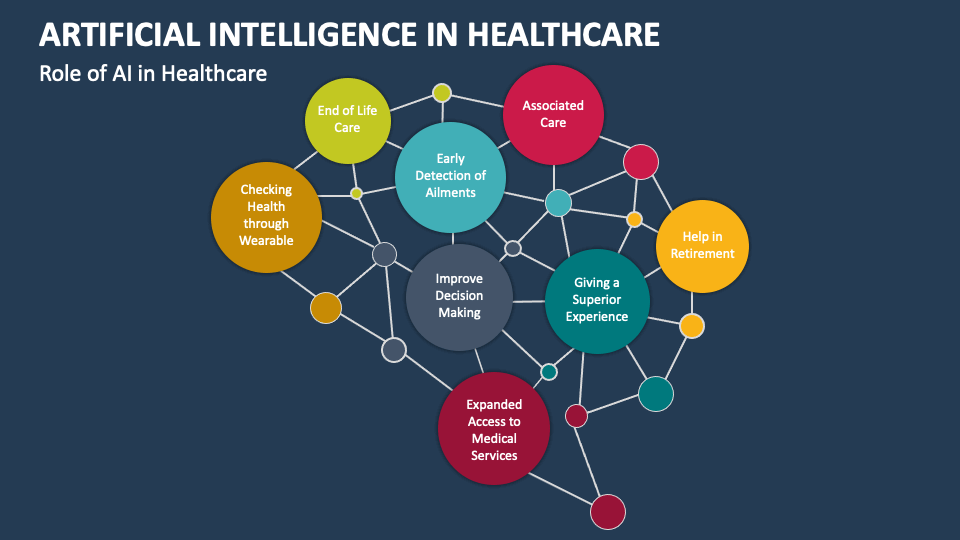
AI has become an integral part of many industries. For instance, in the field of healthcare, AI technologies are used to analyze medical data and provide accurate diagnoses. In education, intelligent systems are employed to customize educational content according to students' needs.
Furthermore, AI technologies are utilized in areas such as marketing, where consumer behavioral data is analyzed to deliver personalized advertisements. This increasing use attracts massive investments from major companies, reflecting the importance of this technology for the future.
Background & Context
The journey of AI began several decades ago, but it has witnessed qualitative leaps in recent years due to technological advancements and increased computing power. In 2012, deep learning technologies achieved significant milestones in areas such as image and voice recognition, paving the way for new applications.
The United States and China are considered leading countries in this field, with governments and companies investing heavily in the development of AI technologies. These investments reflect a forward-looking vision that relies on innovation and technology as key factors for economic growth.
Impact & Consequences
The implications of using AI are manifold, with expectations of radical changes in the labor market. Some studies suggest that AI could threaten around 800 million jobs worldwide by 2030. However, it could also create new jobs in fields that did not previously exist.
Moreover, the use of AI raises ethical issues, such as how to ensure that these technologies are not used in discriminatory ways or violate privacy. Therefore, it is essential to establish clear regulatory frameworks to protect individuals and communities.
Regional Significance
In the Arab region, AI is seen as an opportunity to enhance economic and social development. Many Arab countries have begun investing their resources in this field, with the United Arab Emirates being a leading country in adopting AI technologies through initiatives like the UAE Artificial Intelligence Strategy.
However, Arab countries must be aware of the challenges associated with digital transformation, including the need to develop the necessary skills to keep pace with this progress. Investment in education and training will be crucial to ensure that Arab communities benefit from the advantages of AI.
In conclusion, AI is one of the most prominent technological trends that will impact the future of humanity. It requires a balance between leveraging this technology and addressing the challenges that may arise from its use. Continuous dialogue between governments, companies, and communities is essential to ensure the responsible and ethical use of AI.