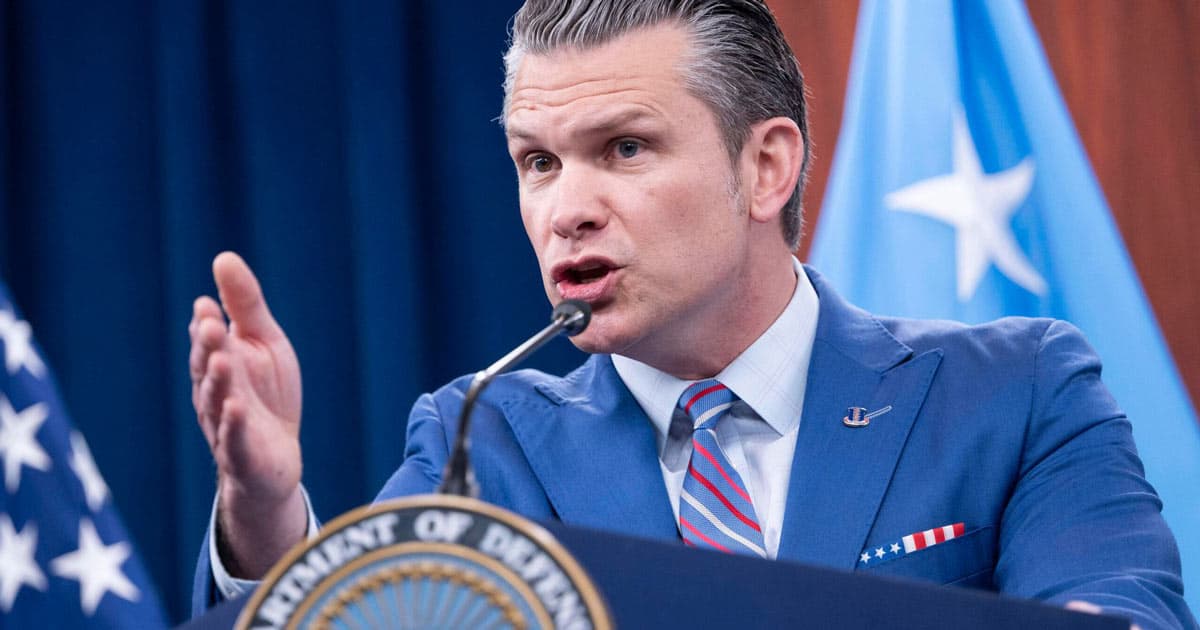
The New York Times has accused the U.S. Department of Defense (Pentagon) of ignoring a court ruling that prevents the implementation of a new policy restricting journalists' access to information. These accusations come at a sensitive time as concerns about press freedom in the United States are increasing, raising questions about transparency and accountability in the U.S. government.
According to reports, the Pentagon has not complied with a federal court judge's decision that ordered a halt to a new policy aimed at reducing the number of journalists who can access military information. This policy, announced earlier, has sparked widespread controversy among journalists and media outlets, as many consider it a step towards restricting press freedom.
Details of the Incident
In the context of this issue, the New York Times reported that the Pentagon has continued to implement some aspects of the new policy, which has led to a reduction in journalists' ability to comprehensively cover military events. The newspaper noted that this behavior constitutes a clear violation of the court's ruling, raising concerns about the government's respect for judicial decisions.
This crisis comes at a time when pressures on media in the United States are increasing, as journalists face growing challenges in obtaining information. Many journalists have expressed concern that these policies could negatively impact their ability to perform their professional duties effectively.
Background & Context
Historically, press freedom in the United States has been protected under the First Amendment of the Constitution, which guarantees citizens' rights to express their opinions and access information. However, recent years have seen a rise in tensions between the government and the media, with some government officials accused of attempting to restrict press freedom.
This case is part of a broader discussion about the role of media in a democratic society, where journalists play a vital role in monitoring the government and providing information to the public. Any attempt to diminish this role could have serious repercussions for democracy and freedom of expression.
Impact & Consequences
If the Department of Defense continues to ignore the court ruling, it could lead to serious legal repercussions. Pentagon officials may face contempt charges, which could increase pressure on the government to provide clear explanations regarding its policies towards the press.
Moreover, this situation could affect public trust in the government. If citizens feel that the government does not respect laws and judicial decisions, it may lead to an erosion of trust in democratic institutions.
Regional Significance
In the Arab context, press freedom is also a sensitive issue, as many Arab countries face significant challenges in this area. Events in the United States may cast a shadow over discussions about media freedom in the Arab world, where journalists seek to secure their rights to access information.
This case highlights the importance of supporting press freedom as a fundamental human right, as media plays a vital role in promoting transparency and accountability in governments. Any regression in press freedom in the United States could have negative implications for efforts in the Arab world to achieve greater freedom and democracy.