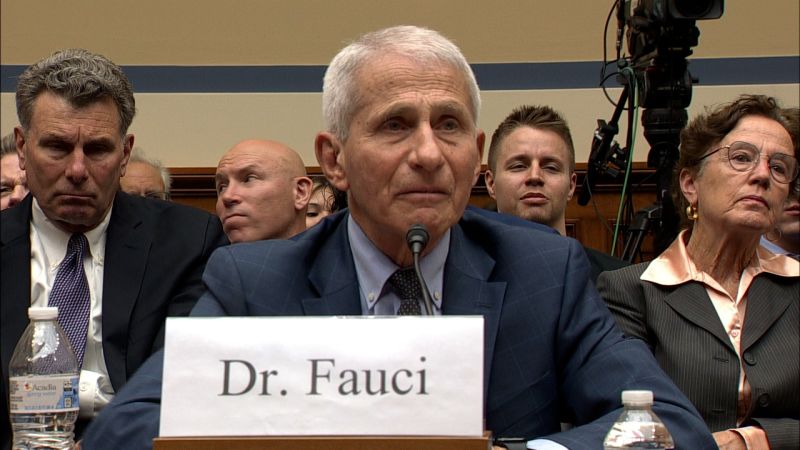
The judicial authorities in the United States have charged a former advisor to Dr. Anthony Fauci, who served as the chief medical advisor to former President Donald Trump, with concealing communications related to COVID-19 research. This case raises questions about transparency and credibility in scientific research concerning public health, especially during global health crises.
The advisor, whose name has not been disclosed, is accused of hiding information regarding communications with researchers and scientific institutions about COVID-19 research. The charges were filed in a federal court, highlighting the importance of transparency in scientific research, particularly that funded by the government.
Details of the Allegations
Reports indicate that the allegations include concealing information that could be significant in understanding how the virus evolved and how governments responded to it. Evidence has been presented through emails and phone calls, reflecting the complexity of the case and its legal dimensions.
These charges come at a sensitive time when there are increasing calls from the scientific community and the public for transparency in COVID-19 research. Many experts have pointed out that concealing information could negatively impact the scientific community's response to the pandemic.
Background & Context
Since the onset of the COVID-19 pandemic, there have been growing concerns regarding transparency in research related to the virus. This issue has sparked widespread debate about how scientific information is managed, especially when it pertains to public health. In recent years, we have witnessed numerous instances where governments and scientific institutions have been criticized for a lack of transparency.
Historically, there have been similar cases in other fields where scientists and institutions were accused of concealing vital information. These instances underscore the importance of having effective oversight mechanisms to ensure transparency and credibility in scientific research.
Impact & Consequences
This accusation serves as a wake-up call for the scientific community and governments regarding the necessity of enhancing transparency in research. If the allegations are proven true, this could lead to serious legal repercussions for the former advisor, as well as negative impacts on the reputation of the involved scientific institutions.
Moreover, this case may open the door for further investigations into how COVID-19 research has been managed, potentially affecting future health policies. It is crucial for the scientific community to learn from this experience to bolster trust between the public and researchers.
Regional Significance
In the Arab region, transparency in scientific research is vital, especially given the health challenges many countries face. This case could serve as an important lesson for Arab nations about the importance of enhancing transparency and credibility in health research.
Furthermore, improving transparency in research could contribute to better responses by Arab countries to health crises, thereby strengthening their capacity to tackle future challenges.
The accusations against Fauci's advisor highlight the importance of transparency in scientific research, particularly during global health crises. The scientific community and governments must work together to ensure that information is accessible and transparent, fostering trust between the public and researchers.