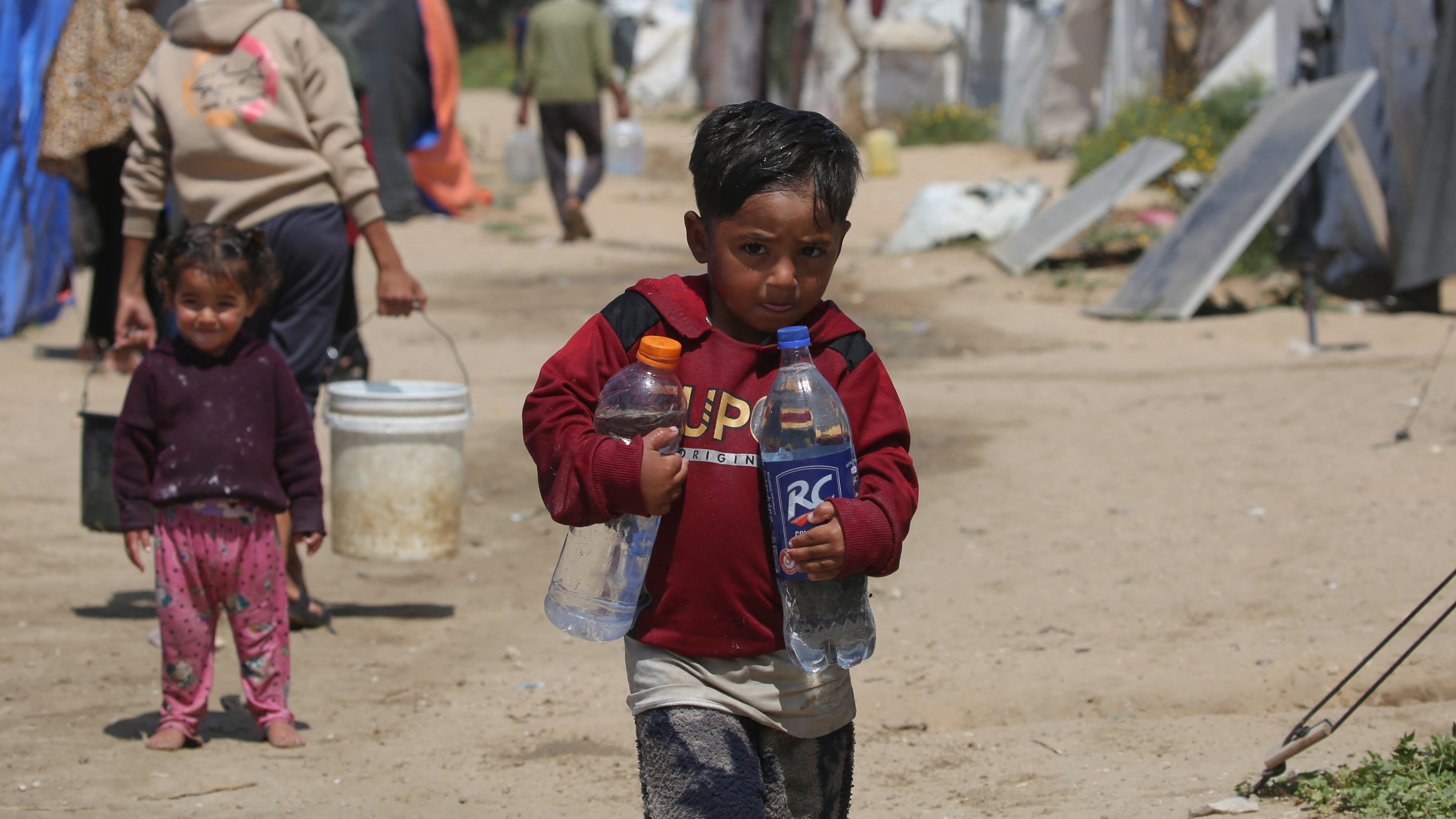
Doctors Without Borders (MSF) has accused Israel of using water as a weapon against Palestinians during what it described as genocide in Gaza. In a report released on Tuesday, the organization confirmed that Israel is systematically depriving the besieged enclave of water, labeling it a "collective punitive campaign."
The report noted that the water shortage has been deliberately imposed alongside ongoing displacement, destruction, and killings, including targeting individuals attempting to access water. The report, titled "Water as a Weapon: Destruction and Impoverishment of Water and Sanitation in Gaza," is based on medical data, testimonies, and field interviews.
Details of the Incident
In one instance, Hanan, a Palestinian woman from Gaza City, reported that her grandson was killed while trying to obtain drinking water in July. She stated, "He was standing in line with other children and was shot by Israeli forces. He was 10 years old. Accessing water should not be a danger."
According to Claire San Filippo, MSF's emergency director, Israeli authorities "know that life ends without water; however, they have systematically destroyed the water infrastructure in Gaza while continuously preventing the entry of water-related supplies." Nearly 90% of the water and sanitation infrastructure in the enclave has been damaged or destroyed since the Israeli attacks began in October 2023.
Background & Context
Historically, Gaza has witnessed repeated conflicts that have led to a deterioration of humanitarian conditions. Since 2007, Israel has imposed a suffocating blockade on the enclave, exacerbating humanitarian crises, including water shortages. International reports have shown that water in Gaza is unsafe for drinking, with residents heavily reliant on unsafe water sources.
Conditions are worsening as Israeli attacks continue, with residents facing daily struggles to access water, including distant and unsafe collection points, irregular supplies, difficult physical conditions, exorbitant prices, and restrictions on the entry of essential materials.
Impact & Consequences
These conditions represent a "perfect storm" for the spread of diseases, as harsh living conditions, severe overcrowding, and the collapse of the healthcare system contribute to outbreaks. Human rights organizations have warned that these policies constitute a blatant violation of international law, necessitating intervention from the international community.
Israeli attacks on Gaza persist, with Israeli forces continuing to carry out airstrikes, gunfire, and shelling, violating the ceasefire agreement reached in October. On Tuesday, five people, including two children, were killed in strikes on Gaza City and Khan Younis.
Regional Significance
The situation in Gaza directly affects security and stability in the Arab region. The continuation of these violations could escalate tensions and increase feelings of resentment in Arab countries towards Israeli policies. Moreover, the humanitarian crises in Gaza require urgent responses from Arab nations and the international community to support Palestinian rights.
In conclusion, the use of water as a weapon in armed conflicts is a gross violation of human rights, and the international community must take immediate steps to end these practices and protect civilians in Gaza.