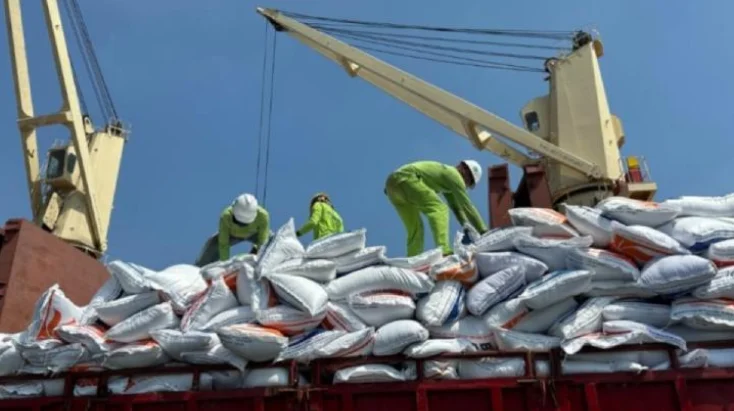
Ahmad Rizal Ramdhani, the director general of the Indonesian Bulog company, announced a significant achievement in food security, reaching 1.6 million tons of rice by April 5, 2026. This achievement is part of the Indonesian government's efforts to secure 4 million tons of rice throughout the year, reflecting the country's commitment to achieving self-sufficiency in food.
During a working meeting with the Agriculture Committee in the Indonesian Parliament, Ramdhani confirmed that this figure represents the highest level of food supplies in Indonesia's history, as numbers typically fall below 1 million tons during the same period. He regarded this achievement as evidence of the effectiveness of government policies and cooperation among various stakeholders.
Details of the Achievement
Ramdhani clarified that this achievement would not have been possible without the fruitful collaboration between the government and farmers, as joint efforts expedited the process of receiving rice from farmers across different regions. He also noted that these figures reflect the success of strategies implemented to enhance local production.
Moreover, Ramdhani pointed out that Bulog plays a vital role in maintaining the government's rice reserves, which currently stand at approximately 4.59 million tons. This reserve is an essential part of the government's strategies to ensure price stability and meet market needs.
Background & Context
Historically, Indonesia has faced significant challenges in food security, heavily relying on imports to meet its rice needs. However, the government has been implementing strategies for several years aimed at boosting local production and achieving self-sufficiency. These strategies align with the Indonesian constitution, which emphasizes the importance of state control over essential resources.
Indonesia is one of the largest rice-producing countries in the world, yet climate change and economic challenges have negatively impacted production. Therefore, achieving this figure is a crucial step towards sustainable food security.
Impact & Consequences
This achievement has positive implications for the Indonesian economy, contributing to price stability and enhancing the country's ability to face food crises. Additionally, this success reflects the government's capacity to implement its policies efficiently, thereby boosting confidence in the national economy.
Furthermore, this achievement may encourage more investments in the agricultural sector, leading to improved infrastructure and enhanced productivity. It also highlights the importance of collaboration between the government, the private sector, and farmers in achieving national goals.
Regional Significance
Although Indonesia is geographically distant from the Arab world, its success in achieving food security can serve as a model for Arab countries facing similar challenges. Many Arab nations depend on imports to meet their food needs, making it essential to enhance local production.
Arab countries can benefit from Indonesia's agricultural experiences, especially in light of climate changes affecting agricultural production in the region. Cooperation between Arab nations and Indonesia in this field could contribute to achieving regional food security.
In conclusion, achieving 1.6 million tons of rice in Indonesia is an important milestone in enhancing food security, reflecting the ongoing efforts of the government and farmers. This success can serve as an impetus for other countries, including Arab nations, to boost their local production and achieve self-sufficiency.