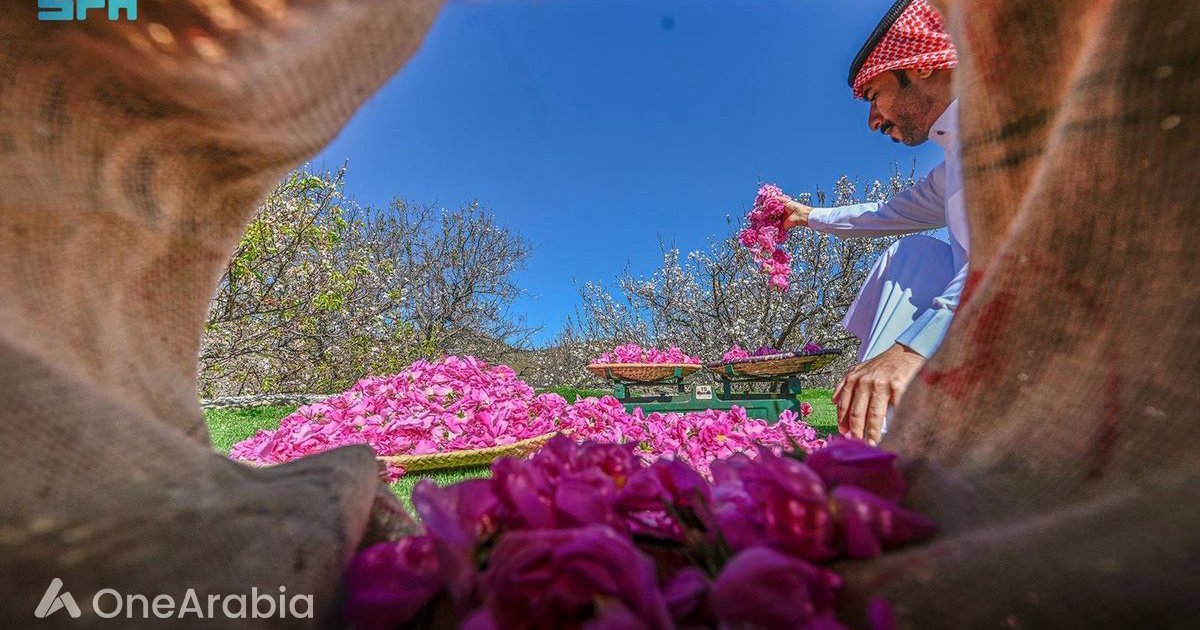
The Saudi RIF Association announced that the rose sector in Taif has achieved an annual growth exceeding 15%, reflecting a rise in global demand for these flowers. This growth has also led to a noticeable improvement in farmers' incomes, enhancing Taif's status as a major center for rose production.
This growth comes at a time when the global market is witnessing an increase in demand for natural agricultural products, including roses, which are used in the perfume and cosmetics industries. The association's efforts have contributed to boosting production and improving product quality, making Taif a preferred destination for investors in this sector.
Event Details
Reports indicate that the RIF Association has provided technical and financial support to farmers, helping them improve farming methods and increase productivity. Workshops and training courses have been organized to familiarize farmers with the latest techniques in rose cultivation, which has contributed to raising quality standards.
Taif is considered one of the most prominent regions in the Kingdom of Saudi Arabia known for rose cultivation, benefiting from fertile soil and a suitable climate. This has led to increased interest from local and international investors seeking to capitalize on the opportunities available in this sector.
Background & Context
Historically, rose cultivation in Taif has been part of the region's cultural heritage, with flowers used in social and religious occasions. Over time, this cultivation has evolved into an important economic source, especially with the rising demand for roses in global markets.
The Kingdom of Saudi Arabia aims to diversify its economy and reduce dependence on oil, making support for agricultural sectors like rose cultivation vital. The government has launched several initiatives to support farmers and enhance local production, contributing to achieving the goals of Vision 2030.
Impact & Consequences
The growth in the rose sector in Taif is a positive indicator of the local agriculture's ability to compete in global markets. Additionally, improving farmers' incomes contributes to enhancing economic and social stability in the region.
This growth is expected to create new job opportunities, helping to reduce unemployment rates in rural areas. Furthermore, the increased demand for local products may prompt the government to boost investments in agricultural infrastructure.
Regional Significance
The success of the rose sector in Taif highlights the importance of sustainable agriculture in boosting the local economy. Taif's experience can serve as a model for other Arab countries looking to develop their agricultural sectors.
Moreover, this growth reflects the general trend in the region towards enhancing local production and reducing reliance on imports, contributing to food security and sustainable development.
In conclusion, the growth in the rose sector in Taif is a positive step towards achieving economic and social development, reflecting the efforts made to support farmers and enhance local production.