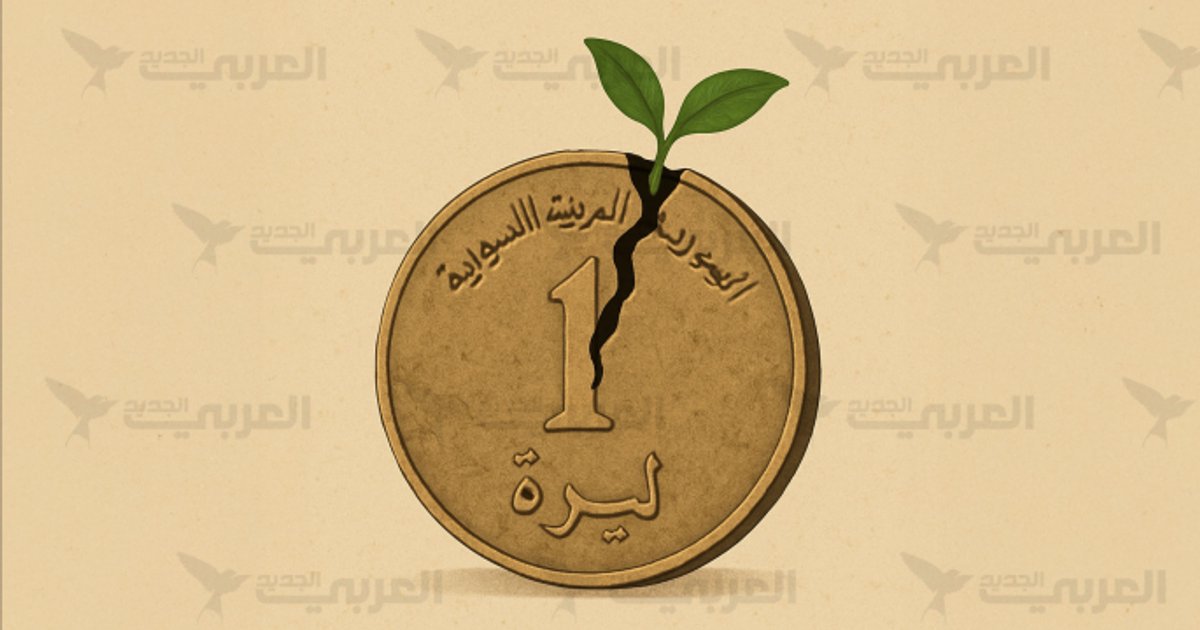
Syrian President Ahmad al-Shara announced a remarkable economic growth rate of 30-35% for the past year, reflecting a significant increase in the GDP. These figures come at a time when the Syrian economy is facing numerous challenges, raising questions about the extent to which these numbers translate into the daily economic reality for citizens.
Amid the difficult economic conditions the country is experiencing, the question arises as to how such substantial growth was achieved. Official figures may not necessarily reflect the living conditions of citizens, who are struggling to secure their basic needs. Nevertheless, these numbers may open the door for discussions regarding the economic policies implemented in the country.
Details of the Announcement
During a meeting with several economists and investors, President al-Shara announced that the economic growth rate for 2025 is projected to be between 30% and 35%. He also pointed to an increase in the GDP, indicating improvements in certain economic sectors. These figures emerge at a sensitive time, as the Syrian regime seeks to attract foreign investments and boost economic growth amid imposed sanctions.
Notable sectors that have experienced significant growth include agriculture and industry, where several projects have been implemented to enhance productivity and create job opportunities. However, the biggest challenge remains how to sustain this growth amid the multiple crises facing the country.
Background & Context
Historically, the Syrian economy has experienced significant fluctuations due to the ongoing conflict since 2011, which has led to the deterioration of infrastructure and a decline in production. Despite this, the Syrian government has taken numerous steps in recent years to attempt to rebuild the economy, including improving the business environment and providing incentives for investors.
These figures are part of the government's strategy to highlight the positive aspects of the economy in an effort to boost confidence among citizens and investors. However, the challenge remains how to translate this growth into tangible results on the ground.
Impact & Consequences
If the figures announced by President al-Shara are accurate, they could have a positive impact on the Syrian economy, potentially contributing to improved living conditions for citizens. However, it remains essential to monitor how economic policies are implemented and their ability to achieve tangible results.
The challenges facing the Syrian economy include corruption, resource shortages, and international sanctions, making it difficult to achieve sustainable growth. Therefore, success in realizing these figures requires genuine efforts from the government and civil society.
Regional Significance
The economic figures in Syria serve as an important indicator for many Arab countries facing similar economic challenges. If the Syrian government can achieve sustainable growth, it may serve as a model for other countries in the region.
At the same time, these figures should prompt consideration of how to improve economic cooperation among Arab countries, especially given the difficult economic conditions faced by the region as a whole.
In conclusion, the economic figures announced by President al-Shara remain a focal point for interest and analysis, reflecting the government's hopes for improving the economic situation, but they also raise questions about how to achieve these numbers amid current challenges.