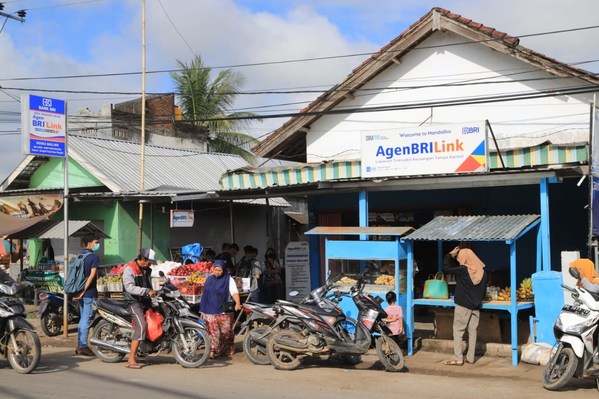
PT Bank Rakyat Indonesia (Persero) Tbk has achieved a significant milestone with the number of BRILink agents surpassing 1.18 million by the end of March 2026. This extensive network covers 66,450 villages, indicating that over 80% of villages in Indonesia benefit from these financial services.
This initiative is part of the bank's efforts to enhance its role in providing financial services to local communities. Ahmad Purwakajaya, the head of the small banking services department at the bank, confirmed that the BRILink network has become a primary channel for meeting the financial transaction needs of citizens.
Details of the Initiative
The BRILink network offers a variety of financial services, including money transfers, bill payments, and the purchase of digital products such as top-up cards, in addition to deposit and cash withdrawal services. These offerings contribute to accelerating financial operations, thereby supporting ongoing economic activity within local communities.
During the first quarter of 2026, the BRILink network recorded a transaction volume of 420 trillion rupiah, reflecting significant activity in transactions. These activities have also contributed to enhancing the bank's fee-based income, which reached 459 billion rupiah.
Background & Context
Founded in 1895, Bank Rakyat Indonesia is one of the leading banks in Indonesia. Over the years, the bank has expanded its services to meet the needs of the local community, contributing to the promotion of financial inclusion. The BRILink network is part of this strategy, aiming to empower communities to access financial services easily.
Financial inclusion is a critical issue in Indonesia, where the bank seeks to bridge the gap between urban and rural areas in accessing financial services. This expansion of the BRILink network represents an important step towards achieving this goal.
Impact & Consequences
The increase in the number of BRILink agents reflects the bank's success in promoting financial inclusion, allowing more people to access essential financial services. This has a positive impact on the local economy, facilitating financial transactions for individuals and small businesses.
Additionally, this network contributes to raising financial awareness among citizens, enhancing their ability to manage their finances better. By providing easily accessible financial services, the bank can play a pivotal role in improving the economic conditions of local communities.
Regional Significance
Although this news pertains to Indonesia, the experience can serve as an inspiration for Arab countries seeking to enhance financial inclusion. In many Arab nations, challenges remain in accessing financial services, particularly in rural areas.
Arab countries can benefit from the BRILink model to expand their financial services, contributing to improved economic conditions and fostering growth in local communities.
The success achieved by Bank Rakyat Indonesia through the BRILink network highlights the importance of innovation in delivering financial services. This model can serve as a benchmark for many countries, including Arab nations, to promote financial inclusion and achieve sustainable development.