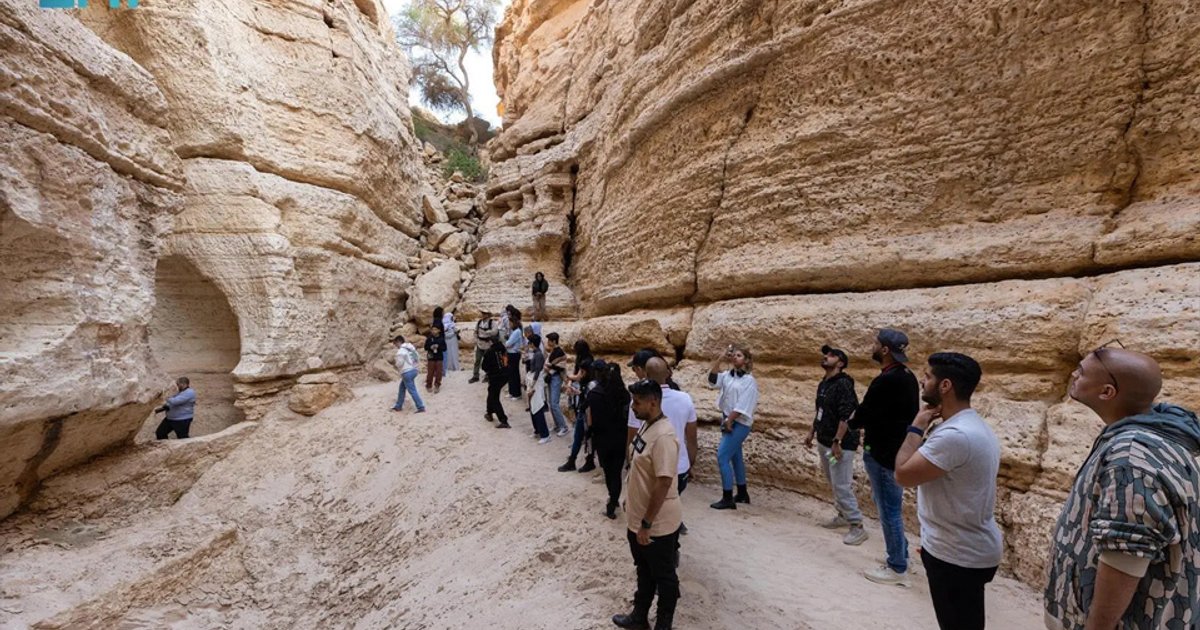
The season of Al-Urumah has achieved a remarkable milestone in the field of eco-tourism, attracting over 1.7 million visitors during its events. This success comes at a time when the importance of sustainable tourism is increasing, reflecting the global trend towards environmental conservation and enhancing tourism experiences that respect nature.
The events of the Al-Urumah season included a diverse range of activities aimed at raising environmental awareness, such as exploratory trips, workshops, and art exhibitions. These activities not only attracted tourists but also contributed to enhancing local culture and providing a unique experience for visitors.
Event Details
The Al-Urumah season was held in an area rich in biodiversity, with events designed to be environmentally compatible. Reports indicated that visitors enjoyed unique experiences, such as camping in nature, visiting nature reserves, and participating in traditional agricultural activities.
Cultural and artistic events were also organized, where local artists showcased performances reflecting the cultural heritage of the region. This diversity in activities helped attract different categories of visitors, including families and youth, reflecting the season's success in achieving its goals.
Background & Context
Eco-tourism is one of the growing trends worldwide, as many tourists seek new experiences that allow them to connect with nature. In recent years, many countries in the Arab region have begun to focus on developing sustainable tourism, reflecting the increasing awareness of the importance of environmental conservation.
The Al-Urumah season serves as a model in this context, representing an opportunity to promote sustainable tourism in the region. This trend aligns with global efforts to address environmental challenges, such as climate change and biodiversity loss.
Impact & Consequences
The success of the Al-Urumah season may open doors for more similar events in the future, enhancing the region's status as a leading destination in eco-tourism. This success could also encourage local governments to invest in other sustainable tourism projects.
Moreover, this success can lead to increased environmental awareness among visitors, contributing to fostering a culture of environmental conservation in local communities. This type of tourism can have a positive impact on the local economy by creating new job opportunities and enhancing economic activities related to tourism.
Regional Significance
The success of the Al-Urumah season is considered a positive step towards promoting sustainable tourism in the Arab region. This experience can inspire other countries in the region to adopt similar strategies aimed at enhancing eco-tourism.
Additionally, this success reflects the importance of collaboration between the public and private sectors in developing sustainable tourism projects, contributing to achieving sustainable development. In light of increasing environmental challenges, promoting eco-tourism can have a significant impact on the region's future.