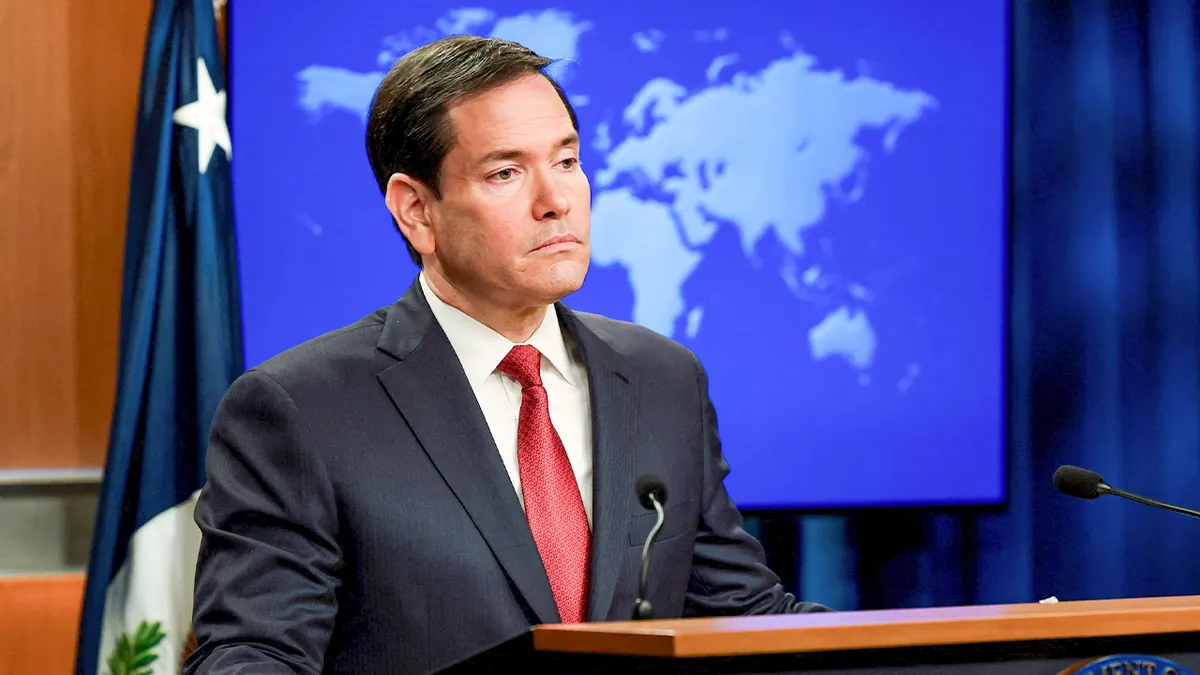
US Senator Marco Rubio disclosed that the United States is achieving its objectives in Iran without the need for ground troop deployments, indicating that a resolution on this issue may occur within a few weeks. These statements come at a time when the region is experiencing increasing tensions, raising questions about the US strategy in the Middle East.
Rubio, who serves as a member of the Senate Intelligence Committee, confirmed that the military operations conducted by the United States rely on advanced technologies and precise intelligence operations, thereby reducing the need for traditional military interventions. He clarified that this strategy aims to undermine Iranian influence in the region without incurring American casualties.
Details of the Event
Rubio's remarks come at a sensitive time, as fears grow regarding the escalation of Iranian military activities in the region, including its support for armed militias in Iraq and Syria. Rubio noted that the United States is working to enhance its intelligence capabilities and collaborate with its allies in the Middle East to counter Iranian threats.
He also confirmed that there is close coordination with Gulf Arab states to address the security challenges posed by Iran, emphasizing the importance of collective action in this context. These statements are part of a broader strategy aimed at containing Iranian influence in the region.
Background & Context
Historically, the United States has adopted traditional military strategies in the Middle East, but geopolitical changes in recent years have prompted a reevaluation of these strategies. Following the US withdrawal from Afghanistan, the focus on Iran has become more pronounced, as Washington views it as a major threat to regional stability.
Over the past years, the United States has imposed strict economic sanctions on Iran, impacting its economy and leading to a decline in its influence in certain areas. However, Iran continues to play a significant role in regional conflicts, making it essential for the United States to develop new strategies to confront it.
Impact & Consequences
The new US strategy could lead to significant changes in the balance of power in the Middle East. If the United States succeeds in achieving its objectives without the need for traditional military interventions, it may encourage other countries to adopt a similar approach in dealing with regional threats.
However, this strategy may face substantial challenges, including potential Iranian reactions, which could involve escalating military activities or supporting militias in the region. There are also concerns that this strategy could exacerbate humanitarian conditions in conflict-affected areas.
Regional Significance
The Arab states in the Gulf are among those most affected by tensions between the United States and Iran. As pressures on Iran increase, these countries may find themselves in a difficult position, needing to balance support for their American ally while containing tensions with Iran.
Furthermore, there are fears that any escalation in the conflict could have negative repercussions on security and stability in the region, which could reflect on local economies and increase civilian suffering.
In conclusion, developments in this file remain under scrutiny, as the world looks to see how the new US strategy will impact the situation in Iran and the Middle East as a whole.