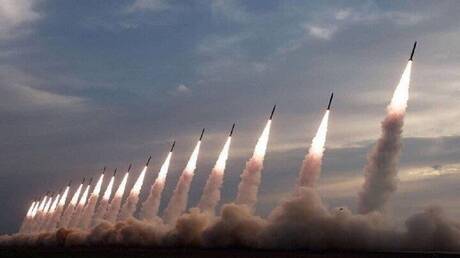
In provocative statements, former Israeli Prime Minister Ehud Barak asserted that the evaluation of the war against Iran so far is largely based on hopes rather than well-considered strategies. Barak indicated that the current situation necessitates a reevaluation of Israeli leadership, warning that Netanyahu's continued rule could hinder any genuine efforts to achieve victory.
Barak, who served as Prime Minister during a critical period in Israel's history, added that the absence of a clear strategic mindset in dealing with Iranian challenges complicates the achievement of desired objectives. He believes that the current situation calls for new leadership capable of devising a comprehensive plan to confront regional threats.
Details of the Statements
Barak's remarks come at a time when tensions between Israel and Iran are escalating, with growing concerns over the Iranian nuclear program and its implications for regional security. He pointed out that the current government lacks a clear strategic vision, placing Israel in a vulnerable position against increasing challenges.
He also called for the unification of Israeli efforts to confront Iran, emphasizing the importance of collaborating with international allies in this context. Barak affirmed that victory in this war requires more than just military strength; it also necessitates effective diplomatic strategies.
Background & Context
Historically, relations between Israel and Iran have been tense, especially following the Iranian Revolution in 1979. Since then, Iran has regarded Israel as a primary enemy, leading to heightened military and political tensions between the two nations. Recent years have seen an escalation in Iranian military activities, including the development of its nuclear program, raising significant concerns in Tel Aviv.
Under these circumstances, many Israeli leaders feel an urgent need for a change in the political leadership of the country. Barak is considered one of the most prominent voices advocating for this change, as he believes Netanyahu is no longer capable of effectively addressing current challenges.
Impact & Consequences
If the situation continues as it is, it may exacerbate crises in the region. Many observers fear that the lack of a clear strategy could lead to an undesirable military escalation, negatively impacting regional security.
Moreover, ongoing tensions may affect Israel's relations with Western countries, especially amid increasing international pressure to curb Iranian nuclear activities. This could have significant implications for Israeli foreign policy in the future.
Regional Significance
Developments in Israeli-Iranian relations are of great importance to the Arab region. Any escalation in the conflict between the two countries could have negative repercussions on neighboring states, including increased tensions in Lebanon and Syria.
The situation may also impact peace efforts in the region, as Arab countries may find themselves compelled to deal with the fallout from any potential conflict. Thus, stability in Israeli-Iranian relations is vital for regional security.
In conclusion, Barak's statements highlight the importance of strategic thinking in addressing regional challenges. The need for new leadership in Israel appears more urgent than ever.