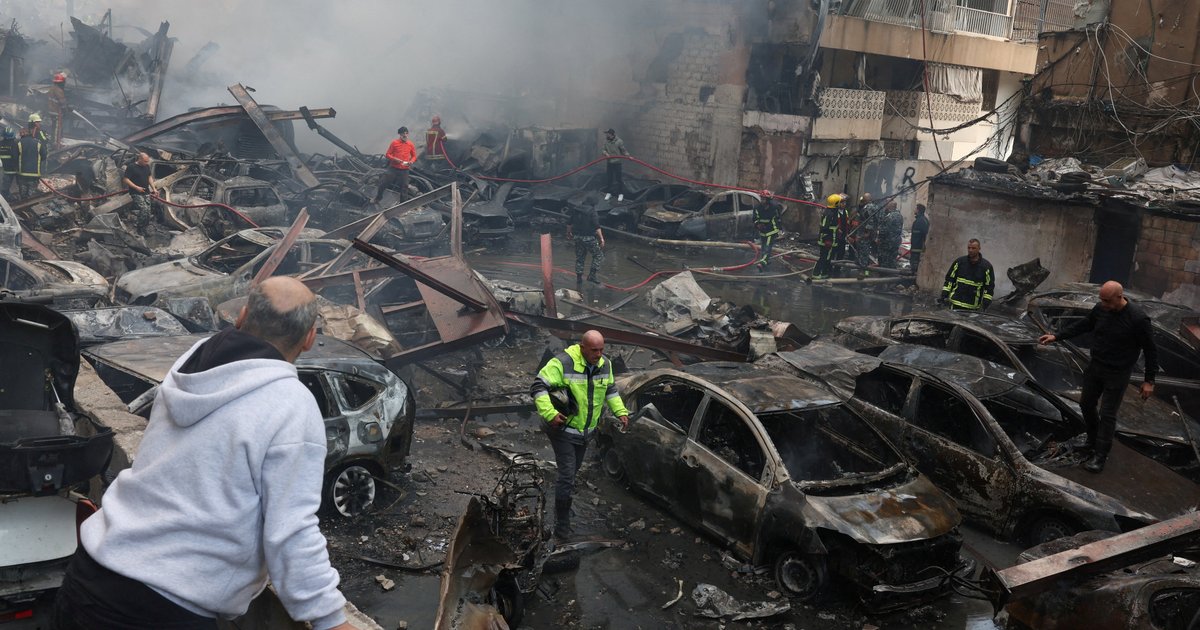
Iranian media reports indicate that air defenses in the capital Tehran have been activated, reflecting the Iranian authorities' concerns over potential threats. This action comes at a sensitive time, as a two-week ceasefire agreement between the United States and Iran has been reached, which has begun to show signs of tension and pressure.
The activation of air defenses reflects the Iranian authorities' worries about any potential threats, especially given the tense atmosphere surrounding relations between Tehran and Washington. Recent events have shown that the ceasefire was not sufficient to alleviate security fears, prompting Iran to take precautionary measures.
Details of the Activation
The activation of air defenses in Tehran follows a series of exchanged statements between both sides, where Iran has repeatedly affirmed its readiness to confront any threats. Meanwhile, the United States has expressed concern over Iranian military activities, complicating the situation further.
Despite the ceasefire, the situation in the region remains fragile, with fears of a potential escalation increasing. Some observers have noted that this step may serve as a message from Iran to its adversaries, indicating that it will not relent in protecting its sovereignty and security.
Background & Context
Historically, relations between Iran and the United States have witnessed increasing tensions since the Islamic Revolution in 1979. Since then, there have been numerous crises that have led to escalating situations, including economic sanctions and military threats. In recent years, tensions have notably escalated following the United States' withdrawal from the Iranian nuclear agreement in 2018, raising concerns within the international community.
Impact & Consequences
The activation of air defenses in Tehran could have significant implications for regional security. Increased tensions between Iran and the United States may lead to military escalation, affecting the stability of the entire region. Additionally, this move could impact Iran's relations with neighboring countries, as some nations may feel alarmed by the rise in Iranian military activities.
Regional Significance
The activation of air defenses in Tehran reflects the ongoing tensions between Iran and the United States, which could have repercussions for regional security. As the situation evolves, the potential for military confrontation remains a concern, particularly for neighboring Arab states that may be drawn into the conflict.
In conclusion, the activation of air defenses in Tehran underscores the persistent security challenges facing Iran and the broader implications for regional stability amidst ongoing geopolitical tensions.