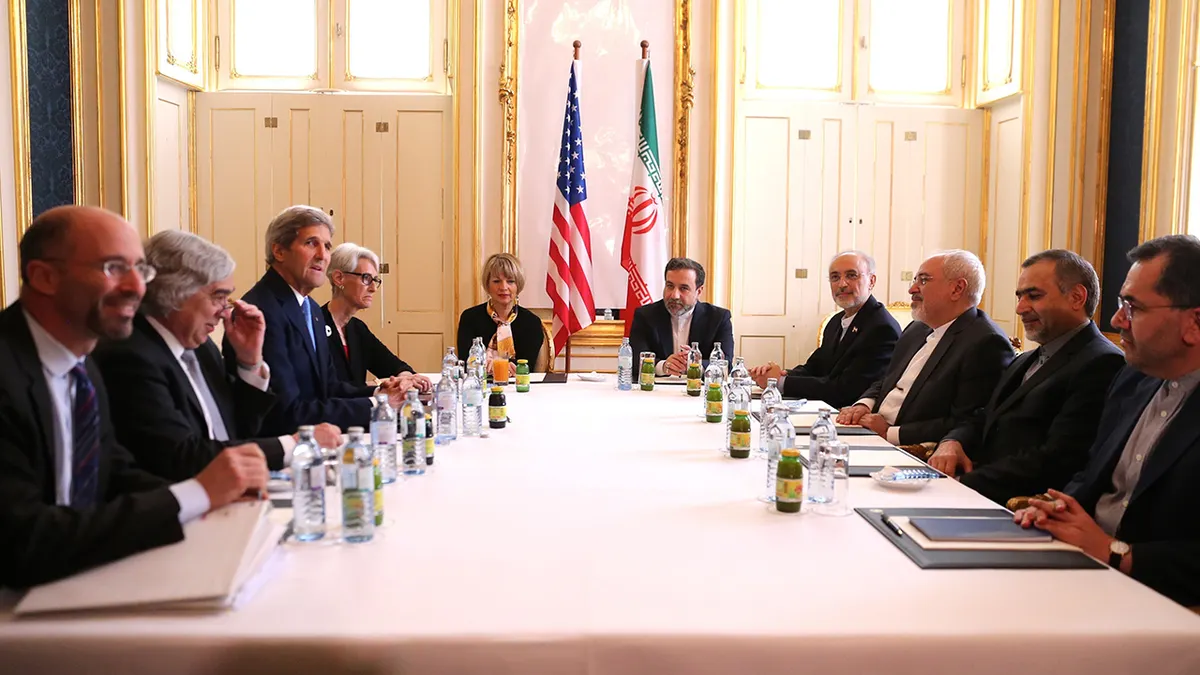
Jordan's Foreign Minister Ayman Safadi emphasized the necessity of activating diplomacy as a means to end the ongoing conflict in Iran. He affirmed that dialogue is the only way to achieve peace and stability in the region, highlighting the importance of international cooperation in this context.
Safadi's statements came during a press conference held in the capital Amman, where he pointed out that the multiple crises facing Iran directly impact regional security. He explained that military solutions would only exacerbate the situation, necessitating serious diplomatic action.
Details of the Event
Safadi's call comes at a time when the Middle East is witnessing increasing tensions, especially following the escalation of conflicts in several countries such as Iraq and Syria. He affirmed that Jordan welcomes any international efforts aimed at achieving peace in the region, indicating that diplomacy should be the first option in addressing crises.
He also noted that Jordan is ready to participate in any initiatives aimed at enhancing dialogue among the concerned parties, stressing the importance of involving all stakeholders in the political process.
Background & Context
Historically, Iran has experienced numerous internal and external crises that have affected the stability of the region. Since the Islamic Revolution in 1979, Iran has become a key player in regional politics, leading to conflicts with other countries such as Saudi Arabia and Israel.
In recent years, tensions between Iran and the United States have escalated, particularly after Washington's withdrawal from the nuclear agreement in 2018. These tensions have contributed to the intensification of conflicts in the region, highlighting the urgent need for diplomatic solutions.
Impact & Consequences
The ongoing conflict in Iran has significant implications for regional and international security. Continuous tensions could lead to worsening humanitarian crises, an increase in displaced persons, and a deterioration of economic conditions in neighboring countries.
Moreover, any military escalation could lead to external interventions, complicating the situation further. Therefore, Safadi's call to activate diplomacy represents an important step towards achieving stability in the region.
Regional Significance
Crises in Iran directly affect Arab countries, as many share borders or economic interests with Iran. Thus, achieving peace in Iran could contribute to improving conditions in countries such as Iraq, Syria, and Lebanon.
Furthermore, Iran's stability could enhance cooperation among Arab countries, leading to economic and social development in the region. Consequently, Safadi's call represents a genuine opportunity to work towards a better future for the region.