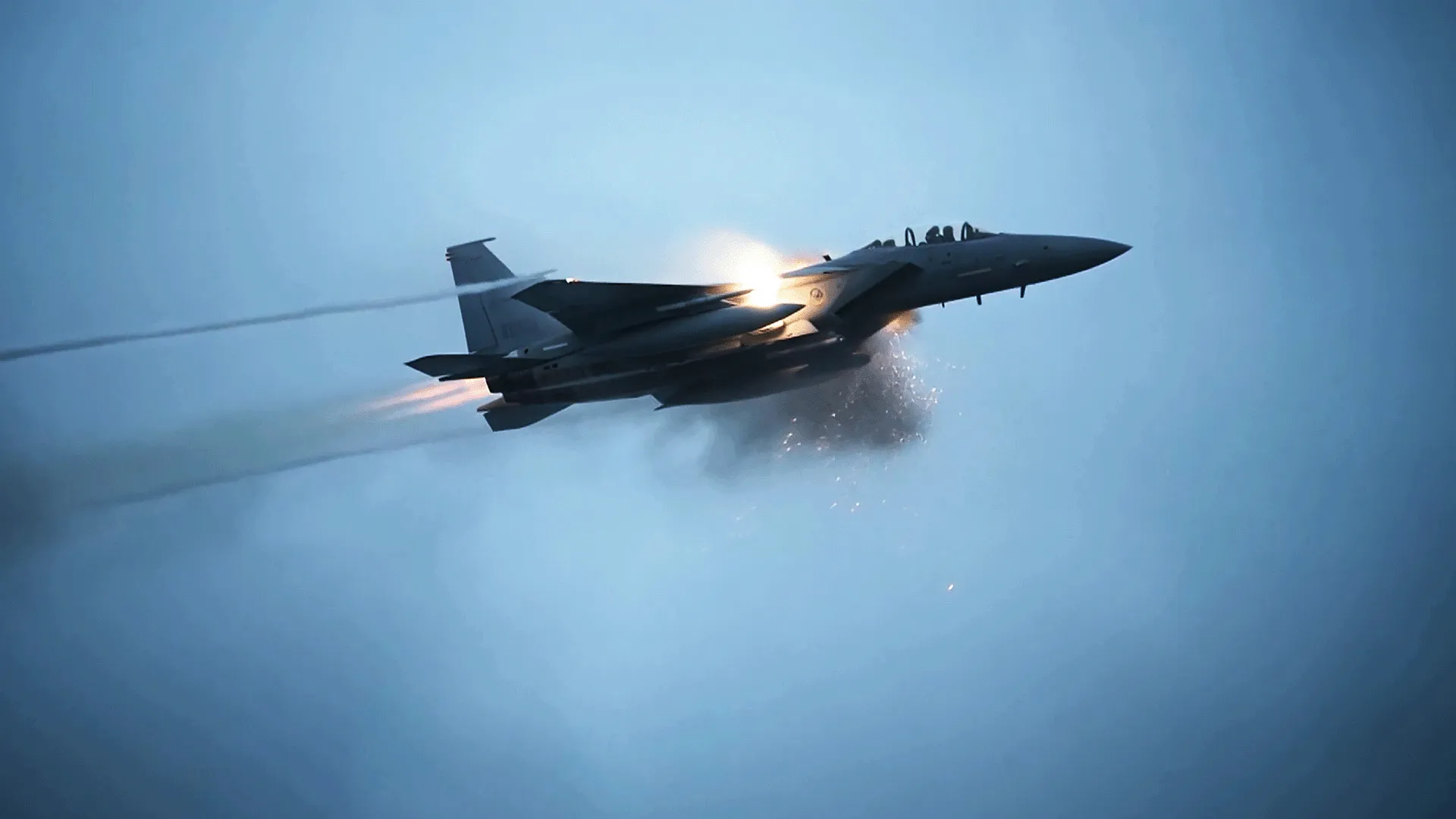
When a fighter jet crashes in hostile territory, a precise military protocol is activated aimed at rescuing the pilot or crew and protecting sensitive technical secrets. In the initial moments after the crash, the aircraft's seat equipped with an alarm system sends the coordinates of the crash site via encrypted communication channels, facilitating rapid access to the pilot.
These operations are considered an essential part of modern military strategies, where elite teams are prepared to conduct search and rescue operations, supported by military helicopters and fighter jets to secure air cover. This coordination between air forces and ground teams reflects the importance of rapid response in such critical situations.
Details of the Event
Upon an aircraft crash, immediate action begins on several fronts. First, the crash site is accurately located using the Global Positioning System (GPS) embedded in the aircraft. Subsequently, rescue teams trained to handle such situations are dispatched, including elements from special forces and search and rescue units.
The operation also involves the use of drones to monitor the area surrounding the crash site, aiding in assessing the situation and identifying potential risks. Simultaneously, fighter jets are sent to provide air cover, ensuring the safety of the rescue teams during their mission.
Background & Context
Historically, pilot rescue operations required significant time and effort, but with technological advancements, these operations have become more efficient. In modern warfare, rescuing pilots is a vital part of military strategy, as the loss of pilots can lead to the loss of sensitive information and advanced technologies.
It is noteworthy that many countries have developed their own protocols for handling aircraft crashes, reflecting the importance of maintaining the confidentiality of military and technical information. These protocols also include cooperation with international allies in some cases, enhancing the chances of successful rescue operations.
Impact & Consequences
The success of pilot rescue operations can have a significant impact on the morale of armed forces. When pilots feel that there is a clear plan for their rescue, it enhances their ability to perform their missions more efficiently. Conversely, failure to rescue pilots can lead to negative consequences at both military and political levels.
Additionally, protecting technical secrets is of utmost importance, as information that may be obtained from pilots or lost aircraft can be used by the enemy to develop counter-strategies.
Regional Significance
In the Arab region, where some countries are experiencing armed conflicts, the importance of these protocols is even more pronounced. With increasing military tensions, pilot rescue operations become a fundamental part of defensive strategies. Countries with advanced technologies in this field may be able to enhance their military capabilities and increase their ability to face challenges.
In conclusion, pilot rescue operations following fighter jet crashes remain a vital topic that requires high coordination among various military forces, reflecting technological advancements in the defense sector. The success of these operations can have far-reaching effects on security and stability in the region.