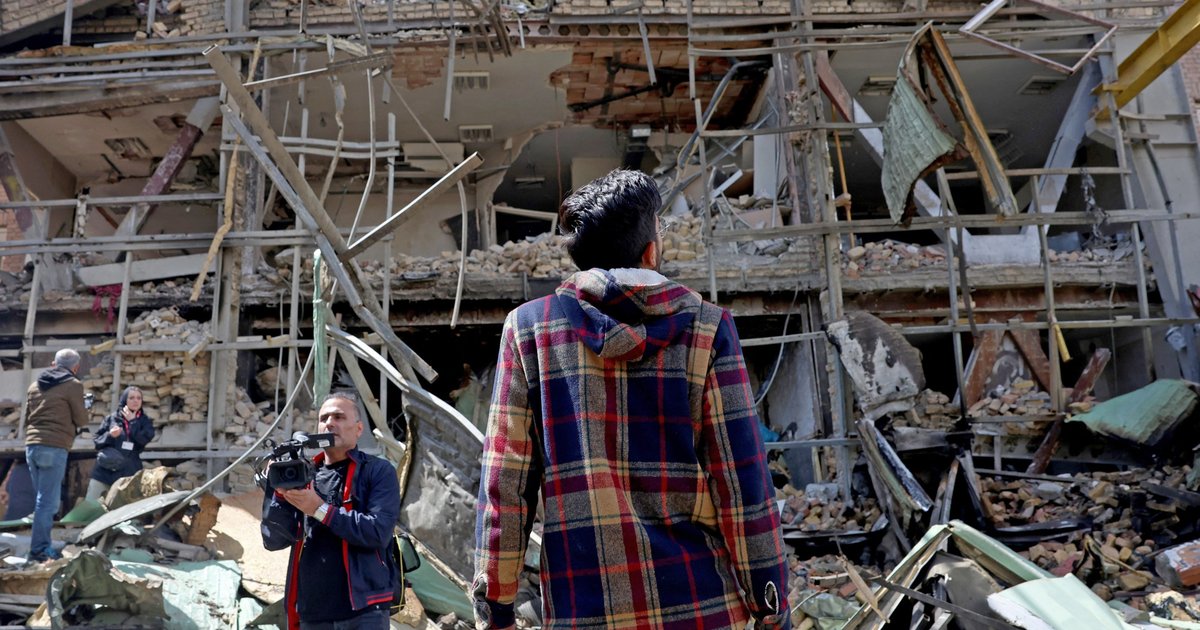
The Israeli Home Front Command has announced the activation of sirens in several areas of the country after detecting a drone attack coming from Lebanon. This announcement comes at a sensitive time, as reports have also revealed an Iranian missile attack targeting the cities of Jerusalem and Ashdod, leading to explosions and debris falling in those regions.
These attacks occur amid rising tensions in the region, with reports indicating that drones crossed the border from Lebanon, raising concerns among Israeli authorities. While material damage has been reported, there have been no injuries reported so far, reflecting the tense situation Israel is experiencing under increasing threats from multiple fronts.
Details of the Incident
Simultaneously with the activation of the sirens, Israeli military sources confirmed that the Iranian missile attacks were directly targeting the cities of Jerusalem and Ashdod, reflecting a new offensive strategy from Iran. Images circulated through local media showed scenes of the explosions that occurred in those areas, increasing panic among the residents.
Reports also indicated that Israeli air defenses managed to intercept some of the missiles, contributing to the reduction of damage. However, these events reflect a notable escalation in hostilities between Israel and both Iran and the Lebanese Hezbollah, complicating the security situation in the region.
Background & Context
Historically, relations between Israel and Iran have been extremely tense, with Iran being one of Israel's primary adversaries in the region. Recent years have witnessed an escalation in tensions, especially after Iran bolstered its military presence in Syria and Lebanon, increasing Israeli fears of potential attacks.
Additionally, the Lebanese Hezbollah, considered an ally of Iran, has conducted several military operations against Israel in recent years, leading to heightened tensions along the Lebanese-Israeli border. This historical context underscores the significance of recent events and suggests the possibility of greater escalation in the future.
Impact & Consequences
Analyses suggest that these attacks could lead to military responses from the Israeli side, potentially contributing to an escalation of the situation in the region. Furthermore, these events may affect relations between Israel and Western countries, which are closely monitoring developments.
Moreover, military escalation could impact regional security, possibly leading to interventions from other countries in the area, further complicating the situation. This escalation could have negative effects on the Israeli economy, especially given the current economic conditions.
Regional Significance
The recent events are indicative of rising tensions in the region, which may affect neighboring Arab countries. The increasing tensions between Israel and Iran could have repercussions on regional security, prompting Arab nations to take clear stances regarding these developments.
Additionally, these events may reopen discussions about security and defense strategies in the region, requiring Arab countries to enhance their cooperation to address the growing security challenges. Ultimately, these events remain a focal point of significant interest in the region, with Arab nations closely following the developments.