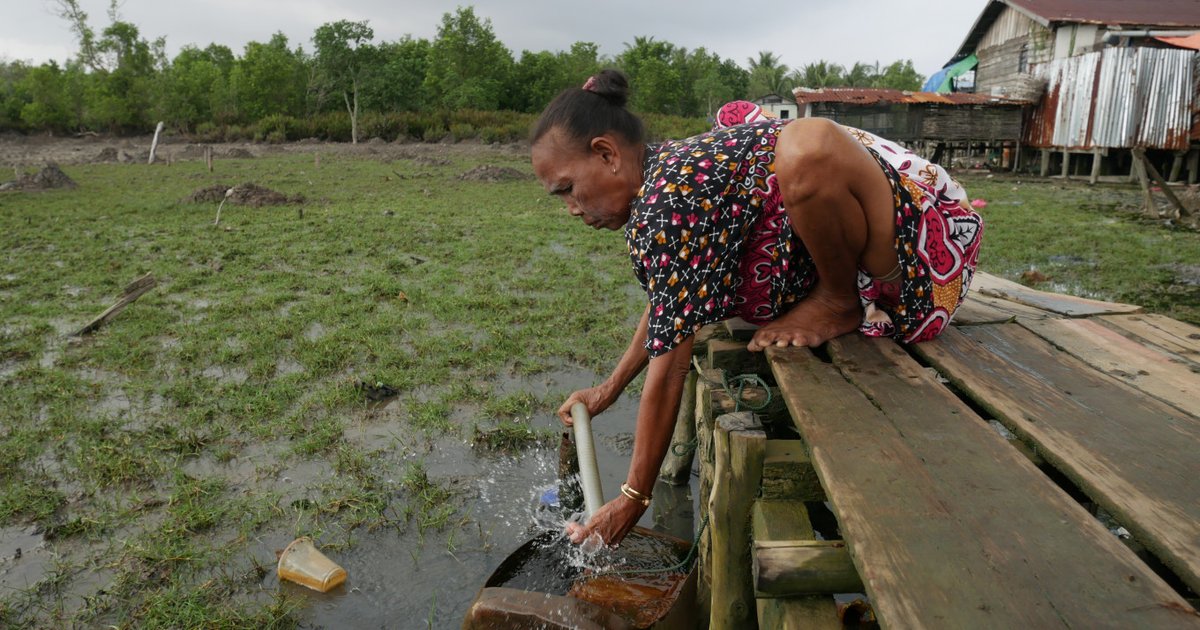
Activists from various communities in Indonesia's capital, Jakarta, are urging an immediate cessation of groundwater use as a crucial step to prevent worsening land subsidence, which threatens to flood the city. They pointed out that excessive groundwater extraction, especially by high-rise buildings, is the primary cause of this alarming phenomenon.
In a statement, Anwar Sgany, head of the Jakarta Residents Association, said, "The phenomenon of land subsidence in Jakarta has reached alarming levels. The intensive use of groundwater, particularly by skyscrapers, significantly accelerates the risk of the city flooding." He confirmed that many buildings, including hotels and apartments, continue to exploit groundwater despite having access to piped water services.
Event Details
Sgany clarified that "many high-rise buildings have access to piped water, yet they still engage in groundwater use," noting that this practice greatly affects water levels, leading to land subsidence. He called on the government not to be content with merely issuing regulations such as Jakarta Governor Regulation No. 5 of 2026 regarding energy and water efficiency in buildings, but to take strict action against violators.
The activists also called for stringent penalties, including the closure of buildings that violate the laws, to ensure the city's protection from flooding risks. In this context, Sumitro, a community figure in Jakarta, emphasized that the quality of groundwater in the city is unfit for consumption, with approximately 95% of groundwater in North and West Jakarta no longer suitable for use even after boiling.
Background & Context
Jakarta is considered one of the most flood-prone cities in the world, facing increasing flood levels due to climate change and groundwater depletion. Historically, the city has experienced a surge in population and rapid urban growth, leading to increased demand for groundwater. However, this excessive use has resulted in land subsidence rates of up to 25 centimeters per year in some areas.
In recent years, the Indonesian government has launched initiatives to improve access to clean water, with PAM Jaya, the agency responsible for water services in Jakarta, aiming to provide clean water to all city residents by 2029. However, challenges remain, as significant efforts are required to reduce reliance on groundwater.
Impact & Consequences
If effective measures are not taken, the continued use of groundwater could exacerbate the flooding problem in Jakarta, threatening the lives of millions of residents. This phenomenon could also impact the local economy, as floods can destroy infrastructure and lead to exorbitant repair costs.
Moreover, the deterioration of groundwater quality could lead to serious health issues for the population, necessitating increased awareness of the risks associated with using contaminated groundwater. The government and civil society must work together to ensure the provision of clean and safe water for all.
Regional Significance
The issue of groundwater depletion and climate change is a common challenge facing many Arab countries. Many Arab cities experience similar problems, as water demand increases with population growth. Therefore, Jakarta's experience may offer valuable lessons for Arab nations on how to manage water resources sustainably.
In conclusion, the situation in Jakarta requires an urgent response from the government and the community, with joint efforts needed to protect the city from flooding and ensure the provision of clean and safe water for its residents.