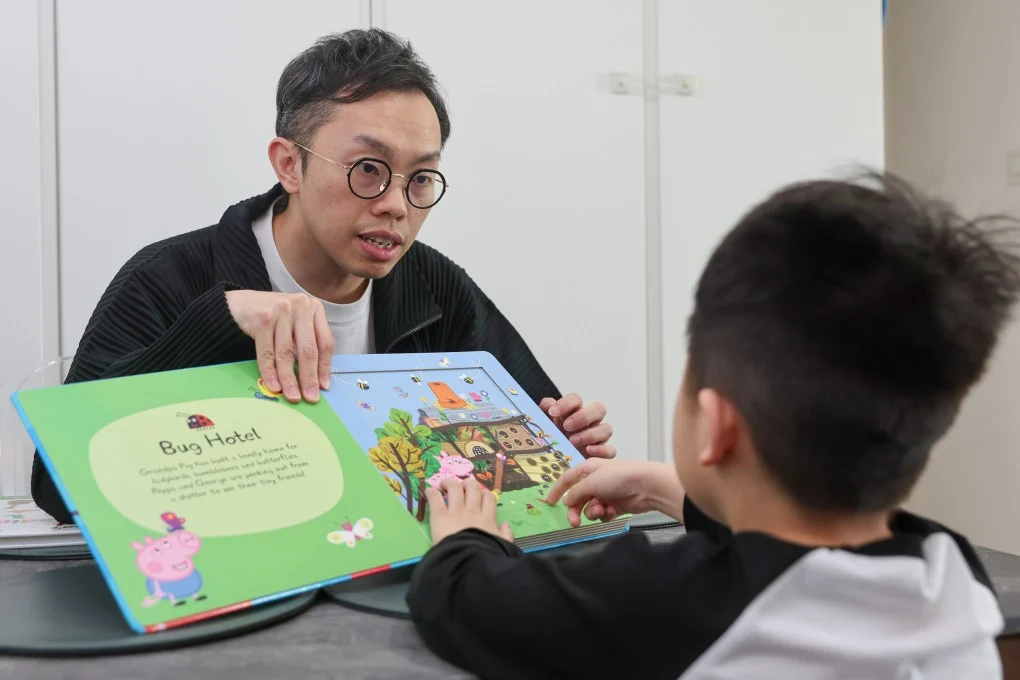
Hong Kong is experiencing a severe shortage of support services for individuals with autism, with many parents, such as Raymond Lam Yiu-Wah, facing significant difficulties in providing the necessary care for their children. Lam, who has a five-year-old son diagnosed with autism at the age of two, describes his experience as a constant source of stress, as his son requires full attention.
With the rising number of autism cases in the city, it is essential to seek effective solutions. Reports indicate that many families struggle to access appropriate support services, increasing the psychological pressure on parents.
Event Details
Statistics show that the number of children with autism in Hong Kong is continuously increasing, necessitating an urgent response from the government and the community. Currently, support services are fragmented and unintegrated, making it difficult for families to obtain the care their children need. Lam demonstrates that his son has not yet spoken in complete sentences, raising concerns about his future.
Some non-governmental organizations are striving to provide support, but there is still an urgent need for more comprehensive interventions from the private sector. Collaboration between the government and the private sector is considered a necessary step to improve the current situation.
Background & Context
Historically, there has not been sufficient attention to autism issues in Hong Kong, with services provided limited to a few government institutions. As awareness about autism has increased, some non-profit organizations have begun to offer support, but this is not enough to meet the growing needs.
In recent years, some private companies have started exploring investment opportunities in autism support services, opening new avenues for improvement. However, much work remains to ensure comprehensive and effective services are provided.
Impact & Consequences
If the private sector can provide the necessary support, it could lead to an improved quality of life for many families. These initiatives could help reduce psychological pressure on parents and create a more supportive environment for children with autism.
Moreover, collaboration between the public and private sectors could lead to the development of specialized training programs, helping to qualify more professionals in this field. This would contribute to enhancing the level of services provided and improve the community's ability to address autism issues more effectively.
Regional Significance
Autism issues are also among the challenges faced by many Arab countries, where many of these nations lack specialized support services. Hong Kong's experience could serve as a model for the region, where Arab countries can benefit from collaboration between the public and private sectors to enhance autism support services.
Raising awareness about autism and providing the necessary resources can make a significant difference in the lives of Arab families. It is important for Arab governments to adopt strategies similar to those implemented in Hong Kong to ensure the necessary support is provided to children and their families.