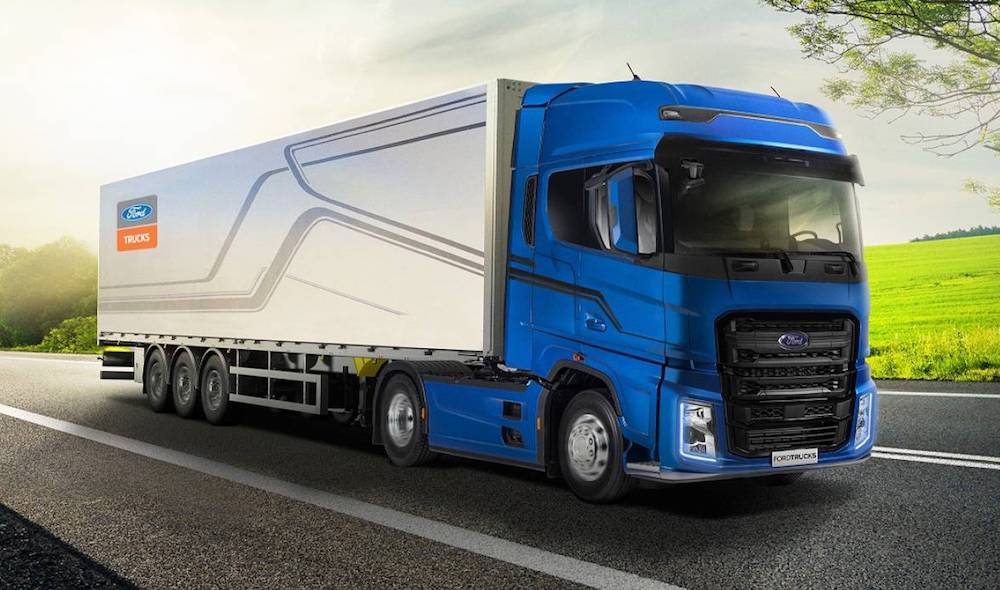
The reports indicate that buyers in Europe are not inclined to purchase large trucks, which poses a major challenge for the American automotive industry. The Ford F-150 is considered one of the best-selling models in the United States, yet this success has not translated into the European market.
While large trucks symbolize strength and capability in the United States, European culture is entirely different, with buyers preferring smaller, more fuel-efficient vehicles. This divergence in preferences places American companies in a difficult position, requiring them to reassess their marketing and production strategies.
Event Details
Reports have indicated that American companies, including Ford and General Motors, are struggling to market their large trucks in Europe. The European market shows less interest in large trucks, making it challenging for American companies to achieve their goals in this market. In contrast, European markets favor small and medium-sized cars that suit daily commuting needs.
Large trucks in the United States are part of a lifestyle, used for business and transport, while in Europe, smaller cars are more suitable for narrow roads and urban environments. This difference in usage complicates the task for American companies looking to expand in the European market.
Background & Context
Historically, large trucks have been seen as symbols of strength and capability in American culture, associated with hard work and endurance. However, increasing environmental trends in Europe, coupled with strict carbon emission regulations, have led to a decline in demand for large trucks.
In recent years, Europe has witnessed a shift towards electric and hybrid vehicles, further complicating the situation for American companies. These vehicles are more fuel-efficient and meet the needs of European consumers who are seeking environmentally friendly options.
Impact & Consequences
Forecasts suggest that the continuation of this trend may result in American companies losing their market share in Europe. These companies must innovate and offer new models that align with the needs of European consumers. Failure to adapt to these changes could expose American companies to intense competition from European firms that provide vehicles that meet market demands.
Moreover, these challenges may impact the American economy as a whole, given that the automotive industry is a vital sector contributing to job creation and economic growth. Therefore, American companies need effective strategies to adapt to changes in the global market.
Regional Significance
In the Arab context, these changes in the American automotive industry may affect local markets, as many Arab countries are major importers of American cars. If American companies continue to face challenges in the European market, it could impact their ability to meet the needs of Arab markets.
Additionally, the shift towards electric vehicles could present an opportunity for Arab countries to invest in this sector, contributing to sustainable development and reducing reliance on fossil fuels.
The challenges facing the American automotive industry in the European market highlight the importance of adaptation and innovation in a rapidly changing world. American companies must be flexible and responsive to consumer needs in various markets, including Arab markets.