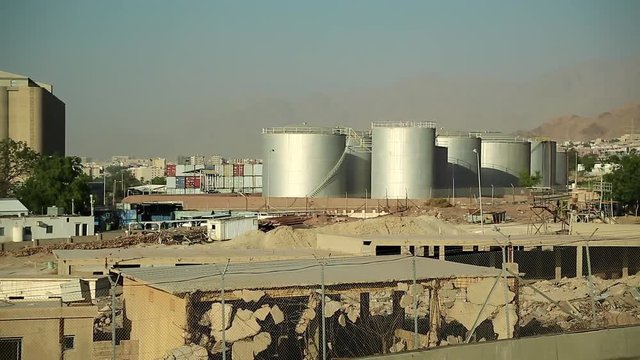
Aqaba, a prominent city in Jordan, is recognized as one of the most important ports in the Middle East, benefiting from a strategic geographical location that allows access to global markets. However, administrative decisions and policies implemented in recent years have led to a decline in its role as a vital commercial hub, raising questions about its future.
Historically, Aqaba has been a meeting point for numerous trade routes, contributing to the enhancement of the Jordanian economy. Yet, current challenges, including inadequate infrastructure and the absence of effective strategies, have adversely affected its ability to compete with other ports in the region.
Current Challenges Facing Aqaba Port
Reports indicate that Aqaba is struggling to attract the necessary investments to develop the port. Despite efforts by the Jordanian government to enhance the maritime sector, the outcomes have not met expectations. Delays in executing vital projects, such as upgrading facilities and expanding capacity, hinder the port's progress.
Moreover, administrative challenges, including bureaucracy and corruption, significantly impact the business environment in Aqaba. These factors make it difficult for investors to make positive decisions regarding investments in the port.
Background & Context
Aqaba was established as a major port in the early 20th century and has played a significant role in maritime trade. Over time, it evolved into an important logistics center in the region. However, political and economic changes in the area, coupled with increasing competition from other ports, have led to a decline in its status.
The Jordanian government is striving to improve the situation by implementing new strategies, but these efforts require time and resources to achieve tangible results. Additionally, regional challenges, such as conflicts and wars in neighboring countries, also affect trade flow through the port.
Impact & Consequences
The decline of Aqaba as a major port extends its effects to the Jordanian economy as a whole. With a decrease in trade activity, many sectors, including tourism and transportation, are adversely affected. The loss of Aqaba's status could lead to increased unemployment and a decline in foreign investments.
If these trends continue, it may become increasingly difficult for Jordan to achieve its economic and developmental goals. Therefore, addressing these issues has become an urgent necessity to ensure Aqaba's future as a vital port.
Regional Significance
Aqaba is part of a network of Arab ports that play a crucial role in regional trade. The decline of Aqaba could impact trade flows between Arab countries, increasing reliance on other ports such as Jeddah in Saudi Arabia or Port Said in Egypt.
Under these circumstances, Arab nations must work to enhance cooperation among their ports to improve competitiveness and boost intra-regional trade. Improving Aqaba's status could have a positive impact on both the Jordanian and Arab economies as a whole.
In conclusion, the future of Aqaba as a strategic port requires coordinated efforts between the government and the private sector, along with effective strategies to overcome current challenges. Strengthening Aqaba's position can contribute to enhancing the Jordanian economy and reinforce its role as a commercial center in the region.