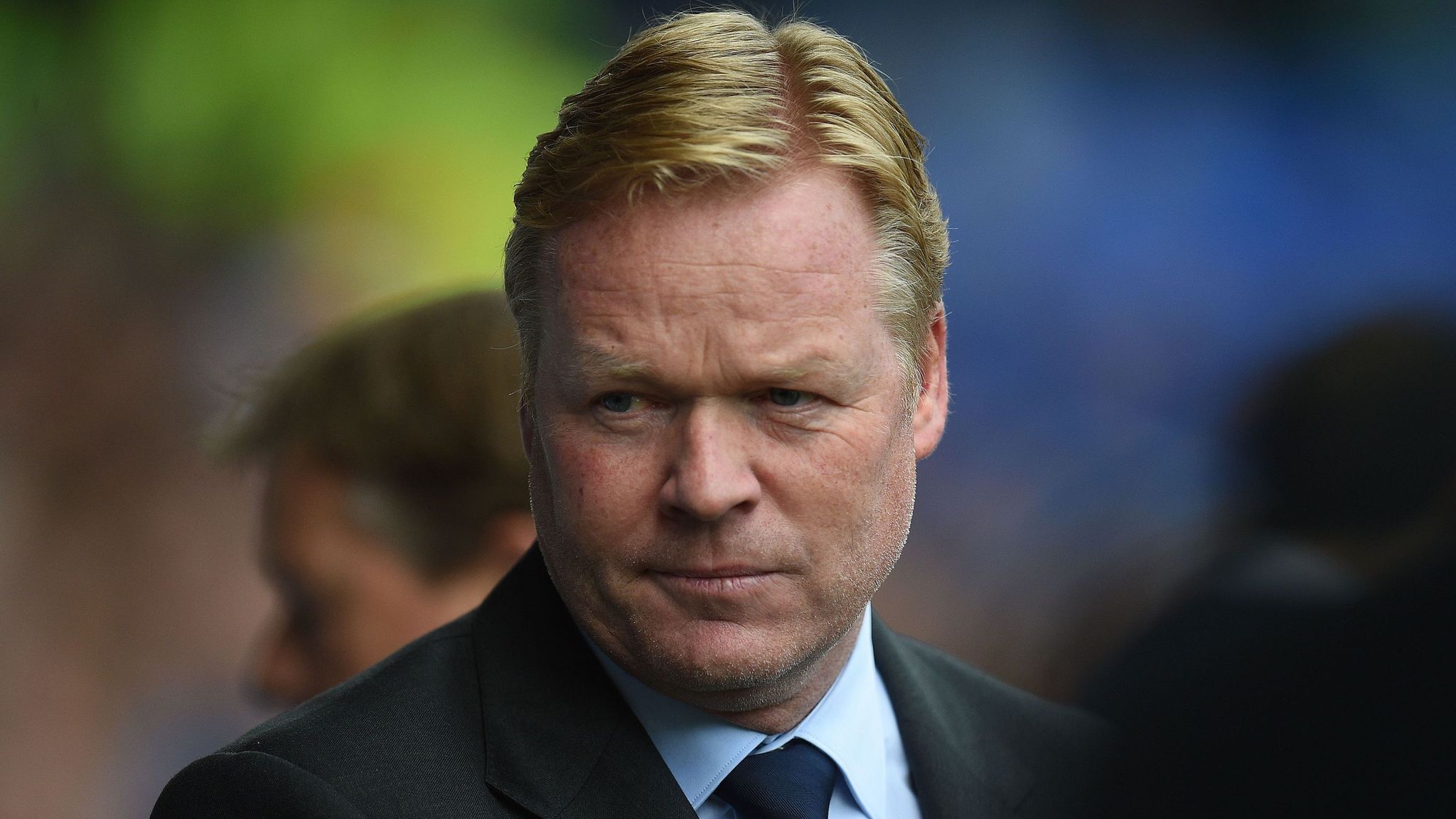
The Netherlands, under the leadership of coach Ronald Koeman, is gearing up for the World Cup, aiming to enhance the team's performance and overcome the challenges posed by the current playing style. Koeman's strategy emphasizes fast attacking and high pressing, yet this approach may expose defensive vulnerabilities.
Historically, the Netherlands has been known for its distinctive attacking style, but Koeman is struggling to find a balance between defense and offense. Recent matches have revealed issues in the defensive line, which could negatively impact the team's performance in the tournament.
Details of Koeman's Strategy
Taking over the team in 2020 placed Koeman under immense pressure to achieve success at the World Cup. He has pointed out the necessity of improving coordination among players and developing new strategies to face competing teams. As the tournament approaches, Koeman must make critical decisions regarding the starting lineup and playing style.
The World Cup represents an opportunity for the Netherlands to reclaim its status among elite teams. With a group of talented players, Koeman hopes to achieve positive results that will restore hope among fans. However, the challenges he faces require strategic thinking.
Background & Context
The history of Dutch football is filled with achievements, yet recent years have seen a decline in performance. Koeman aims to rebuild the team and achieve success in the World Cup, a challenge that necessitates focusing on player development and enhancing collective performance.
As the tournament draws near, the pressure mounts on Koeman to deliver results that will not only satisfy fans but also restore the team's reputation on the international stage. The balance between maintaining the traditional Dutch style and adapting to modern football trends is crucial.
Impact & Consequences
If Koeman fails to address the weaknesses, it could adversely affect the Netherlands' journey in the tournament, increasing pressure on both the coach and players. Conversely, if Koeman succeeds in improving the team's performance, it could restore confidence among fans and enhance the Netherlands' chances of competing for the title.
The implications of these challenges extend beyond the World Cup, influencing the future direction of Dutch football. A successful campaign could lead to renewed investment in youth development and a resurgence of the Dutch football philosophy.
Regional Significance
The challenges faced by Koeman are significant not just for the Netherlands but for the entire region, as the performance of national teams often reflects the health of football in that area. A strong showing at the World Cup could inspire neighboring countries and elevate the overall standard of football.
In conclusion, the upcoming World Cup is a pivotal moment for the Netherlands. Koeman's ability to navigate these challenges will not only determine the team's success in the tournament but also shape the future of Dutch football.