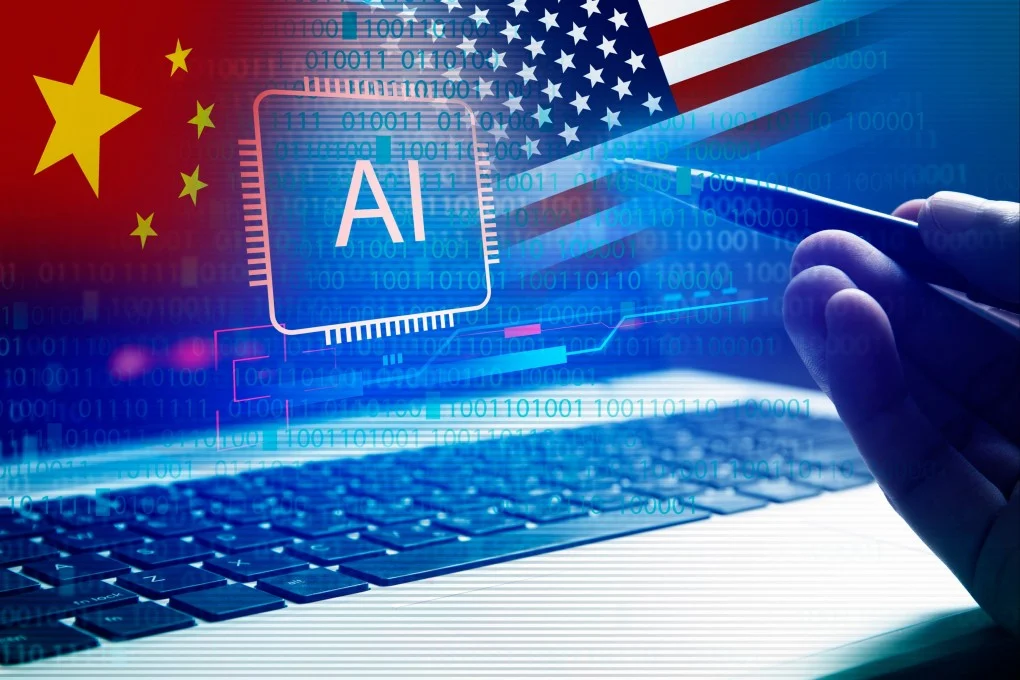
Zach Kass, the former marketing strategy head at OpenAI, reported that the traditional corporate culture in China is obstructing the progress of Chinese companies in the field of artificial intelligence, leaving them behind their counterparts in the United States. He noted that consumers in China, who are highly adaptable to technology, are adopting AI technologies much faster than companies.
In an interview with the South China Morning Post, Kass explained that the gap between Chinese and American companies in this field is due to differences in corporate culture. While American companies enjoy a work environment that encourages innovation and experimentation, Chinese companies often follow traditional structures that hinder quick decision-making.
Details of the Situation
The pace of AI adoption in China is accelerating, with consumers increasingly turning to smart assistants and AI-based applications. However, companies still face significant challenges in integrating these technologies into their operations. Kass pointed out that the gap between consumers and companies reflects a fundamental difference in how each engages with technology.
According to Kass, American companies have a greater ability to adapt to technological innovations, as they embrace a corporate culture that supports experimentation and accepts failure as part of the learning process. In contrast, Chinese companies suffer from bureaucratic structures that make it difficult for them to make swift decisions regarding the adoption of new technologies.
Background & Context
Historically, China has sought to enhance its technological capabilities through massive investments in research and development. However, cultural challenges persist, as many companies prefer to follow traditional business models. This trend contrasts with global trends that are witnessing a shift towards rapid innovation.
In recent years, China has shown remarkable progress in areas such as machine learning and computer vision, but this advancement has not fully translated into corporate levels. While consumers are adopting these technologies, companies remain hesitant to take bold steps towards innovation.
Impact & Consequences
This gap in AI adoption affects the ability of Chinese companies to compete in the global market. If companies continue to follow traditional corporate cultures, they may miss significant opportunities to leverage technological innovations that could enhance their efficiency and expand their operations.
Moreover, delays in adopting AI could impact China's economic growth, as innovations in this field are considered a major driver of growth in many industries. Therefore, Chinese companies must reevaluate their cultural and operational strategies to accelerate the adoption process.
Regional Significance
In light of the global trend towards artificial intelligence, Arab countries should learn from the experiences of both China and the United States. Arab nations can foster a culture of innovation within their institutions to accelerate the adoption of modern technologies. Additionally, collaboration with Chinese companies could provide new opportunities for knowledge and expertise exchange in this field.
In conclusion, artificial intelligence represents a significant opportunity for growth and development, but it requires a fundamental shift in corporate culture to fully capitalize on these opportunities.