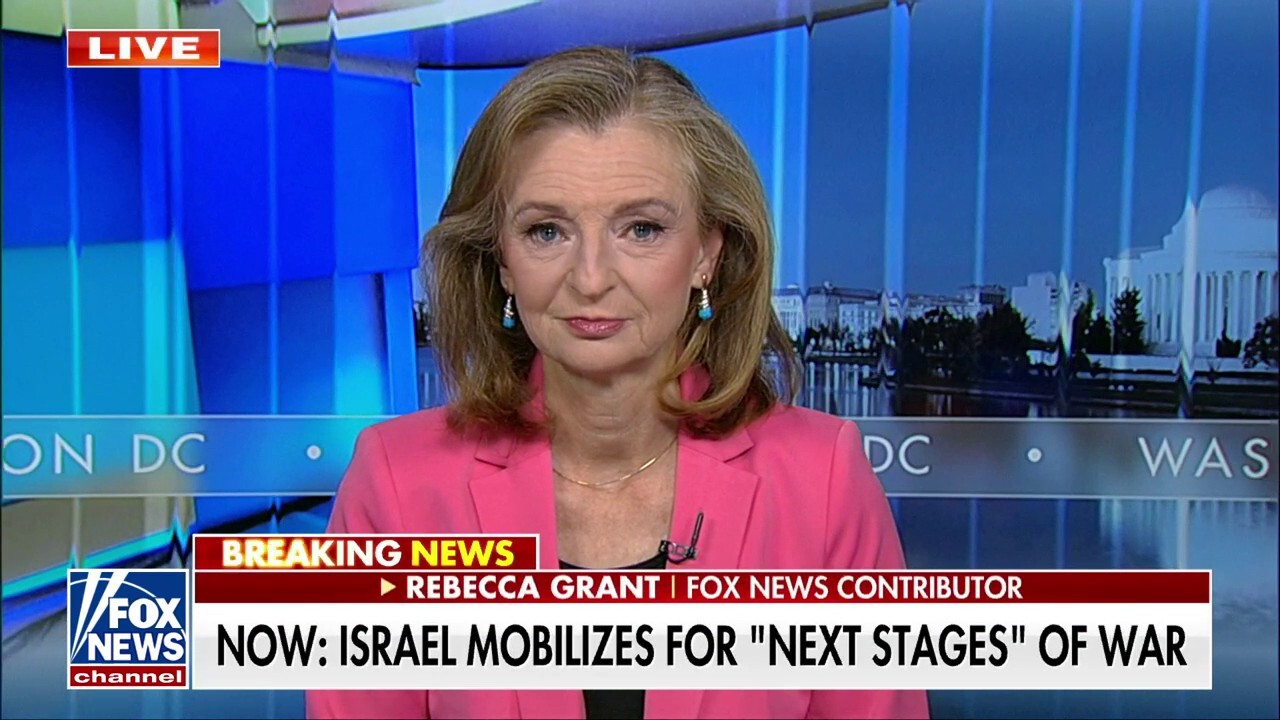
Companies around the globe are experiencing a rising state of economic uncertainty as a result of the ongoing military conflict with Iran. Rebecca Homkes, a lecturer at the London Business School, asserts that this situation poses a greater challenge than traditional economic recessions. Homkes pointed out that executive leaders find it difficult to make strategic decisions amid ambiguity regarding potential economic consequences, which could change drastically at any moment.
In her remarks, Homkes explained that economic recessions come with a set of clear signals that can help guide decisions, whereas in the case of war, matters remain uncertain. The war could end at any time, but no one can predict the economic repercussions that would follow, complicating the decision-making process.
Event Details
The war with Iran continues to impact global markets, with rising political and military tensions leading to significant fluctuations in oil and commodity prices. These conditions make it challenging for companies to plan for the future, as circumstances can change suddenly.
This state of uncertainty presents a significant challenge for executives, who need flexible and adaptable strategies. While a recession may provide some clear signals on how to act, war creates a chaotic situation that is difficult to predict.
Background & Context
Historically, the region has witnessed numerous military conflicts that have significantly affected the global economy. The conflict with Iran is not new, but it has been escalating increasingly in recent years, raising concerns in financial markets. Under these circumstances, companies need to reassess their strategies to face new challenges.
The current situation requires companies to be more innovative and flexible, as reliance on traditional business models may not suffice in changing conditions. Leaders must think about how to adapt to these rapid changes.
Impact & Consequences
The state of uncertainty affects all economic sectors, from energy to technology. Companies that rely on global supply chains face additional challenges, as any changes in the military situation could disrupt business operations.
Moreover, investors are hesitant to make significant investment decisions, leading to a decline in new investments. This hesitation can impact long-term economic growth, as investments are a key driver of growth.
Regional Significance
Arab countries neighboring Iran find themselves in a sensitive position, as any escalation in the conflict could affect their economic and political stability. These countries need to take proactive steps to protect their economies from the repercussions of war.
At the same time, these conditions could provide an opportunity for Arab nations to enhance economic cooperation among themselves, helping to reduce reliance on Western markets. This cooperation could be an effective solution to address the economic challenges arising from the conflict.
In conclusion, the current situation requires companies and executive leaders to think strategically and flexibly to face new challenges. Understanding the potential consequences of the war with Iran can aid in making better decisions in the future.