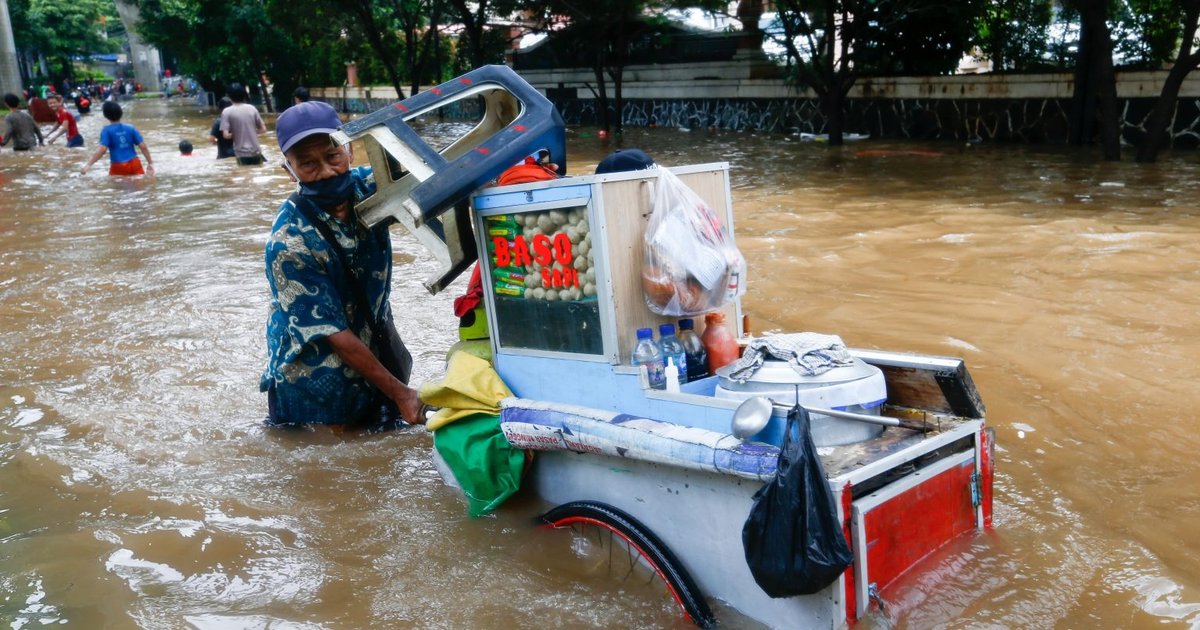
Flood and waste management issues dominated the agenda of the development planning conference (Musrenbang) held in West Jakarta on Thursday. The city’s mayor, In Muthmainah, stressed the importance of urgently addressing these issues, noting that flooding remains a significant challenge for the city until 2026.
In this context, a set of priority programs was announced aimed at improving the current situation, with proposals for projects such as upgrading water pumping stations and constructing barriers in specific areas. The mayor explained that "the first program we will work on is flood management, where we intend to upgrade the Karina Sayang pumping station and build barriers at 39 flood-prone points."
Event Details
West Jakarta aims to tackle the flooding issue through a series of measures, including renewing water infrastructure. The mayor pointed out that the city faces significant challenges in waste management, producing approximately 807,966 tons of waste annually, while only 212,450 tons are processed, meaning that only 25% of waste is effectively managed.
Aiming for ambitious waste management goals, the target is to process 70% of waste at the source, leaving only 30% as unusable waste. Improving the performance of waste stations and managing waste banks has been proposed as part of this strategy.
Background & Context
Historically, Jakarta has suffered from flooding issues due to rapid urban expansion and climate change. These factors have exacerbated flooding severity in the city, negatively impacting residents' lives and the local economy. In recent years, waste issues have also become an increasing concern, with significant rises in production levels.
The local government seeks to improve living conditions through sustainable development programs, as these efforts are part of a broader vision to enhance the quality of life in the city. Cooperation between the government and civil society is essential to achieve the desired goals.
Impact & Consequences
Addressing flooding and waste issues is vital not only for improving local conditions but also for enhancing environmental sustainability. Collaboration among various stakeholders can contribute to achieving positive long-term outcomes. Success in these programs could serve as a model for other cities facing similar challenges.
West Jakarta aims to become a model in managing environmental crises, potentially encouraging other cities in the region to take similar steps. Improving waste and flood management can enhance the local economy and attract investments.
Regional Significance
Many Arab cities face similar challenges related to flooding and waste management. The experiences of West Jakarta may provide valuable lessons for Arab countries dealing with similar environmental issues. Cooperation between governments and local communities can facilitate knowledge and experience sharing, enhancing these cities' capacity to confront environmental challenges.
In conclusion, the development planning conference in West Jakarta represents an important step towards addressing pressing environmental issues. Collaboration between the government and civil society will be key to achieving the desired objectives.