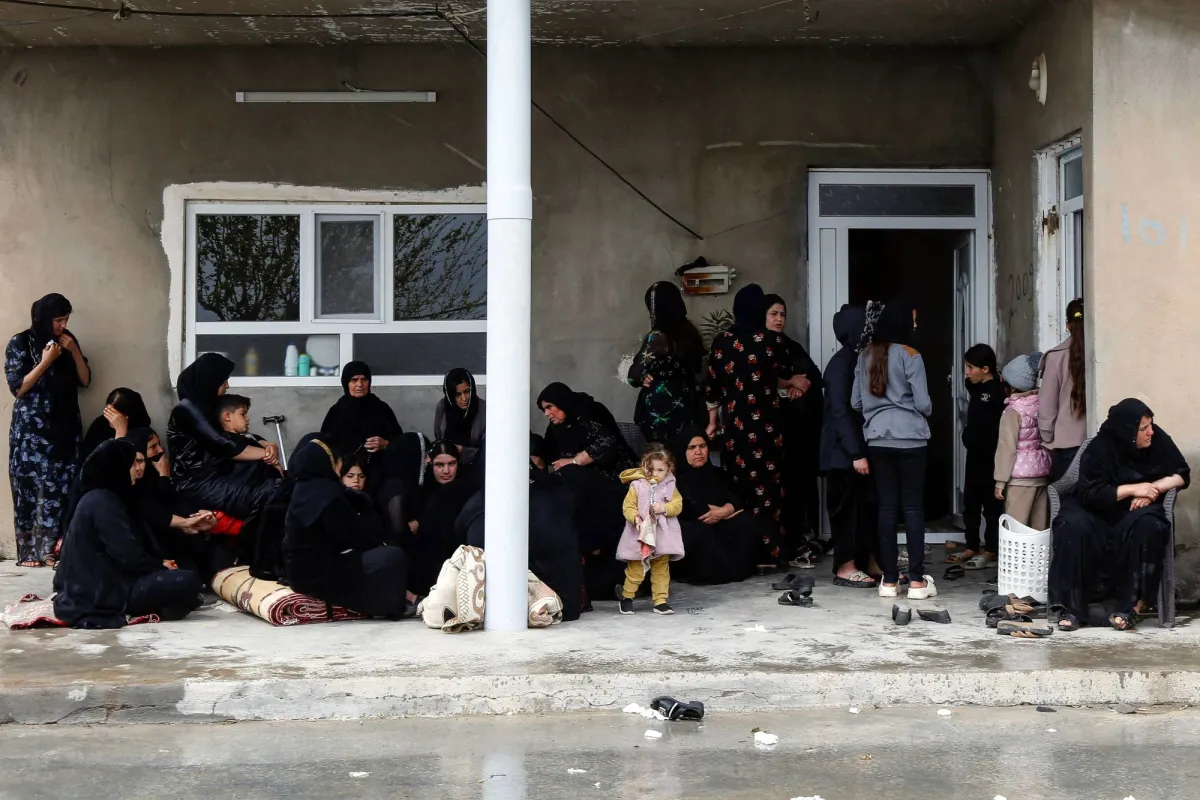
The ruling coalition in Iraq is showing a clear inability to confront the increasing security challenges, as the Kurdistan region is subjected to repeated attacks by armed factions, while U.S. forces continue to target security headquarters in the country. This situation raises questions about the Iraqi government's capacity to safeguard its citizens and ensure the country's stability.
This security shortfall coincides with the failure to form a new government, despite more than five months having passed since the general elections. This reflects a state of political confusion in Iraq, where political forces are content to issue condemnation statements without taking effective steps to resolve the ongoing crises.
Details of the Incident
The forces of the "Coordination Framework" held their regular meeting to discuss the security situation, where they condemned the attacks on Iran and the targeting of security forces in Iraq, yet they ignored the ongoing assaults on the Kurdistan region. Observers noted that this neglect reflects the significant influence of armed factions within the ruling coalition.
In recent days, the Kurdish Peshmerga forces announced that they were subjected to drone attacks, resulting in the death of one of their members and his wife. These attacks come at a sensitive time, as the region suffers from a continuous escalation of assaults that have exceeded 600 attacks, according to some statistics.
Background & Context
Historically, Iraq has witnessed multiple conflicts among armed factions, exacerbating security conditions. The armed factions, which hold significant influence, exploit the political and security weakness to intensify their attacks, further increasing the suffering of citizens in the affected areas.
Kurdistan is considered a strategic region in Iraq, enjoying autonomy, but the repeated attacks threaten its stability and security. Kurdish officials have indicated that the Iraqi government must take responsibility for protecting the region from these assaults.
Impact & Consequences
These events directly affect security and stability in Iraq, contributing to the exacerbation of economic and political crises. Furthermore, the continued attacks on Kurdistan could escalate the conflict between armed factions and the government, increasing instability in the country.
These conditions are likely to worsen humanitarian crises in the affected areas, as residents suffer from the consequences of ongoing attacks, necessitating urgent intervention from the Iraqi government and the international community.
Regional Significance
The security situation in Iraq has significant implications for the Arab region, as it could lead to heightened tensions in neighboring countries. Additionally, armed factions may exploit these circumstances to expand their influence in the region, complicating the security landscape further.
In conclusion, the current situation in Iraq requires an urgent response from the government and the ruling coalition to ensure the country's stability and protect citizens from increasing threats.