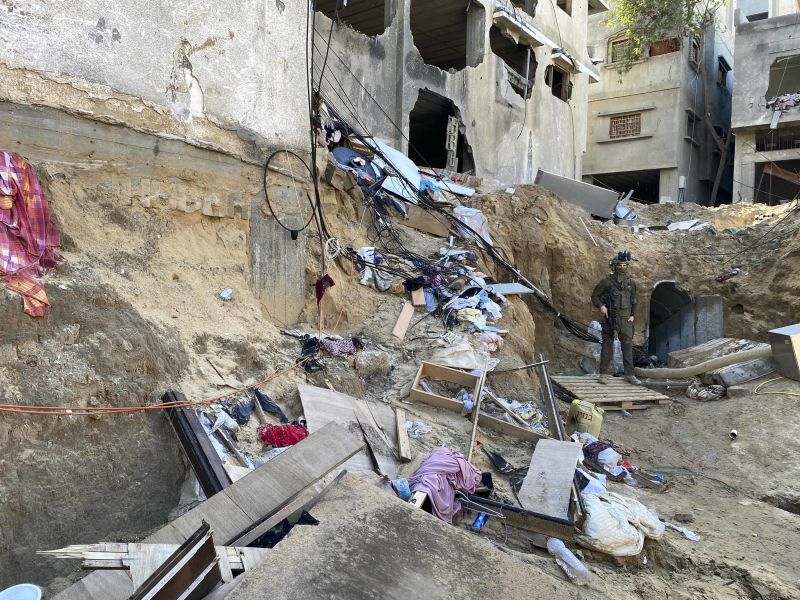
Israeli underground hospitals are facing increasing health risks, lacking the necessary resources to combat the spread of epidemics and infectious diseases. These conditions raise concerns about the safety of patients and workers in these facilities.
These hospitals, considered part of the Israeli healthcare infrastructure, are mostly located in parking garages, raising questions about safety and sanitation standards. Under these circumstances, healthcare workers face significant challenges in providing necessary medical care, increasing the risks of infectious disease outbreaks.
Details of the Situation
Reports about the health conditions in Israeli underground hospitals are on the rise, with an increase in cases of infections and infectious diseases. These hospitals, established as part of emergency strategies, suffer from a lack of medical equipment and human resources, hindering their ability to handle epidemics.
Studies indicate that these health facilities are experiencing environmental contamination, which increases the likelihood of disease outbreaks. As the number of patients rises, there is an urgent need to improve health conditions in these hospitals.
Background & Context
Many Israeli underground hospitals were established as part of emergency strategies, particularly in light of security tensions in the region. However, these facilities were not designed to meet regular healthcare needs, exacerbating health conditions within them.
Historically, Israeli hospitals relied on traditional infrastructure, but ongoing tensions in the region have pushed them to seek alternative solutions. However, these solutions have proven insufficient to address the growing health challenges.
Impact & Consequences
The health conditions in Israeli underground hospitals affect the entire healthcare system. With the spread of infectious diseases, pressures may increase on other hospitals, leading to a deterioration of health services overall.
These conditions may also impact public trust in the healthcare system, potentially driving citizens to seek alternatives, whether inside or outside of Israel. This could exacerbate health crises in the future.
Regional Significance
The health conditions in Israeli underground hospitals serve as an indicator of the challenges facing health systems in the region. Under current circumstances, neighboring countries may also be affected, especially if any epidemic spreads from these hospitals across borders.
Arab countries are striving to strengthen their health systems, but health crises in Israel could hinder these efforts, necessitating regional cooperation to address shared challenges.
In conclusion, the health conditions in Israeli underground hospitals highlight the urgent need for improvements in health infrastructure. Authorities must take immediate action to ensure the safety of patients and workers and to prevent the spread of infectious diseases.